
A Jewel of Granada: Unveiling the Secrets of Casa de los Tiros
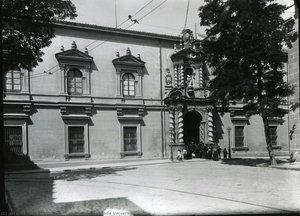
Nestled within the heart of Granada’s historic Realejo district, the Museo Casa de los Tiros stands as a breathtaking testament to centuries of Spanish history and artistic evolution. More than just a museum, it's a meticulously preserved palace—a vibrant echo of the Nasrid Emirate, the Catholic Monarchs, and the enduring spirit of this captivating city. Originally conceived as a fortified residence for the influential Granada-Venegas family, its transformation into a public institution in 1921 has ensured that its remarkable story continues to unfold, offering visitors an immersive journey through time.
The building’s very name—Casa de los Tiros—hints at its layered past. Derived from the defensive “tiros” (shots) or battlements adorning its façade, it speaks to a strategic location within Granada's defensive walls. This imposing exterior, crafted in the distinctive style of 16th-century palaces, immediately captivates with its intricate detailing – a symphony of sculpted figures depicting classical gods and heroes, each rendered with remarkable precision. Look closely at the bronze knockers beneath the main entrance; each bears a unique inscription, whispering tales of family legacy and tradition. The architectural elements themselves—the robust stone walls, the arched windows, and the carefully positioned turrets—speak to a deliberate design intended to project both power and elegance.
A Kaleidoscope of Artistic Treasures
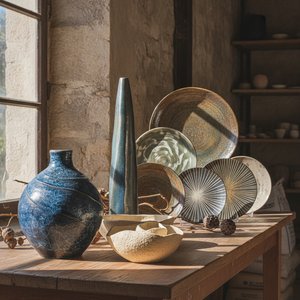
Within Casa de los Tiros’s walls lies a remarkably diverse collection that showcases Granada's artistic heritage across several centuries. The museum is particularly renowned for its extraordinary Fajalauza ceramics, a vibrant tradition unique to the region. These intricately painted tiles and decorative objects—bursting with rich blues, greens, and yellows—once adorned the palaces and mosques of Granada, reflecting the city’s status as a center of Islamic art and culture. The “Golden Room,” or Sala Dorada, is undoubtedly the museum's centerpiece. Here, lavish gold leaf accents shimmer against walls covered in exquisite frescoes, showcasing a remarkable array of Renaissance paintings and sculptures. Among these treasures are portraits of Spanish royalty—a tangible link to Granada’s role as a vital political hub—and impressive Hercules statues, symbolizing strength and heroism drawn from classical mythology.
Beyond the grand displays, smaller but equally compelling collections reveal fascinating details about daily life in Granada. The museum houses a remarkable collection of documents offering insights into the city's history, including royal decrees, legal records, and personal letters. Furthermore, the museum’s commitment to preserving local traditions is evident through its exhibits on crafts, costumes, and musical instruments—a testament to Granada’s rich cultural tapestry. Don’t miss the opportunity to admire the intricate craftsmanship of the wooden furniture and decorative elements that adorn the rooms, each reflecting the evolving tastes and styles of the families who once resided within these walls.
A Legacy of Washington Irving and Baltasar Duran
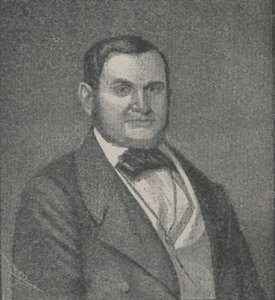
Casa de los Tiros holds a special place in American literary history as the inspiration for Washington Irving’s “Tales of the Alhambra,” published in 1834. The author, captivated by Granada's beauty and mystique during his travels, drew heavily on the palace’s atmosphere and architecture to create some of his most enduring stories. The museum thoughtfully commemorates this connection through dedicated exhibits that explore Irving’s experiences and the impact of Granada on his work.
Furthermore, the museum pays homage to Baltasar Duran, a prominent figure in Granada's artistic and intellectual circles during the 16th century. Special exhibitions devoted to Duran provide deeper insights into the region’s cultural heritage, highlighting his contributions as an architect, sculptor, and painter. His influence can be seen throughout Casa de los Tiros, particularly in the intricate details of its decorative elements.
Unique Experiences & Accessibility
Casa de los Tiros offers a truly unique experience for visitors—one that seamlessly blends history, art, and culture. Interactive displays engage audiences of all ages, while guided tours provide valuable context and insights into the palace’s rich past. Notably, admission is free for EU citizens, making this cultural gem accessible to a wide range of visitors. The museum's commitment to preserving its heritage extends beyond mere display; it actively seeks to educate and inspire future generations through ongoing research, exhibitions, and educational programs.
For those seeking further exploration, consider combining your visit with a stroll through the Los Adarves Gardens, part of the Alhambra complex, or delving into the captivating photography of José García Ayola and Juan Laurent Minier, both Granada artists who captured the city’s essence in their works. Casa de los Tiros is more than just a museum; it's a portal to Granada’s vibrant past—a place where history comes alive.