

A Sanctuary of Light: The Soul of Giverny
Nestled within the verdant embrace of Normandy, where the air seems perpetually infused with the soft glow of a summer afternoon, lies the Musée des impressionnismes Giverny . This is not merely a repository for canvas and pigment; it is a living, breathing extension of the landscape that once captivated Claude Monet. To step into this museum is to enter a realm where the boundaries between art and nature dissolve, echoing the very revolutionary spirit that birthed Impressionism. The institution serves as a profound testament to a moment in history when painters abandoned the rigid shadows of academic tradition to chase the ephemeral dance of light across water and meadow. For the art lover, it offers a pilgrimage; for the collector, a deep dive into the roots of modern aesthetics; and for the interior designer, an endless source of inspiration drawn from the harmonious palettes of the French countryside.
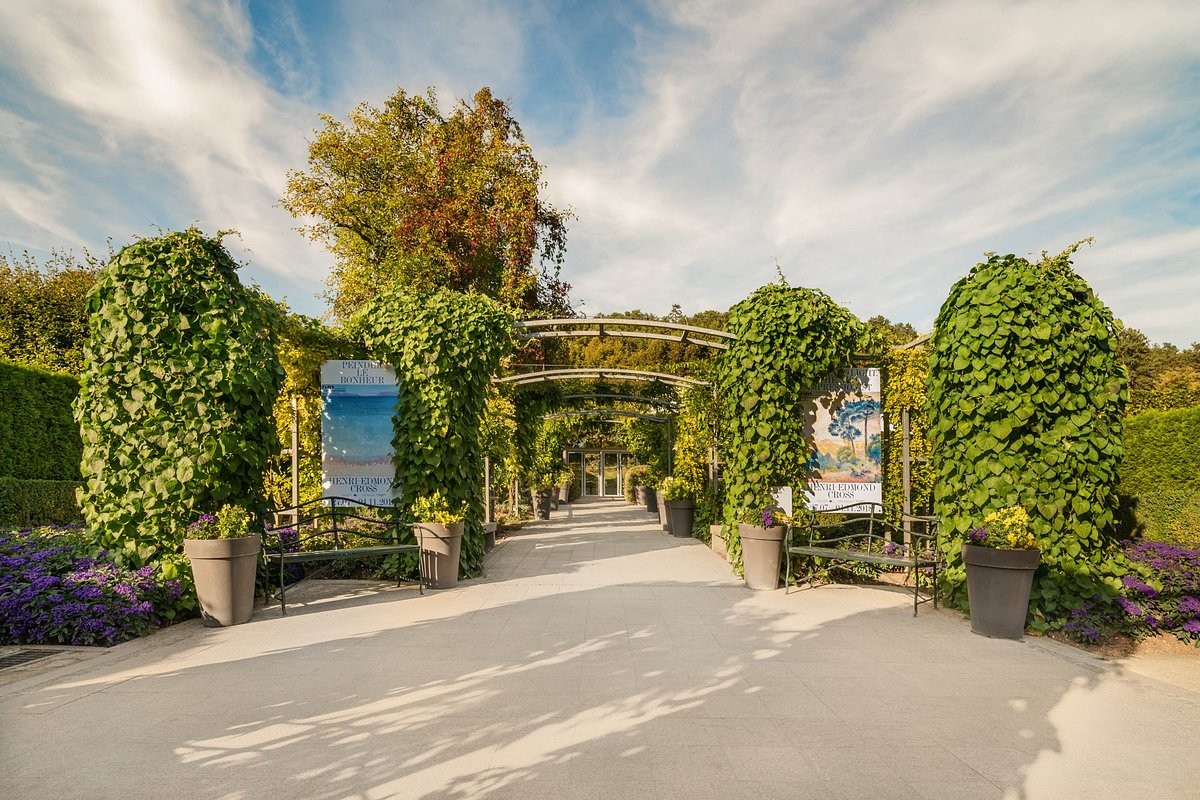
The museum’s architectural identity is a masterclass in understated elegance, designed to mirror the tranquility of its surroundings. Eschewing the imposing, heavy structures of classical galleries, the building prioritizes natural light and open, airy spaces that invite the outside world in. Large, strategically placed windows act as living frames, capturing picturesque views of the lush gardens and blurring the distinction between the curated interior and the wild beauty of Giverny. This seamless integration creates a serene atmosphere where the viewer can experience the works in a state of contemplative calm, much like the Impressionists themselves sought to capture the fleeting essence of a single moment.
A Tapestry of Impressionist Legacies
While the shadow of Monet looms large and magnificent over Giverny, the museum’s collection is far more expansive than a singular tribute. It meticulously weaves a narrative of a movement that was as diverse as it was transformative. Visitors can wander through a curated selection of works by Monet’s most celebrated contemporaries—including Sisley, Renoir, Pissarro, and Degas —each offering a unique perspective on the interplay of color and atmosphere. The museum also illuminates the fascinating "transatlantic exchange" that occurred during this era, showcasing how American artists like Frederick Carl Friesecke and Richard E. Miller were drawn to the charm of Normandy, bringing with them a style often referred to as Decorative Impressionism . This blend of vibrant color and elegant composition provides a rich, multi-layered history of how a local French phenomenon became a global artistic language.
The curatorial vision extends beyond the brushstroke, exploring the ripple effects of Impressionism on sculpture, decorative arts, and even modern design. The museum frequently hosts groundbreaking exhibitions that contextualize these masterpieces within the broader evolution of art history. For instance, recent and upcoming showcases, such as Monet in Giverny: Before the Water Lilies , allow enthusiasts to trace the artist's stylistic journey from his early landscapes to his late, immersive explorations of aquatic light. This dedication to both historical depth and contemporary relevance ensures that the museum remains a dynamic cultural hub, offering lectures, workshops, and programs that breathe new life into the classics for every new generation of admirers.
An Immersive Journey Through Color and Time
What truly distinguishes the Musée des impressionnismes Giverny is its profound sense of place. It sits just meters away from Monet’s own house and gardens, allowing a visitor to trace the very origins of an idea from the canvas back to the soil. This proximity creates a unique sensory loop: one can observe a painting of a water lily and then walk mere steps to see the real thing shimmering in the sunlight. For those seeking to understand the heartbeat of Impressionism, there is no more potent experience. It is a destination where history is not just studied but felt—a place where the fleeting effects of light, color, and emotion converge to leave an indelible impression on the soul.