

A Voyage into the Soul of Normandy: The MuMa Le Havre
To step into the Musée des Beaux-Arts in Le Havre, known affectionately as MuMa, is to embark on a sensory journey that transcends the mere viewing of canvases; it is an immersion into the very essence of the Norman identity. Deeply intertwined with the rhythmic pulse of the sea, this museum complex serves as more than a repository for treasures; it is a living dialogue between history, architecture, and the ephemeral beauty of light. The museum was conceived to preserve and celebrate local artistic heritage, yet it has blossomed into an internationally renowned institution that celebrates creativity through the lens of masters. Here, the salt spray of the English Channel seems to linger in the air, as the collection invites visitors to experience a profound connection to the coastal landscape.
At the beating heart of MuMa lies an extraordinary collection of Impressionist painting—a national treasure that captures the fleeting nuances of light and atmosphere. One cannot stand before Claude Monet’s Fécamp, by the Sea without feeling the warmth of a Norman sunset bleeding through the brushstrokes, where fiery hues and delicate shadows dance in perfect harmony. The museum offers a curated path through the evolution of modern vision, featuring the tender sensibilities of Pierre-Auguste Renoir, the atmospheric maritime evocations of Édouard Manet, and the structural brilliance of Camille Pissarro. This collection does not merely document a movement; it captures the very breath of the coast, pulling the observer into a world defined by the shimmering reflections of water and the shifting textures of the shoreline.
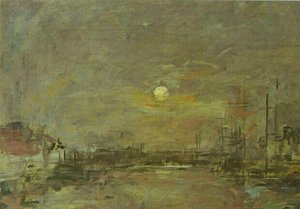
The museum’s narrative is inextricably linked to the maritime history of Le Havre itself. Once a vital hub for triangular trade, the port shaped the city's destiny and provided an endless well of inspiration for generations of artists. This legacy is etched into works that depict the rugged lives of fishermen, the majestic movement of ships, and the industrial vitality of the docks. In pieces such as Pissarro’s Interno del porto, Le Havre - Tramonto, one feels the raw energy of the pier, where waves crash against the stone and sunlight fractures across the moving tide. Even through the devastation of the Second World War, the museum stands as a testament to resilience, mirroring the city's own rebirth from the ashes of conflict into a beacon of cultural hope.
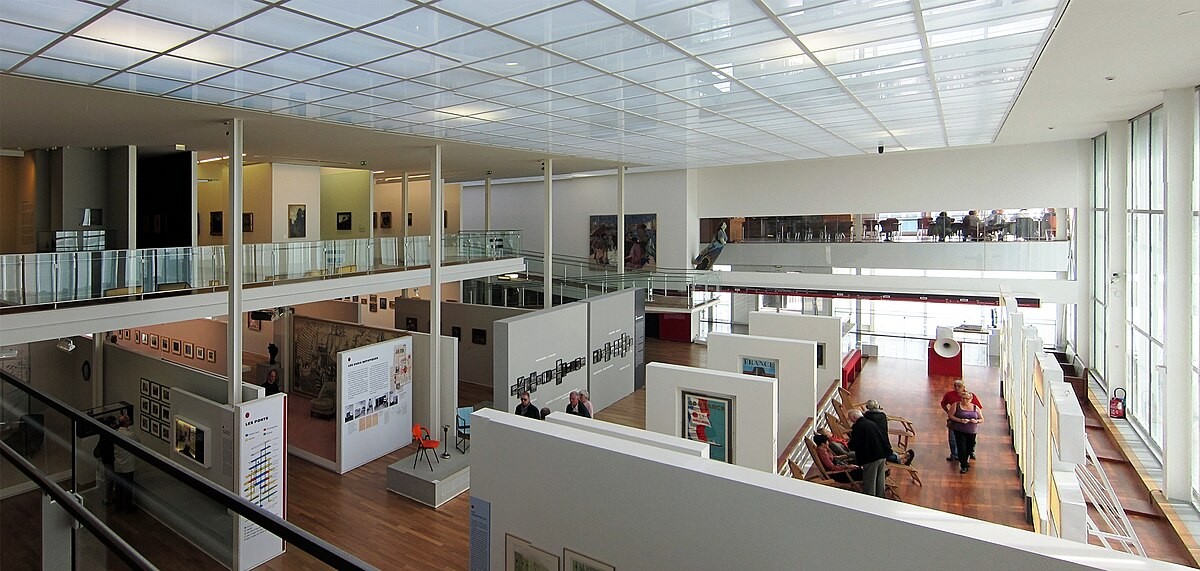
The architectural experience of MuMa is a masterpiece of modern design, harmonizing seamlessly with the natural environment. Designed by the visionary architect André Malraux, the building embodies a philosophy of transparency and light. Massive glass walls dissolve the boundaries between the interior galleries and the sprawling indoor garden, creating a continuous flow that allows the outside world to participate in the art. The deliberate selection of concrete, glass, and wood creates an atmosphere that is both stimulating and intimate, making the structure itself an integral part of the aesthetic experience. As light penetrates the deep recesses of the museum, it breathes life into the artworks, much like the sun illuminating the tides of the nearby sea.
Beyond its permanent treasures, MuMa serves as a vibrant cultural epicenter, constantly evolving through temporary exhibitions that explore the intersections of Impressionism, modernism, and contemporary regional culture. By engaging with global artists and hosting diverse programs—from scholarly conferences to creative workshops and concerts—the museum ensures it remains a dynamic meeting point for enthusiasts and designers alike. It is a place where the past and the present converge, offering an enduring source of inspiration for anyone moved by the profound beauty of the natural world and the human hand that seeks to immortalize it.