
Quick Facts
- Historical periods:
- 19th century
- early medieval
- late medieval
- modern
- renaissance
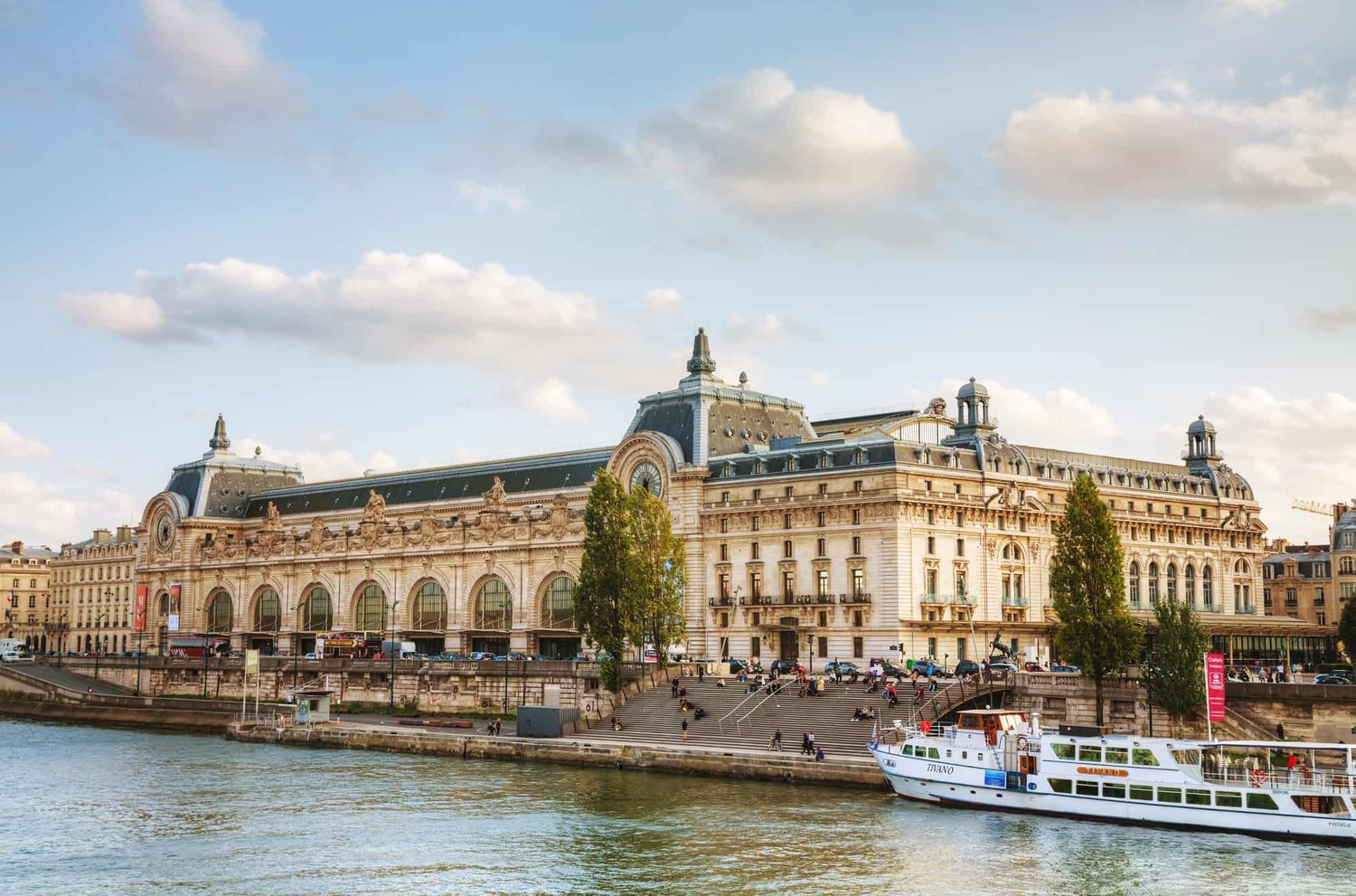
- Location: Paris, France
- Featured artists:
- Camille Pissarro
- Édouard Manet
- henri de toulouse-lautrec
- James Abbott McNeill Whistler
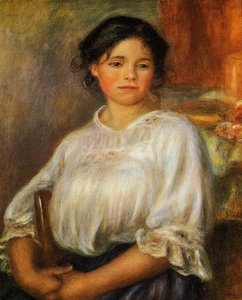
- Pierre-Auguste Renoir
- Mediums:
- acrylic
- acrylic on canvas
- bronze
- clay / terracotta
- gouache
- More…
- Works on APS: 503
- Movements:
- 19th century realism
- academic historical painting
- academic narrative detail
- academic realism
- aestheticism
- Art types:
- other
- sculpture
- wallart
- Alternate names:
- Musée dOrsay
- ORN
- Musée de lOrsay
- Orsay Museum
- Musée National dOrsay
Art Quiz
There is only one correct answer for each question.
Question 1:
In which historical period does the Musée d'Orsay primarily focus its collection?
Question 2:
What was the original purpose of the building that now houses the Musée d'Orsay?
Question 3:
Which artistic movement is most prominently represented in the Musée d'Orsay’s collection?
Question 4:
Who designed the original building of the Musée d'Orsay (Gare d'Orsay)?
Question 5:
Which artist is NOT a key figure prominently featured in the Musée d’Orsay’s collection?
Question 6:
What is a notable architectural feature of the Musée d'Orsay that contributes to its unique atmosphere?
Question 7:
What is the significance of the preserved ticket windows within the Musée d'Orsay?
Question 8:
What is a recent exhibition at Musée d'Orsay focused on?
Question 9:
What is a key characteristic of the Impressionist style that the Musée d'Orsay showcases?
Question 10:
What is one way collectors can draw inspiration from the Musée d'Orsay?
Exhibited Artists

Camille Pissarro
Explore Camille Pissarro's art: Impressionist & Neo-Impressionist landscapes and scenes of daily life. A pivotal figure influencing Van Gogh, Cézanne & more.

Édouard Manet
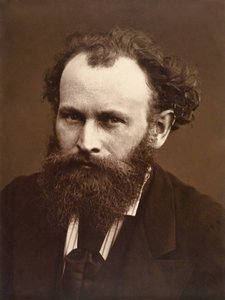
Explore Édouard Manet (1832-1883), a pivotal figure bridging Realism & Impressionism. Discover iconic works like 'Le Déjeuner sur l'herbe' and 'Olympia,' and his lasting impact on modern art.

henri de toulouse-lautrec
Discover Toulouse-Lautrec (1864-1901), Post-Impressionist master of Parisian nightlife! Explore iconic paintings, prints & the bohemian world of Montmartre.
Related Articles

Beyond Light & Color: Impressionism vs. Post-Impressionism for the Discerning Collector
Explore the nuances of Impressionism & Post-Impressionism with . Expert insights for collectors on style, investment, and acquiring museum-quality reproductions.

Post-Impressionism's 10 Defining Masterpieces: Art for Your Home |
Journey through Post-Impressionism's 10 defining masterpieces – Van Gogh, Monet & more. Explore iconic paintings, art history & find museum-quality reproductions for your home at . Discover all masterpieces online!

Beyond Impressionism: Exploring the Emotional Depth of Post-Impressionist Painting
Explore the profound emotional depth & innovative techniques of Post-Impressionism with OriginalUniqueArt. Discover Cézanne, Van Gogh, Gauguin & more – and their lasting impact on modern art.
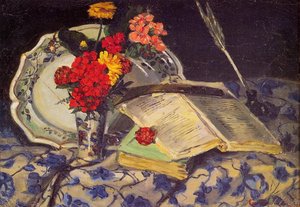
List of Artworks




Subscribe to Our Newsletter
Stay updated with the latest art news, exclusive offers, and decoration ideas.
Get 3 Free Art Suggestions
Tell us about your project and our art experts will provide you with 3 personalized art suggestions.
Not Sure Where to Start?
Let Us Curate 3 Options Just for You - Free!