

A Sanctuary of Swiss Splendor
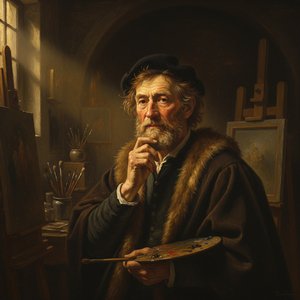
In the beating heart of Geneva, where the whispers of antiquity meet the vibrant pulse of modern culture, stands the Musée d'Art et d'Histoire . This monumental sanctuary is far more than a mere repository for relics; it is a profound dialogue between humanity and the passage of time. To step through its doors is to embark on an evocative journey that transcends centuries, moving seamlessly from the silent, prehistoric echoes of archaeology to the breathing, luminous canvases of the contemporary era. For the art lover and the collector alike, the museum offers an intimate encounter with the masters of light and shadow, most notably Rembrandt , whose works haunt the galleries with their dramatic chiaroscuro. The collection is a breathtaking tapestry woven from three distinct threads: Fine Arts, Archaeology, and Applied Arts, creating a curated experience designed to ignite both intellectual curiosity and emotional resonance.
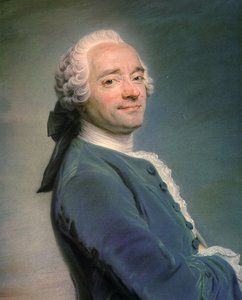
The museum’s true magic lies in its ability to ground global artistic movements within a local, intimate context. One might find themselves captivated by the ethereal landscapes of Jean-Étienne Liotard , a Genevan master who famously brought the delicate light of the Himalayas back to Europe, or standing in silent awe before Konrad Wint ’s monumental The Miraculous Draught of Fishes . This masterpiece from the St. Peter Altarpiece serves as a spiritual anchor for the institution, blending Byzantine iconography with the meticulous, almost surgical precision of the Northern Renaissance. For interior designers and connoisseurs of beauty, the museum provides endless inspiration through its vast array of decorative treasures, including exquisite Byzantine art, medieval weaponry, and luxurious textiles that speak to a legacy of craftsmanship and aesthetic excellence.
Architectural Grandeur and Historical Legacy
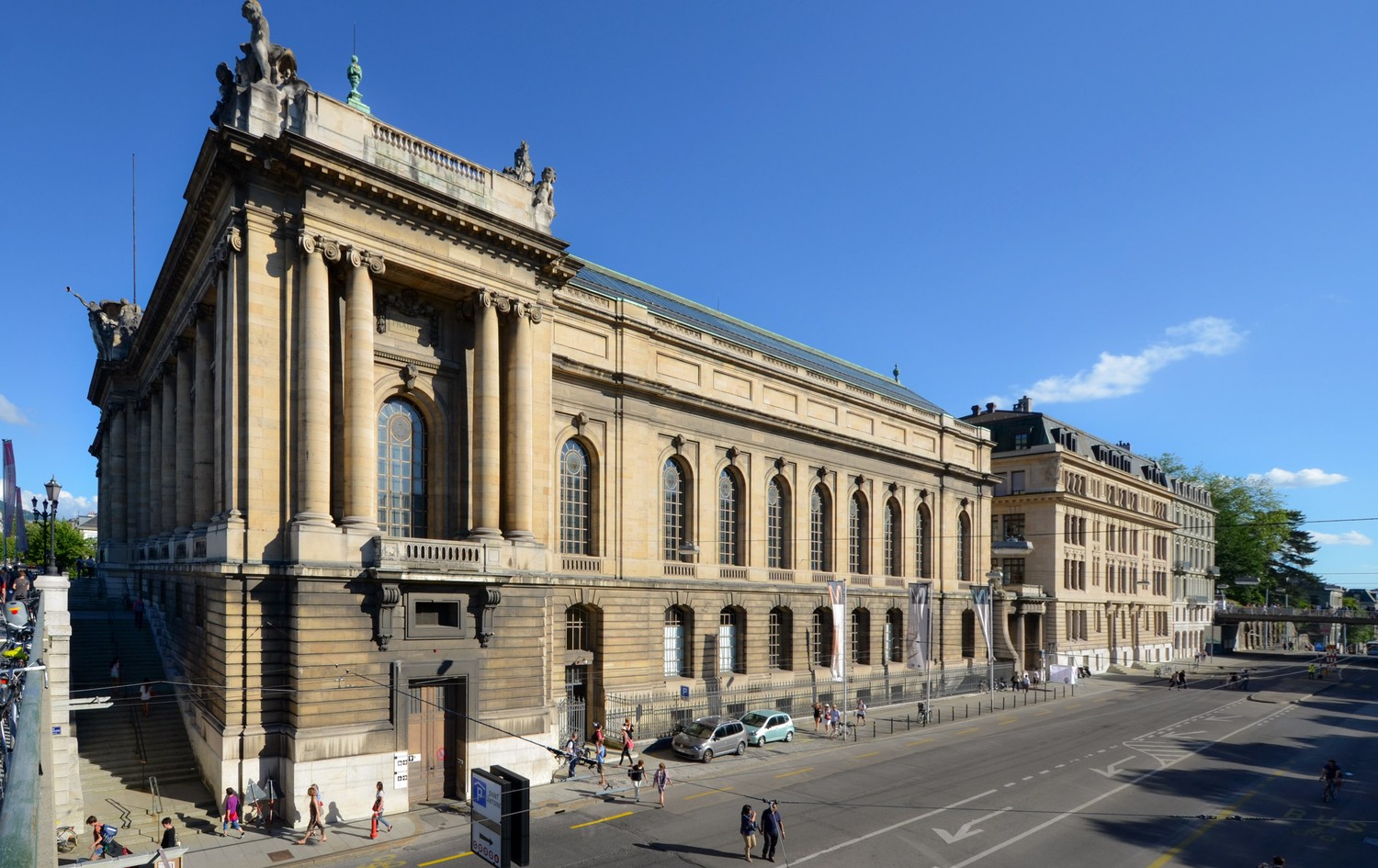
The very structure that houses these treasures is a triumph of the Beaux-Arts style, a testament to the architectural ambition of the early twentieth century. Designed by the renowned architect Marc Camoletti and constructed between 1903 and 1910, the building is a masterpiece of symmetry and grandeur. Its massive square footprint, spanning sixty meters on each side, is centered around a magnificent internal courtyard that breathes light into the heart of the museum. The facade itself acts as a sculptural monument, adorned with statues crafted by Paul Anker that pay homage to the realms of archaeology and applied arts. This architectural splendor is further elevated by a soaring dome, its highest point etched with the names of Geneva’s most celebrated painters, serving as a permanent tribute to the city's artistic soul.
The history of the institution is one of continuous evolution and communal passion. While its roots can be traced back to 1826 with the establishment of the Museum of Byzantine Art, it was the formal unification of various local cultural institutes in 1910 that solidified its status as a premier international reference. Today, the museum stands as a pillar of Swiss heritage, managing a collection that exceeds 650,000 objects. It remains a living institution, constantly innovating through the use of advanced multimedia tools that breathe new life into ancient artifacts. This commitment to accessibility—exemplified by its inclusive "pay what you wish" policy—ensures that the profound beauty held within these walls remains an open window for all, fostering a deep connection between the public and the eternal wonders of human creativity.