Table of Contents
Quick Facts
- Location: Vernon, Canada
- Works on APS: 20
- Movements:
- art nouveau
- barbizon school
- impressionism
- post-impressionism
- Alternate names:
- Musée Blanche Hoschedé-Monet
- musée municipal de Vernon
- Featured artists:
- Theophile Alexandre Steinlen
- Bonheur Marie Rosalie
- Jouanny Paul
Exhibited Artists
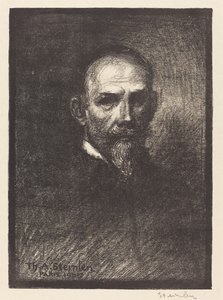
Theophile Alexandre Steinlen
Theophile Alexandre Steinlen: Swiss-French Art Nouveau painter & printmaker famed for his posters, cat illustrations & Parisian scenes. Explore his work!


Bonheur Marie Rosalie
Discover Rosa Bonheur, a celebrated French animalière painter! Known for realistic depictions of animals like 'The Horse Fair,' she was a pioneering female artist.

Jouanny Paul
Discover Paul Jouanny (1854-1932), a French Impressionist painter of Normandy & Seine landscapes. Explore his serene seascapes and plein air style.

Art Quiz
There is only one correct answer for each question.
Question 1:
What is the Musée Alphonse-Georges Poulain primarily known for?
Question 2:
The museum is located in which historic building?
Question 3:
Which artistic movement does the Musée Alphonse-Georges Poulain highlight?
Question 4:
What is a notable aspect of the museum's collection regarding artists?
Question 5:
Why is the Musée Alphonse-Georges Poulain considered a unique destination for art enthusiasts?
Related Articles
Framing Perception: A Comprehensive Guide to Selecting Frames that Enhance Interior Styles and Artwork Value
Elevate your space with expert art framing guidance! Discover how to choose frames that enhance artwork & interior design, protect valuable pieces, and create stunning displays. Trusted advice for designers & collectors.

Enhancing Art with Framing: A Guide to Selection & Aesthetic Integration
Elevate your artwork with expert framing advice. This guide covers styles, materials, preservation techniques & client consultation for stunning results. Enhance value & protect your investment.

F.A.Q.: Acrylic vs. Wood Framing – A Collector's Guide to Timeless Elegance
Explore framing options for your art collection with . Discover the differences between acrylic & wood frames – expert guidance on preservation, style & investment value.
