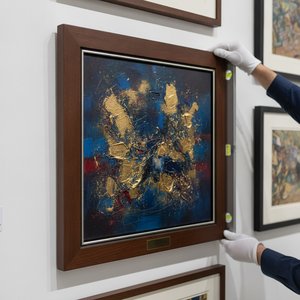
Understanding the Role of Framing in Art Presentation
For freelance decorators, understanding the power of framing extends far beyond simply enclosing a piece of art. It’s about completing the visual narrative, enhancing its impact, and protecting a client's investment. A thoughtfully chosen frame doesn’t just *hold* artwork; it integrates it into the surrounding space, influencing mood, style, and perceived value. As professionals, we recognize that framing is an integral part of the design process, not an afterthought.
The primary functions of a frame are threefold: protection, presentation, and preservation. Protection shields artwork from physical damage and environmental factors like dust and UV light. Presentation draws the eye, sets the tone, and complements the artwork’s aesthetic. Preservation ensures longevity by utilizing archival-quality materials that prevent deterioration.
Frame Styles & Materials: A Comprehensive Overview
The world of frame styles is vast, offering options to suit every taste and artistic expression. Here's a breakdown of common choices:
- Wood Frames: Classic and versatile, wood frames offer warmth and texture. Options range from ornate carved designs to sleek, minimalist profiles. Popular woods include maple, oak, walnut, and cherry.
- Metal Frames: Ideal for contemporary art and photography, metal frames provide a clean, modern look. Aluminum is lightweight and durable, while stainless steel offers a more luxurious feel.
- Acrylic Frames: Often used for posters or prints, acrylic frames offer a sleek, frameless appearance. They are lightweight and shatter-resistant.
- Fabric-Covered Frames: These add texture and softness, often seen in bohemian or eclectic interiors. Linen and silk are common fabric choices.
Material selection impacts both aesthetics and preservation. Archival-quality wood and metal frames are essential for valuable artwork. Consider the weight of the piece when choosing a material; heavier artworks require sturdier frames.
Matching Frames to Artwork & Interior Design Aesthetics
Successful framing requires a keen eye for harmony between the artwork, the frame, and the surrounding interior. Here’s how to approach this:
- Complementary Colors: Choose frame colors that complement or contrast with the dominant hues in the artwork. Neutral frames (black, white, gray) are versatile choices that work well with most styles.
- Style Considerations: Match the frame style to the artwork’s period and aesthetic. A traditional oil painting benefits from an ornate gold leaf frame, while a modern abstract piece might look best in a simple metal frame.
- Interior Harmony: Consider the overall design scheme of the room. The frame should complement the existing furniture, colors, and textures.
- Matting: Matting creates visual breathing room around the artwork, enhancing its impact. Choose mat colors that complement both the artwork and the frame.
Remember: a poorly chosen frame can detract from even the most stunning piece of art.
Preservation & Glazing Options for Long-Term Protection
Protecting your client’s investment is paramount. Proper glazing and mounting techniques are crucial for long-term preservation:
- UV-Protective Glass: Blocks harmful UV rays that can cause fading and discoloration.
- Non-Glare Glass: Reduces reflections, making the artwork easier to view in brightly lit spaces.
- Museum Glass: Offers both UV protection and minimal reflection, providing the highest level of clarity and preservation.
- Acid-Free Matting & Backing Boards: Prevent yellowing and deterioration of the artwork over time.
- Conservation Mounting Techniques: Ensure the artwork is securely mounted without causing damage.
Educate your clients about the benefits of these preservation options, emphasizing that a small investment in quality materials can significantly extend the life of their artwork.
Working with Clients: Consultation & Customization Strategies
Effective client communication is key to successful framing projects. Here’s how to approach consultations:
- Understand Their Vision: Begin by discussing the client's aesthetic preferences, the style of their interior, and the overall mood they want to create.
- Present Options: Show clients a variety of frame styles, materials, and matting options. Use visual aids (samples or digital mockups) to help them visualize the final result.
- Explain Preservation Techniques: Educate clients about the importance of UV protection, acid-free materials, and proper mounting techniques.
- Offer Customization: Provide bespoke framing services that cater to unique needs and preferences. This could include custom frame sizes, colors, or finishes.
Bespoke framing is a valuable service that sets you apart from competitors. By offering personalized solutions and expert guidance, you can build trust with your clients and create stunning results that enhance their spaces for years to come.