A Concrete Dreamscape: The MAXXI and the Architecture of a New Era
Nestled in the heart of Rome's Flaminio district, the MAXXI National Museum of XXI Century Arts isn’t merely a building; it’s an experience. Designed by the visionary Zaha Hadid, this architectural marvel stands as a bold declaration of contemporary art and design, a testament to the dynamism of the 21st century. The museum's very existence feels like a deliberate challenge to the classical grandeur that defines so much of Rome – a purposeful intrusion of sleek lines, flowing forms, and an almost unsettling sense of movement into a city steeped in millennia of history. Constructed on the site of the former Caserma Montello barracks, the MAXXI cleverly integrates remnants of its predecessor, creating a dialogue between past and future, solidity and fluidity. The building’s exterior is dominated by a series of interconnected volumes, clad in polished concrete that seems to ripple and shift with the light, giving the impression of liquid architecture. This deliberate disruption of traditional forms immediately captivates the visitor, setting the stage for an exploration of art that similarly defies convention.
The museum’s design is deeply rooted in Hadid's signature style – a masterful blend of parametricism and sculptural expression. Her approach to space is profoundly experiential; hallways twist and turn, creating unexpected vistas and encouraging visitors to lose themselves within the building’s complex geometry. The use of light is particularly striking, with strategically placed skylights and internal illumination highlighting the textures and forms of the concrete surfaces. This interplay between light and shadow adds another layer of visual richness, transforming the museum into a constantly evolving work of art in itself. The integration of the original barracks structure – including its imposing façade and historic courtyard – is a brilliant stroke, anchoring the contemporary design within the context of Rome’s rich past while simultaneously pushing the boundaries of architectural possibility.
A Collection Reflecting the Century's Pulse
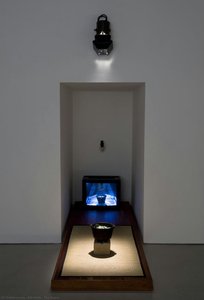
MAXXI isn’t simply about showcasing beautiful objects; it’s a curated exploration of art and architecture produced since the turn of the millennium. The museum is divided into two distinct wings: “MAXXI Art,” dedicated to contemporary visual arts, and “MAXXI Architecture,” which celebrates the evolution of architectural design in the 21st century. Within MAXXI Art, you’ll encounter a diverse range of media – painting, sculpture, installation art, video art, photography, and digital art – reflecting a global perspective on the challenges and possibilities of our time. The collection is constantly evolving through acquisitions, commissions, and thematic exhibitions, ensuring that it remains at the forefront of contemporary artistic expression.
“MAXXI Architecture,” in particular, offers a fascinating journey through the innovations shaping the built environment today. The museum’s permanent collection features works by leading architects from around the world, showcasing their diverse approaches to design and sustainability. You'll find models, drawings, photographs, and interactive installations that illuminate the creative process behind these groundbreaking projects. The museum also hosts temporary exhibitions dedicated to specific architectural movements or individual designers, providing deeper insights into the evolution of contemporary architecture.
Echoes of Rome: Hadid’s Inspiration
Hadid's design for MAXXI is not simply a departure from Roman tradition; it’s an intricate conversation with its legacy. As art historian Beth Harris eloquently explains, Hadid drew inspiration from both ancient Roman architecture and the pioneering works of 20th-century artists like Moholy-Nagy. The rhythmic repetition of concrete columns, reminiscent of Bernini's Piazza at Saint Peter's, creates a sense of monumental scale while simultaneously disrupting traditional notions of symmetry and proportion. The museum’s internal spaces, with their flowing curves and interconnected volumes, evoke the fluidity of Roman aqueducts and the dynamism of ancient urban landscapes.
Furthermore, Hadid’s use of translucent materials – particularly the silvery metal flooring – references the transparency and luminosity of Roman mosaics and marble surfaces. The interplay between light and shadow within the museum's interior creates a sense of depth and movement, mirroring the dramatic effects achieved by Roman artists and architects. The integration of the original barracks structure—with its brick walls and exposed beams—provides a grounding element, anchoring the contemporary design within the context of Rome’s rich past.
Beyond the Building: Exhibitions and Events
MAXXI is not a static museum; it's a vibrant cultural hub that hosts a diverse range of exhibitions, events, and educational programs throughout the year. The museum regularly presents temporary exhibitions exploring specific themes or artists, offering visitors new perspectives on contemporary art and architecture. These exhibitions often feature interactive installations, workshops, and lectures, engaging audiences of all ages and backgrounds. The museum also plays host to numerous public events, including concerts, film screenings, and artist talks, further solidifying its role as a vital center for cultural exchange.
The museum’s commitment to innovation extends beyond its exhibitions; it actively seeks out new ways to engage with visitors through digital technologies. Interactive maps, audio guides, and virtual reality experiences provide deeper insights into the collection and architecture, enhancing the visitor's understanding and appreciation of the museum's offerings. MAXXI National Museum of XXI Century Arts is more than just a repository of art; it’s a dynamic space for dialogue, discovery, and creative exploration – a truly unique destination in the heart of Rome.