The Evolving Role of the Art Concierge: From Curator to Lifestyle Architect
 Louis Menotti at semi self service counter, first in Galveston, 1949, from The Corner Stores of Galveston, Galveston County Cultural Arts Council
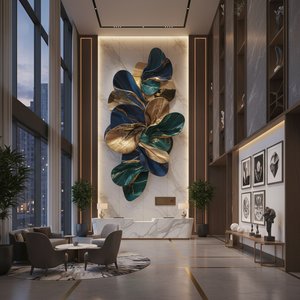
For centuries, the acquisition of art was often a pursuit reserved for the elite—a world shrouded in exclusivity and demanding specialized knowledge. Today, however, a fascinating shift has occurred. The traditional role of the art dealer is evolving, giving way to a more holistic approach embodied by the ‘Art Concierge.’ This isn’t merely about purchasing paintings; it's about crafting environments that resonate with individual narratives, reflecting personal values and aspirations. The modern Art Concierge functions as a lifestyle architect, seamlessly integrating artwork into the fabric of daily life, whether within the intimate setting of a private residence or the dynamic space of a corporate headquarters. They are storytellers, translating abstract desires into tangible visual realities.
The concierge’s expertise extends far beyond aesthetic judgment. It encompasses an understanding of art history, market trends, conservation techniques, and logistical complexities. They act as trusted advisors, guiding clients through the often-intimidating landscape of galleries, auctions, and private sales. But perhaps most importantly, they cultivate a deep rapport with their clientele, discerning not just what someone *likes*, but why—uncovering the emotional connections that truly elevate an artwork from mere decoration to cherished possession.
Decoding Your Aesthetic: The Personal Consultation Process & Vision Boarding
 The Art of Dialogue: Exploring Conversational Themes in Visual Culture
Explore the rich history of conversational themes in art – from Rococo society to contemporary portraits. Discover how artists use dialogue to foster connection and reclaim narratives. Expert insights for collectors.
The foundation of any successful art acquisition lies in a profound understanding of the client’s aesthetic vision. This process begins not with a catalogue or price list, but with conversation. A skilled concierge will initiate an immersive dialogue, exploring influences, passions, and existing collections—or lack thereof. What colors evoke a sense of calm? Which historical periods hold particular fascination? Are there specific themes or motifs that resonate deeply? These aren’t simply superficial inquiries; they are probes into the client's subconscious, revealing the underlying emotional landscape that art should ultimately reflect.
Increasingly, this initial consultation is complemented by ‘vision boarding.’ Clients are encouraged to gather images—from paintings and sculptures to photographs, textiles, and even natural landscapes—that capture their aesthetic sensibilities. This curated collection of visual cues provides invaluable insight into the client’s preferences, allowing the concierge to identify recurring themes, color palettes, and stylistic inclinations. It's a collaborative process, transforming abstract ideas into tangible representations that serve as a guiding compass for future acquisitions.
Navigating the Market Landscape: Galleries, Auctions, and Private Sales – A Comparative Guide
Visual culture is the aspect of culture expressed in visual images. Many academic fields study this subject, including cultural studies, art history, critical theory, philosophy, media studies, Deaf Studies, and anthropology. The field of visual cult...
The art market is a multifaceted ecosystem, offering diverse avenues for acquisition—each with its own unique advantages and inherent risks. Established galleries provide curated selections and expert guidance, often representing emerging artists alongside established masters. However, prices tend to be higher due to overhead costs and gallery commissions. Auctions present opportunities to discover rare or undervalued pieces, but require meticulous research, strategic bidding, and a keen understanding of provenance—the artwork’s documented history of ownership. Private sales, facilitated by dealers or brokers, offer access to exclusive collections and personalized service, but demand a high degree of trust and due diligence.
A discerning concierge possesses an intimate knowledge of this landscape, leveraging their network of contacts and market intelligence to secure the best possible acquisitions for their clients. They understand the nuances of each channel, negotiating prices, verifying authenticity, and ensuring transparent transactions. They are adept at identifying emerging trends, recognizing undervalued artists, and navigating the complexities of international art fairs and exhibitions.
Art as Investment: Building a Collection with Long-Term Value Potential
While aesthetic appreciation remains paramount, the potential for financial return is often a significant consideration for discerning collectors. A well-curated art collection can serve as a tangible asset, appreciating in value over time—particularly when guided by expert insight. However, successful art investment requires more than simply purchasing expensive pieces. It demands a strategic approach, informed by market trends, artist reputation, and historical context.
The concierge’s role is to identify artists with long-term potential, recognizing those whose work resonates with critical acclaim and demonstrates consistent growth. They monitor auction results, track gallery representation, and analyze emerging trends—providing clients with data-driven insights that inform their investment decisions. Furthermore, they understand the importance of provenance, condition reports, and proper storage—factors that significantly impact an artwork’s value.
Beyond Decoration: How Art Enhances Wellbeing in Residential & Commercial Spaces
The impact of art extends far beyond aesthetic appeal; it has a profound effect on our emotional wellbeing. Studies have shown that exposure to art can reduce stress, enhance creativity, and foster a sense of calm—transforming spaces into havens of tranquility and inspiration. In residential environments, artwork can personalize living areas, creating a welcoming atmosphere that reflects the homeowner’s unique personality and values. In corporate settings, strategically selected pieces can boost employee morale, stimulate innovation, and create a positive brand image.
Interestingly, the symbolism inherent in artwork also plays a crucial role. A landscape painting might evoke feelings of serenity and connection to nature, while an abstract piece could inspire contemplation and intellectual curiosity. A skilled concierge understands these psychological effects, curating collections that not only enhance the visual aesthetic but also promote emotional wellbeing.
Installation & Logistics: Ensuring a Seamless Experience from Acquisition to Display
The final stage of the art acquisition process—installation and logistics—is often overlooked but crucial for maximizing impact. A professional concierge will oversee every aspect of this phase, from framing and lighting to placement and arrangement. This includes considering the architectural context of the space, the flow of traffic, and the desired emotional effect. Proper lighting is essential for showcasing artwork’s true colors and textures, while careful placement can create focal points and enhance the overall composition.
- Secure packaging and transportation are paramount, ensuring that artworks arrive safely and undamaged.
- Professional installation ensures proper alignment, stability, and protection from environmental factors.
- Documentation and insurance provide peace of mind, safeguarding the investment for years to come.
At OriginalUniqueArt.com, we are dedicated to providing a seamless art acquisition experience—from initial consultation to final installation. Our team of expert advisors offers personalized guidance, helping you curate collections that reflect your unique style and enhance your living or working environment. Explore our extensive catalogue today and discover the transformative power of art.