The Rise of Narrative Hospitality: Why Art is No Longer Optional
Boutique hotels are small-capacity hotels that provide more personalized service than typical hotels. They typically have fewer than a hundred rooms, and are considered more "trendy" and "intimate", often due to their location in urban areas. They wi...
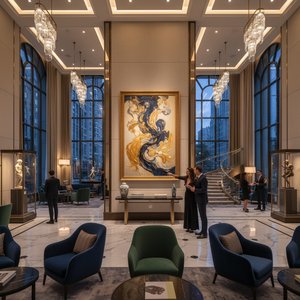
For centuries, the spaces we inhabit have served as canvases for cultural expression, reflecting not merely our aesthetic preferences but also our deepest values and aspirations. In the realm of hospitality, this principle takes on a particularly potent significance. A hotel is more than just a temporary shelter; it’s a curated environment designed to evoke emotion, foster connection, and create lasting memories. Increasingly, discerning travelers seek experiences that are authentic, meaningful, and deeply rooted in the local context. This shift demands a move beyond generic décor towards art collections that actively tell stories – narratives of place, history, and community. The most successful hotels understand this imperative, transforming their walls into windows onto the soul of their destination.
Consider the grand palazzi of Renaissance Florence, adorned with frescoes celebrating civic pride and humanist ideals. Or the opulent interiors of Victorian-era London clubs, showcasing portraits of esteemed members and landscapes evoking imperial power. These spaces weren’t simply decorated; they were deliberately constructed to project a specific identity – one that resonated with their patrons and reinforced their social standing. Today, the challenge lies in achieving this same level of intentionality while embracing a more inclusive and nuanced approach. It's about moving beyond superficial representations of local culture towards genuine engagement with artists, communities, and historical narratives.
The boutique hotel movement, beginning in the 1980s in cities like London, New York, and San Francisco, was pivotal. These smaller establishments recognized that a unique aesthetic could attract a specific clientele – one seeking something beyond the standardized experience offered by larger chains. Early pioneers, such as Blakes Hotel, demonstrated how a strong visual identity could become a defining characteristic, drawing guests in with an atmosphere of curated sophistication.
Defining Your Hotel’s Artistic Identity: Brand Storytelling Through Visual Curation
The selection of artwork is often perceived as a purely aesthetic endeavor, but in reality, it’s a profoundly strategic process. Before embarking on this journey, define your brand elements with clarity: What story do you want to tell? Who is your target audience? And what emotional response are you hoping to evoke? A well-curated collection serves as an extension of your brand identity – a visual manifestation of your core values, target audience, and overall mission. The art should feel thoughtfully assembled, not randomly acquired; each piece contributing to the overall ambiance and emotional response.
Consider the minimalist aesthetic favored by Scandinavian hotels, reflecting values of simplicity, functionality, and natural beauty. Or the vibrant colors and bold patterns found in boutique properties inspired by Latin American culture, evoking energy, passion, and artistic expression. The key is to create a cohesive collection that reinforces your brand message across all touchpoints – from the lobby and guest rooms to the restaurants and public spaces. However, cohesion doesn’t necessarily equate to stylistic uniformity. A truly compelling collection often embraces diversity while maintaining thematic resonance. Shared concepts, color palettes, or historical periods can tie disparate pieces together, creating a dynamic and engaging visual narrative.
Think of Joseph Cornell’s 1971 ‘Hotel de la Mer’ advertisement – a layered, geometric collage blending Art Deco & surrealism. This piece, though small in scale, encapsulates a sense of whimsical escape and nostalgic charm, perfectly embodying the spirit of a boutique travel experience. It's not merely decorative; it *is* the narrative.
Sourcing & Commissioning Artwork: Balancing Established Talent with Emerging Voices
The acquisition of artwork doesn’t have to be daunting. While established artists offer prestige and market value, incorporating works from emerging talents adds originality and supports thriving artistic ecosystems. Art fairs are excellent venues for discovering new artists and building relationships with galleries. However, it’s important to conduct thorough research and assess the artist’s potential before making a purchase.
Consider commissioning site-specific artworks – pieces created in direct response to the architecture, landscape, or cultural history of the location. This not only supports local artists but also fosters a sense of authenticity and connection. Collaborating directly with artists allows for greater control over the creative process and ensures that the artwork aligns perfectly with your vision.
The integration of local narratives is particularly powerful. By showcasing regional artists and historical themes, hotels can foster a sense of place and connect with their surrounding communities. For example, Divya Thakur’s work beautifully blends modern aesthetics with rich cultural influences, creating art installations that are deeply rooted in Indian traditions.
Art Program Management: Scaling Aesthetics Across Multiple Properties
The scale of the hotel – whether it’s a single property or a multi-location group – significantly impacts the art program management strategy. A smaller boutique hotel allows for more intimate curation and direct artist relationships, while larger groups require a more structured approach to maintain brand consistency across multiple locations.
For individual properties, the focus should be on creating a highly personalized collection that reflects the unique character of the location. This might involve commissioning local artists, sourcing works from regional galleries, or incorporating historical artifacts that tell the story of the surrounding area. The art selection process can be deeply collaborative, involving input from designers, owners, and even local community members.
Multi-property hotel groups face a more complex challenge: how to maintain brand consistency while still allowing for a degree of individuality at each location? Harmonizing Identity & Scale: A Case Study of Art Program Management for Multi-Property Hotel Groups highlights the importance of establishing clear guidelines and curatorial themes that resonate across all properties. This might involve defining specific artistic styles, color palettes, or subject matter that align with the brand’s overall aesthetic.
Beyond the Walls: Engaging Guests and Fostering Community Through Art Experiences
Art isn't simply about what hangs on the walls; it’s about creating immersive experiences that engage guests and foster a deeper connection to the space. Consider hosting artist talks, guided tours, or workshops that allow visitors to learn more about the artwork and the artists behind it.
Collaborate with local art organizations to offer exclusive events or exhibitions for hotel guests. This not only enhances their experience but also supports the surrounding community. The Western Avenue Association demonstrates how art can revitalize a district, attracting visitors and fostering a sense of cultural pride.
Providing informative materials about the artwork – such as artist biographies, historical context, or curatorial notes – adds depth and meaning to the guest experience. Narrative Walls: Curating Art Journeys for Hotel Identity & Guest Engagement emphasizes the importance of creating immersive art experiences that enhance guest engagement.
Investing in Art for Hotels: ROI, Maintenance, and Long-Term Value
Museum-quality reproductions offer an accessible alternative to original artworks, providing luxury hotels with high-end aesthetics at a fraction of the cost. Elevating Hospitality Aesthetics: Museum-Quality Art for Luxury Hotels explores the benefits of incorporating these reproductions into hotel design.
The key to selecting high-quality reproductions is to work with a reputable art provider who prioritizes accuracy and craftsmanship. Look for reproductions that are hand-painted by skilled artists or printed using archival inks on museum-grade canvas. Consider the framing options carefully; proper framing can enhance the visual impact and protect the artwork.
Beyond aesthetics, investing in art offers long-term value. A well-curated collection can attract discerning travelers, enhance brand reputation, and even increase property value. Proper maintenance – including regular cleaning and conservation – is essential to preserving this investment for years to come. Ultimately, the most successful hotels view art not as an expense but as a strategic asset that contributes to their overall success.