Menu
FREE ART CONSULTATION

Lewes Castle And Barbican House Museum

Quick Facts

  • Movements:
    • academic portraiture
    • impressionism
  • Featured artists:
    • eric trayler cook
    • Elinor Proby Adams
    • john edgar williams
    • james lonsdale
  • Location: Lewes, United Kingdom
  • Works on APS: 21

Art Quiz

There is only one correct answer for each question.

Question 1:
What is Lewes Castle primarily known for?
Question 2:
The Battle of Lewes in 1264 significantly impacted Lewes Castle's history because:
Question 3:
Lewes Castle’s architecture demonstrates:
Question 4:
Barbican House Museum contributes to the overall experience by:
Question 5:
What makes Lewes Castle stand out among English castles?

A Tapestry of Time: Exploring Lewes Castle & Barbican House Museum

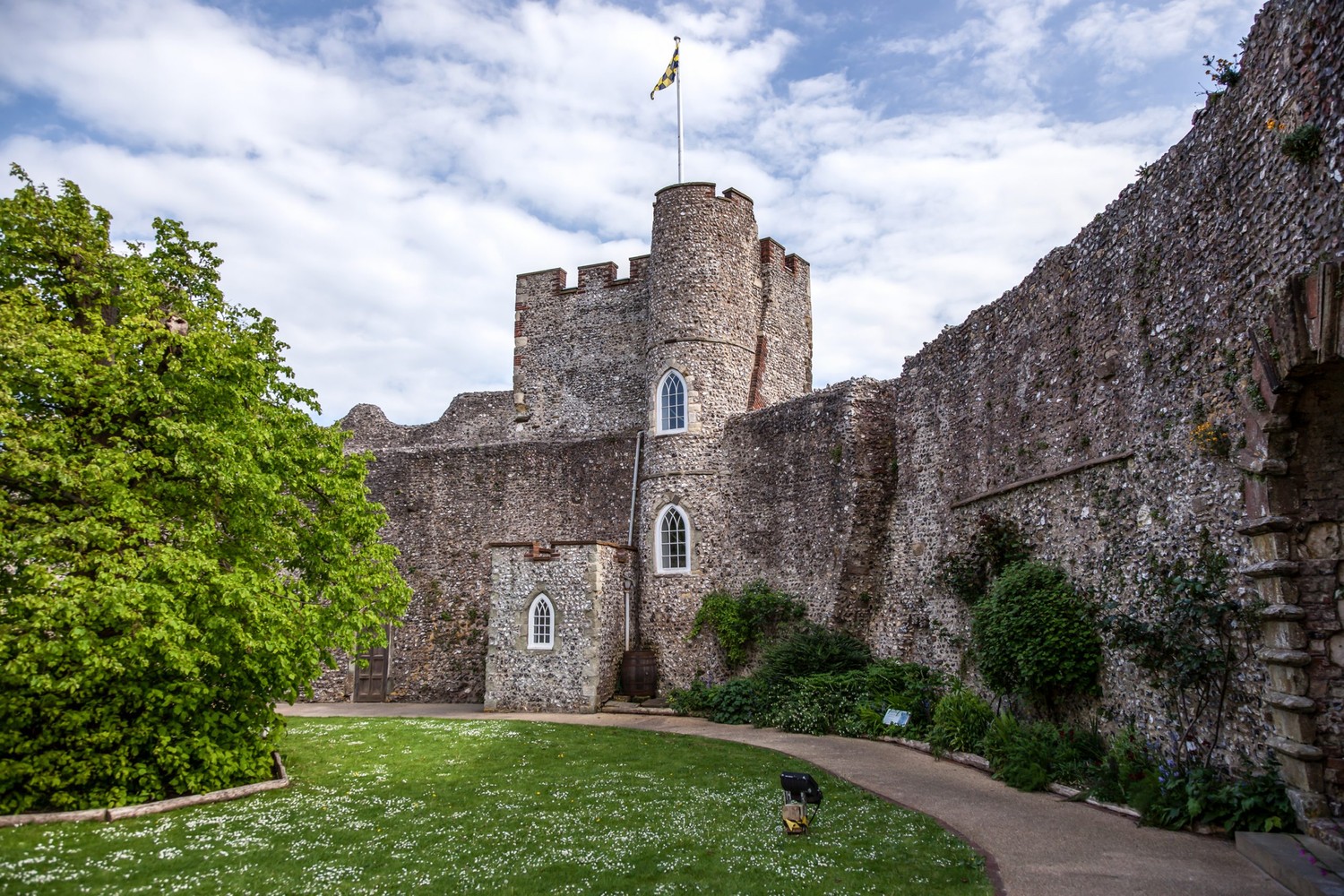
Nestled in the heart of Lewes, East Sussex, Lewes Castle & Barbican House Museum isn’t merely a repository of artifacts; it's an immersive journey through a millennium of English history—a testament to resilience and transformation etched into stone and meticulously recreated within Victorian walls. Approaching the castle, one is immediately struck by its commanding presence – a formidable silhouette against the rolling South Downs, embodying William the Conqueror’s ambition and strategic foresight. Built in the late 11th century, Lewes Castle stands as one of only two castles in England boasting the remarkable feature of two mottes, an unusual defensive design that speaks volumes about the importance placed upon securing this pivotal location guarding the River Ouse and the surrounding region for generations.

Echoes of Norman Power and Medieval Life

The castle’s architecture is itself a captivating narrative. Originally conceived as a motte-and-bailey fortification—a deliberate choice reflecting the prevailing military thinking of its time—it evolved over centuries, adapting to changing threats and tastes. The initial wooden palisades gave way to robust shell keeps constructed from locally quarried limestone and flint, demonstrating impressive engineering prowess for the era. Walking within its grounds evokes a palpable atmosphere – imagining knights preparing for battle amidst the clang of weaponry, lords dispensing justice beneath watchful eyes, and the daily rhythms of life unfolding within its protective embrace. The Battle of Lewes in 1264 dramatically shaped the castle’s history, witnessing fierce conflict as soldiers departed from its ramparts to engage in a pivotal clash with Simon de Montfort—a confrontation that underscored the castle's role as a symbol of Norman dominance and influenced the political landscape for decades afterward.

From Castle Walls to Victorian Parlors

The museum’s singular charm resides in its seamless integration of two distinct historical periods. Adjacent to the rugged grandeur of Lewes Castle stands Barbican House, a 16th-century building that offers a fascinating counterpoint—a microcosm of Elizabethan refinement and scholarly pursuits. Originally constructed as a private residence for Sir Thomas Gresham, it later became the headquarters of the Sussex Archaeological Society and now serves as an integral part of this captivating museum complex. Stepping into Barbican House is akin to entering a Victorian time capsule; meticulously recreated interiors showcase furniture crafted with exquisite detail—chinoiserie porcelain vases, richly embroidered textiles—reflecting the fascination with Eastern cultures prevalent during Queen Victoria’s reign. The juxtaposition between the castle's raw power and Barbican House’s domestic tranquility creates a compelling dialogue across centuries, prompting contemplation on how societal values and artistic sensibilities shifted over time.

Unearthing Sussex’s Past: Collection Highlights

The museum’s collection is as diverse as its architectural landscape—a microcosm of Sussex’s history itself. Among its treasures stands the Model Village of Lewes from the 1880s—a breathtaking miniature recreation that captures the essence of Lewes' appearance during the Victorian era, complete with painstakingly crafted buildings and landscaping. Furthermore, archaeological finds unearthed from significant sites across Sussex – including fragments of pottery from Battle Abbey and intricate floor tiles from Wilmington Priory – provide tangible links to the region’s rich past, illuminating daily life and artistic traditions. Recent exhibitions have explored themes ranging from medieval weaponry to Victorian social customs, enriching visitors' understanding of Lewes’ multifaceted heritage.

A Living Legacy: What Makes Lewes Castle Unique

Lewes Castle & Barbican House Museum distinguishes itself through its unparalleled duality—a rare combination of Norman castle ruins and a 16th-century house that embodies the evolution of architecture, society, and culture firsthand. The panoramic views from the castle’s elevated position offer breathtaking vistas of Lewes and the surrounding countryside—a visual reminder of the landscape that shaped the lives of those who inhabited its walls throughout history. Committed to fostering engagement with the past, the museum hosts workshops, educational programs, and events catering to audiences of all ages—making it more than just a place of observation; it’s a destination for discovery and inspiration. Ultimately, Lewes Castle & Barbican House Museum invites visitors to step back in time and experience England's captivating history – a legacy preserved with care and presented with passion.