


A Legacy of Vision: The J. Paul Getty Museum
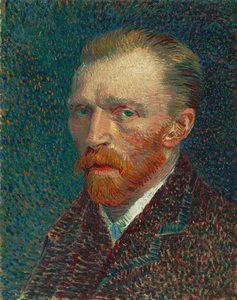
Nestled amidst the sun-drenched hills overlooking Los Angeles, the J. Paul Getty Museum isn’t merely a repository of artistic treasures; it's an immersive experience, a testament to the transformative power of art and the enduring legacy of its founder, Jean Paul Getty. The museum’s origins are rooted in a profoundly simple yet remarkably ambitious belief: that the world’s artistic heritage deserved to be freely accessible to all. This conviction, born from the oil magnate's own deep appreciation for beauty, blossomed into one of America’s most beloved and respected cultural institutions – a place where history whispers from ancient sculptures, emotions resonate within Rembrandt’s portraits, and the landscapes of Van Gogh seem to breathe with life.
Architectural Harmony: Two Visions in Stone and Light
The Getty's dual campuses offer strikingly different yet complementary architectural experiences. The West Building, conceived by Richard Meier, embodies a philosophy of minimalist elegance – travertine walls radiating timelessness, punctuated by expansive glass windows that flood the galleries with natural light. This deliberate design fosters contemplation, enhancing the vibrancy of color palettes and creating an atmosphere of serene grandeur. It’s a space designed to allow the art itself to take center stage, minimizing distraction and maximizing impact. In contrast, Michael Graves' East Building introduces a playful element, incorporating gardens, courtyards, and water features—a verdant oasis designed to connect the museum to its surroundings and offer a welcome respite from the galleries’ intellectual depth. The juxtaposition of these two architectural styles is brilliantly executed, creating a dynamic and engaging experience for every visitor.
A Tapestry Through Time: Exploring Masterpieces Across Centuries
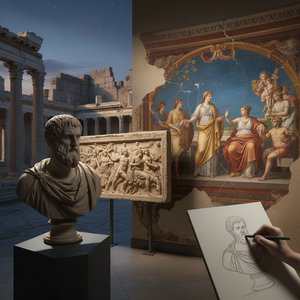
The J. Paul Getty Museum's collection is astonishingly diverse, spanning centuries and continents, offering a breathtaking journey through human creativity. Within its walls, you’ll discover an unparalleled array of European paintings from the Renaissance through Impressionism – masterpieces by Rembrandt, where brushstrokes capture not just likeness but profound emotional depth through masterful use of chiaroscuro; the swirling landscapes brimming with passion of Vincent van Gogh; and countless other works that speak volumes about their eras. Beyond painting, the museum’s treasures extend far beyond, encompassing captivating photographs by pioneers like Raja Deen Dayal, offering glimpses into daily life and social customs of the past; a wealth of ancient Greek and Roman sculptures, transporting you back to the grandeur of classical antiquity; and an impressive collection of decorative arts that illuminate daily life across centuries – intricately crafted furniture, shimmering ceramics, and exquisite textiles. The museum’s commitment to showcasing diverse cultures is evident in its collection of ancient Near Eastern art, including mosaics and sculptures that reveal the sophistication of civilizations predating classical Greece and Rome.
Illuminating the Past: Exhibitions and Ongoing Scholarship
The J. Paul Getty Museum consistently pushes artistic boundaries through thoughtfully curated exhibitions that illuminate diverse cultures and historical periods. Current exhibitions often showcase rarely seen works, offering fresh perspectives on familiar artists and introducing audiences to lesser-known masters. The museum also actively supports research into the provenance of artworks, acknowledging and addressing complex histories surrounding ownership and cultural heritage. The Getty Research Institute plays a vital role in furthering scholarly understanding; its extensive digital resources are freely available to researchers worldwide, solidifying the museum’s position as a global center for artistic knowledge.
A Foundation Built on Accessibility: A Legacy of Generosity
Jean Paul Getty’s initial vision extended far beyond mere collection; he championed free admission to both campuses – a deliberate act reflecting an unwavering belief in art’s transformative potential for all individuals. This commitment to accessibility is at the heart of the museum's ethos, ensuring that everyone, regardless of socioeconomic background, can experience the joy and inspiration of art. Complementing this generosity is an extensive educational program encompassing lectures, workshops, guided tours, and a burgeoning digital resource library catering to audiences of every age and inclination. The Getty’s story is inextricably linked to its founder’s unwavering commitment to making art accessible – a legacy that continues to inspire visitors worldwide.