A Tapestry of Time: The Architectural Grandeur of Hessisches Landesmuseum
To step through the doors of the Hessisches Landesmuseum in Darmstadt is to enter a profound dialogue between different eras of human ambition. This institution is not merely a repository for artifacts, but an architectural masterpiece that mirrors the very evolution of German culture. The building itself serves as a silent narrator; its imposing entrance hall, designed by Alfred Messel , utilizes Palladian proportions to evoke the timeless elegance of classical Rome, while corridors lined with Romanesque arches transport the visitor into the solemnity of the medieval spirit. As one wanders through its vast exhibition space, the seamless integration of historical Renaissance-inspired grandeur and modern, airy renovations creates a breathtaking atmosphere where the past and present exist in perfect, luminous harmony.
The museum's physical presence is a testament to a legacy that began through the visionary generosity of Louis I, Grand Duke of Hesse . Originally housed within the Baroque part of the Residential Palace Darmstadt, the institution eventually found its monumental home in a structure that stands as a landmark of the city. This architectural journey reflects a commitment to preserving the soul of the region, offering a sanctuary where the weight of history meets the lightness of contemporary design.
A Treasury of Aesthetic Brilliance and Scientific Wonder
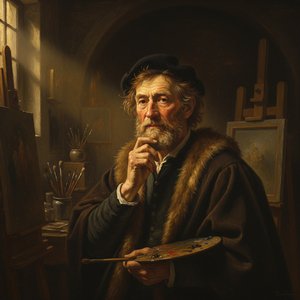
For the discerning art lover or interior designer seeking inspiration, the collection offers an unparalleled treasury of aesthetic brilliance. The halls are graced by the masterful brushwork of Rembrandt , whose ability to manipulate light and shadow continues to captivate the modern eye, alongside the profound, existential explorations of Joseph Beuys . The museum holds a particularly significant concentration of Dutch and Flemish painting, providing a vibrant panorama that spans from the intricate complexities of Mannerism to the dramatic intensity of the Baroque period. One might find themselves lost in the serene, textured landscapes of Jacob Fouquier or mesmerized by the spiritual depth found in Alexej von Jawlensky’s Mystical Head , a haunting Expressionist portrait that uses vibrant color palettes to touch upon the sublime.
Beyond the canvas, the museum offers a rare glimpse into the decorative and prehistoric wonders that define our shared heritage. The collection is characterized by its unique ability to unite disparate worlds under one roof:
- Art Nouveau Objects: Exquisite pieces that celebrate organic fluidity and intricate embellishment.
- Prehistoric Treasures: Extraordinary fossils from the Messel Pit UNESCO World Heritage Site , where the Eocene epoch comes to life through detailed dioramas of mammals and birds.
- Medieval Craftsmanship: Delicate Ottonian works, such as the Magdeburg Ivories, which showcase ancient artistry.
This unique intersection of art and science invites every visitor to contemplate the interconnectedness of all life and the enduring power of human creativity, making it a destination where the prehistoric past and the heights of human fine art exist in a single, breathtaking narrative.