

A Singular Canvas of Time: Exploring Guildhall Art Gallery’s Legacy
The Guildhall Art Gallery stands as a testament to London's multifaceted heritage—a place where brushstrokes meet the echoes of Roman ambition. Located within the venerable Guildhall complex, this museum isn’t merely showcasing art; it’s presenting an immersive experience that bridges millennia, inviting visitors to contemplate the enduring spirit of British culture. Its very foundation rests upon the ruins of London's largest amphitheatre, unearthed in 1988 and now thoughtfully integrated into its architectural design, creating a dialogue between past and present unlike any other institution in the city.- A Collection Rooted in Victorian Grandeur: The gallery’s core comprises an impressive assemblage of Victorian paintings—a period defined by opulent artistic expression and social aspiration. Artists like John Atkinson Grimshaw and Albert Brumley captured London's bustling cityscape with remarkable detail, reflecting the dynamism of the era. These canvases offer a window into Victorian sensibilities, portraying scenes of aristocratic life, industrial progress, and theatrical spectacle.
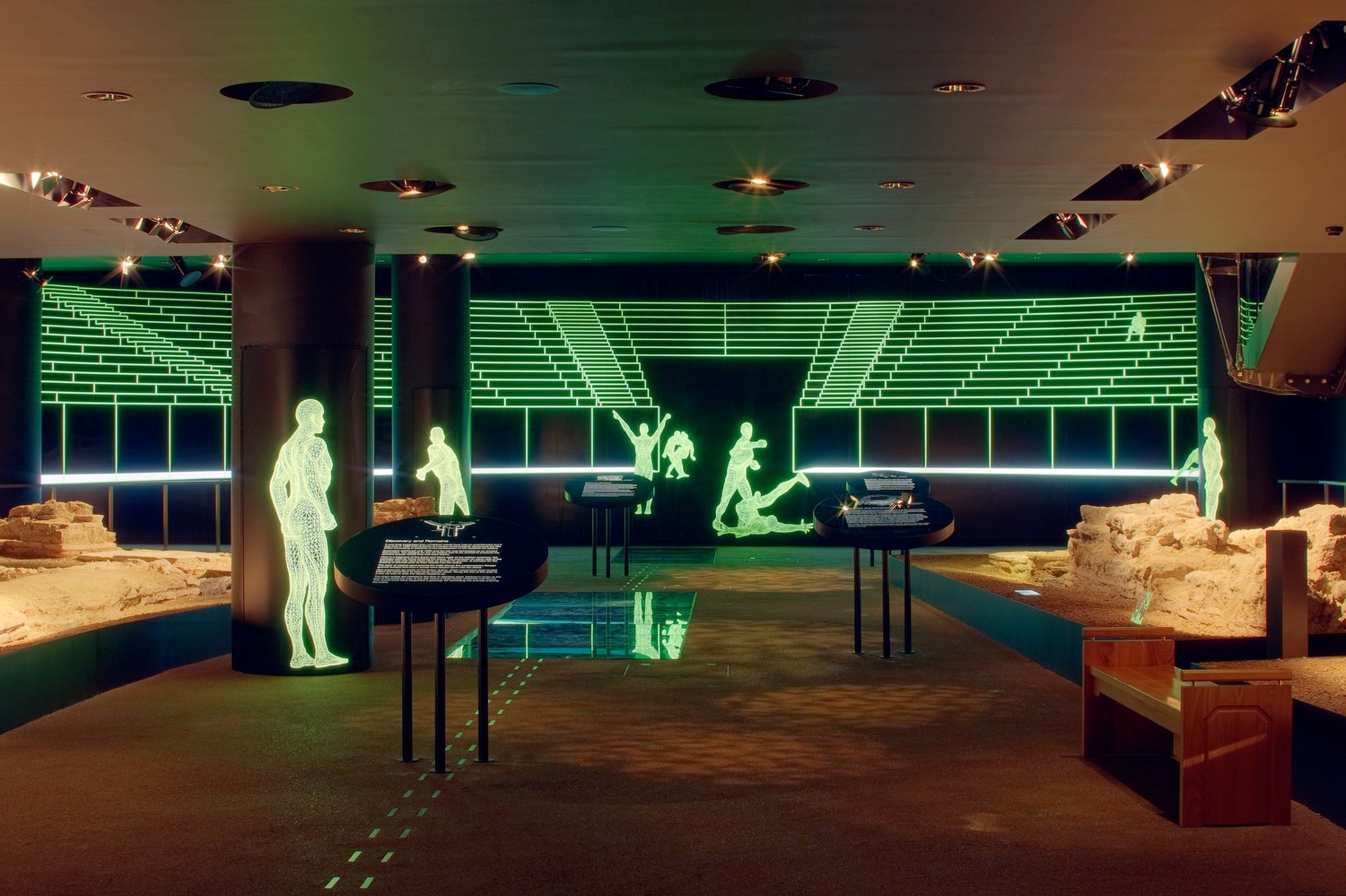
- The Arena Within Walls: Perhaps the gallery’s most arresting feature is its Roman Amphitheatre remains—a tangible connection to London's earliest days as a Roman settlement. Visitors can stroll through the courtyard where the arena outline is subtly marked on the paving, allowing them for an unforgettable journey back in time. The amphitheatre served as a focal point of civic life and entertainment, mirroring the grandeur of imperial Rome.
The building itself embodies architectural innovation—completed in 1999 by Richard Gilbert Scott—a postmodern design that skillfully balances contemporary aesthetics with respect for its historic surroundings. The gallery’s façade incorporates reclaimed stone from demolished Guildhall buildings, symbolizing continuity and honoring London's storied past.
Notable Exhibitions & Artistic Revelations
Recent exhibitions have illuminated lesser-known facets of British art history, delving into themes of social reform and artistic experimentation. Particularly noteworthy was “London Landscapes,” which showcased a selection of paintings depicting the city’s evolving vistas throughout the Victorian period—a celebration of London's beauty and resilience.
Beyond Canvas: Educational Engagement
Recognizing the importance of fostering cultural understanding, Guildhall Art Gallery actively engages visitors through interactive tours, educational workshops for children, and insightful lectures by art historians. These initiatives aim to inspire curiosity and deepen appreciation for both artistic achievement and historical context.What distinguishes Guildhall Art Gallery is its unparalleled ability to synthesize visual artistry with archaeological discovery—a truly exceptional proposition for discerning collectors and interior designers seeking inspiration. Its location within the Guildhall complex, a symbol of London’s civic identity, adds another layer of significance to this remarkable institution.