A Sanctuary of Art and Architecture in Braga: The Graça Morais Contemporary Art Centre
Nestled within the historic city of Braga, Portugal, the Graça Morais Contemporary Art Centre stands as a compelling testament to both artistic vision and architectural innovation. More than just a museum, it’s an immersive experience—a space where the evocative works of Graça Morais intertwine with the striking design of Eduardo Souto de Moura, creating a harmonious dialogue between art and its environment. The centre isn't merely a repository for paintings; it is a living cultural hub dedicated to fostering artistic expression and preserving the legacy of one of Portugal’s most influential artists. Opened in 2008, the CACGM emerged from a thoughtful renovation and expansion of a 17th-century building, formerly a branch of the Bank of Portugal, seamlessly blending historical context with modern sensibilities. Souto de Moura's architectural brilliance is immediately apparent; the addition isn’t an imposition upon the existing structure but rather a sensitive extension, characterized by minimalist aesthetics and subtly angled concrete walls that challenge conventional spatial norms. This deliberate design choice ensures the architecture complements, rather than competes with, the art it houses.
-
The Collection: Graça Morais's Vision
-
Architectural Harmony: Souto Moura’s Masterpiece
-
A Journey Through Time: From Baroque Roots to Contemporary Dialogue
-
Beyond the Gallery Walls: Community Engagement and Artistic Enrichment
-
Why Graça Morais Matters: An Artist's Enduring Legacy
The Collection: Graça Morais's Vision
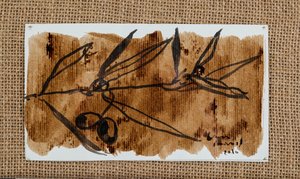
At its core resides an extensive collection dedicated to Graça Morais, a painter whose work delves into the complexities of human experience with remarkable depth and sensitivity. Born in 1948 in the rural landscapes of Trás-os-Montes, her artistic journey began early, fueled by a fascination with observation and a desire to capture the essence of life around her. Morais’s paintings are often characterized by their exploration of themes such as rural existence, mythology, and the enduring human capacity for both violence and resilience. Her imagery is vivid and thought-provoking, frequently depicting figures embedded within stark landscapes, imbued with a sense of quiet dignity and profound emotion. The museum houses seven dedicated rooms showcasing a significant portion of her oeuvre, offering visitors a comprehensive overview of her artistic evolution. From early works reflecting the influence of Gustave Courbet to later pieces that demonstrate a uniquely personal style, the collection reveals an artist constantly pushing boundaries and challenging conventions. Her work isn’t simply representation; it's an excavation of memory, emotion, and the enduring spirit of Portugal itself. Notably, masterpieces like “Delmina” (1996) – a captivating acrylic on canvas capturing the serene beauty of Portuguese countryside – and "Spirit of the Olive Tree" series (2012), showcasing abstract watercolor interpretations of nature’s tranquility—provide invaluable insight into Morais's artistic evolution.
Architectural Harmony: Souto Moura’s Masterpiece
The CACGM’s architectural design, spearheaded by Eduardo Souto de Moura, is itself a work of art. The addition to the original 17th-century Bank of Portugal building isn't an intrusion but rather a graceful extension—a testament to Souto Moura’s meticulous consideration for preserving historical integrity while embracing modern innovation. Minimalist aesthetics dominate the space, complemented by subtly angled concrete walls that disrupt traditional spatial perceptions. This deliberate architectural strategy ensures that the building enhances, rather than overshadows, the artworks displayed within its walls. The expansive garden surrounding the centre further contributes to this harmonious blend of past and present, creating a contemplative environment ideal for appreciating art and fostering intellectual curiosity.
A Journey Through Time: From Baroque Roots to Contemporary Dialogue
The CACGM’s history is as compelling as its artistic offerings. Initially conceived as a branch of the Bank of Portugal, the building underwent a transformative renovation in 2008, resulting in this exceptional contemporary art centre. Recognizing the importance of cultural heritage, curators skillfully integrated elements of Baroque architecture with cutting-edge design principles—a bold statement about embracing artistic progress without forgetting its roots. Furthermore, the CACGM actively champions dialogue between generations of artists through rotating exhibitions featuring both established masters and emerging talents from Portugal and internationally.
Beyond the Gallery Walls: Community Engagement and Artistic Enrichment
Recognizing that art transcends mere visual appreciation, the centre extends its reach beyond its galleries. Educational programs, artistic workshops, concerts, and other multidisciplinary initiatives aim to cultivate creativity within Braga and its surrounding region—solidifying the CACGM’s role as a cornerstone of cultural vitality. The tranquil garden and outdoor café provide spaces for visitors to unwind and contemplate the artworks encountered during their visit.
Why Graça Morais Matters: An Artist's Enduring Legacy
Graça Morais’s work stands apart due to its profound exploration of human emotion and its unwavering commitment to portraying Portugal’s landscapes with breathtaking accuracy. Her paintings resonate with a timeless quality, capturing the spirit of resilience and beauty—a legacy that continues to inspire artists and captivate audiences alike. Explore reproductions of her celebrated pieces like “Delmina” and "Spirit of the Olive Tree" series – tangible reminders of Portugal's artistic heritage.