

A Renaissance Jewel in the Heart of Parma
The heart of Parma beats with an artistic rhythm centuries in the making, a pulse most vividly felt within the walls of the Galleria Nazionale . More than just a repository of masterpieces, this institution serves as a profound testament to the enduring power of creativity and the legacy of influential families like the Farnese , whose patronage shaped not only the collection but also the very fabric of the city’s cultural identity. Housed in the magnificent Palazzo della Pilotta , an architectural marvel reflecting the grandeur of Italian Renaissance design, a visit here is akin to stepping back in time. The palace's history is inextricably interwoven with that of the museum; originally conceived as a sprawling complex for leisure and display, it provided the perfect canvas upon which generations would build a collection representing the absolute pinnacle of Italian artistry.
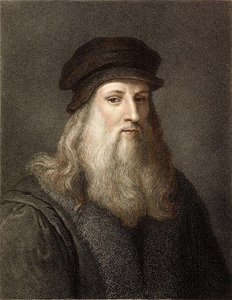
The true soul of the Galleria Nazionale lies in its focused yet remarkably rich concentration of Renaissance paintings and sculptures. While boasting works from masters such as Ludovico Carracci, Canaletto, Guercino, Tintoretto, and Sebastiano del Piombo , it is the presence of Correggio, Leonardo da Vinci, and Parmigianino that defines its character. Antonio da Correggio, a native son of Parma, stands as an unrivaled figure here, celebrated for his pioneering use of light and perspective—techniques that would profoundly influence Baroque artists for centuries to come. His canvases pulsate with a sensual dynamism, transforming religious scenes into captivating explorations of human emotion. One cannot help but be moved by the Madonna della Scodella , a breathtaking depiction showcasing Correggio’s masterful manipulation of luminescence, creating an ethereal atmosphere that draws the viewer into its serene beauty.
Architectural Grandeur and Historical Legacy
The museum's architectural setting is equally captivating, offering an immersive experience that transcends mere observation. As visitors wander through the opulent interiors of Palazzo della Pilotta , they encounter a space where art and structure exist in perfect harmony. The palace itself is a symbol of Farnese power, and its halls are adorned with frescoes by Correggio and Parmigianino that transport the observer directly into the Renaissance era. Beyond the painted canvases, the complex holds architectural treasures like the Teatro Farnese , a magnificent Baroque opera house that stands as a testament to the enduring legacy of artistic patronage.
The story of the Galleria Nazionale is one of remarkable evolution and preservation. The collection began with the ambitious efforts of the Farnese family, bolstered by contributions from Pope Paul III and Cardinal Alessandro Farnese. Although the 18th century brought challenges—including the transfer of significant treasures to Naples—the arrival of Duke Filippo di Borbone ushered in a transformative period of revitalization. Later, Duchess Marie Louise played a pivotal role in reorganizing the collection after the Napoleonic wars, commissioning halls that continue to inspire awe today. Today, the museum remains a vibrant emblem of Parma's heritage, actively engaging with contemporary trends through curated exhibitions that explore the connections between Renaissance spirituality and modern aesthetics.