A Legacy Forged in Bronze and Paint: The Spirit of the American West
Nestled along the tranquil banks of the St. Lawrence River in Ogdensburg, New York, the Frederic Remington Art Museum stands as a profound testament to one artist’s enduring vision of the American West. More than simply a repository for paintings and sculptures, it is an immersive portal into a pivotal era of American history, meticulously preserved within a building steeped in its own compelling narrative. To wander through its galleries is to step into a world forged in bronze and paint, where the spirit of the frontier continues to resonate with remarkable vitality. The museum offers an unparalleled encounter with the life and work of Frederic Sackrider Remington, boasting the largest collection of his art anywhere in the world—a legacy that transcends mere depiction to become a powerful shaping force in how America understood itself during a period of dramatic transformation.
The story of the museum is inextricably linked to the architecture it occupies—a stately mansion constructed in 1810 by David Parish, a prominent local figure. For generations, the Parish Mansion witnessed the ebb and flow of family life, quietly observing the evolution of Ogdensburg and the nation. It wasn’t until after Remington's death in 1909 that a direct connection to the building emerged; his wife, Eva, found solace within its walls as a wonderful guest, remaining there until her passing in 1918. In 1923, Eva’s estate formally established the Remington Art Memorial, laying the foundation for what would become today's celebrated museum. This unique history imbues the space with an intimate atmosphere, allowing visitors to feel a tangible connection not only to the artist but also to the domesticity of a bygone era—a sense of stepping back in time and into the very heart of Remington’s world.
Capturing the Vanishing Frontier
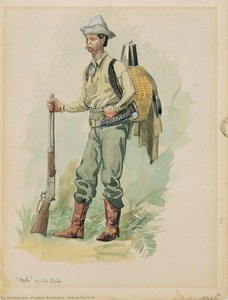
Remington's art transcends simple illustration; it is a powerful visual chronicle of the late 19th-century American West. His canvases pulse with dynamic energy, depicting scenes of cowboys driving cattle across vast plains, Native Americans engaged in both daily life and moments of conflict, and the stoic presence of the U.S. Cavalry amidst rugged landscapes. He wasn’t merely recording events; he was crafting a mythology—an idealized yet often brutally honest portrayal of a world on the cusp of irreversible change. The museum's collection showcases the breadth of his talent, from large-scale oil paintings brimming with detail and dramatic lighting to smaller, more intimate watercolors that reveal a nuanced understanding of color and form.
Equally compelling are Remington’s bronze sculptures, which bring his subjects to life with remarkable realism and a palpable sense of movement. These aren't static figures; they feel alive, embodying the rugged individualism and untamed spirit of the West—a testament to Remington’s mastery of anatomy and his ability to capture fleeting moments in enduring form. Notable masterpieces such as "The Smoke Signal" and "The Grass Fire" allow viewers to witness the artist's ability to weave tension and atmosphere into every brushstroke, while works like "Guard of the Whiskey Trader" capture the unique camaraderie and grit of frontier life.
A Singular Vision for Scholars and Collectors
What truly sets the Frederic Remington Art Museum apart is its unwavering dedication to a single artist. Unlike encyclopedic museums that span centuries and continents, this institution offers an intensely focused exploration of one man’s creative journey. This singular focus allows for a depth of understanding rarely found elsewhere—visitors can trace the evolution of Remington's style, explore his recurring themes—such as heroism, solitude, and the confrontation between civilization and wilderness—and gain insight into the historical context that shaped his work. Beyond the artworks themselves, the museum houses a rich archive of personal letters, sketches, and photographs, providing invaluable glimpses into Remington’s creative process.
Recent exhibitions have further illuminated lesser-known facets of Remington’s oeuvre, highlighting his contributions to illustration and exploring connections between his art and broader cultural trends. Particularly noteworthy was “Remington: The Artist as Ethnographer,” which examined the meticulous documentation of Native American cultures undertaken by Remington during his expeditions—a pioneering effort that anticipated many later anthropological studies. Today, the museum continues to serve as a vital center for artistic scholarship and cultural preservation, inviting art lovers, collectors, and interior designers alike to discover the profound beauty of a frontier captured in eternal stillness.