

A Sanctuary of Song and Dance: Exploring the English Folk Dance and Song Society
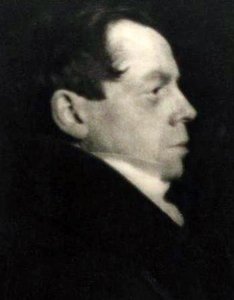
Nestled within the vibrant heart of London’s Camden Town, the English Folk Dance and Song Society (EFDSS) stands as more than just a museum; it's a living testament to England’s rich tapestry of musical traditions. Founded in 1932 by Cecil Sharp – a pivotal figure in the burgeoning folk revival – the EFDSS emerged from earlier societies dedicated to preserving and celebrating the songs, dances, and customs that had long been fading into obscurity. Today, housed within the beautifully restored Cecil Sharp House, it’s a dynamic hub where history breathes alongside contemporary performance, offering visitors an unparalleled glimpse into the soul of England.
The building itself is a significant element of the experience. Designed by architect Henry Martineau Fletcher in the neo-Georgian style, Cecil Sharp House was conceived as a dedicated space for fostering community engagement with folk arts. Its most striking feature is undoubtedly Kennedy Hall, a magnificent concert and performance area boasting a sprung ballroom floor – a deliberate nod to the dances that form the core of the Society’s mission. The hall's acoustics are meticulously crafted, reflecting a deep understanding of how sound should resonate within this space of communal celebration. Beyond the main hall, smaller rehearsal rooms and a welcoming café contribute to the house’s convivial atmosphere, making it feel less like a museum and more like a vibrant community center.
The Heart of the Collection: Music, Dance, and Archives
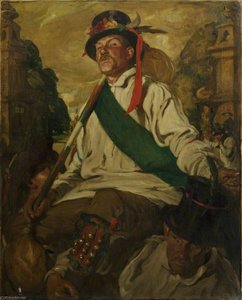
At its heart, the EFDSS boasts an extraordinary collection centered around English folk music and dance. The Folk Music Archive is arguably the most significant component, containing thousands of recordings, sheet music, and transcriptions – a veritable treasure trove for researchers, musicians, and anyone fascinated by traditional melodies and rhythms. You’ll discover songs passed down through generations, each carrying its own unique story and regional flavor. Equally captivating are the Society's extensive documentation of dance traditions, from the energetic Morris dances with their intricate footwork to the lively square dances that once filled village halls.
However, the collection extends far beyond recordings and printed scores. The Vaughan Williams Memorial Library – named in honor of the renowned composer Ralph Vaughan Williams, a key supporter of the Society’s early work – houses a vast collection of books, manuscripts, and ephemera related to folk music and dance. This library isn't merely a repository; it actively supports ongoing research and scholarship, ensuring that these traditions continue to be studied and understood for generations to come. Don’t miss Ivon Hitchens’ mural within the house – a striking visual representation of English folk life, adding an unexpected layer of artistic depth to the experience.
A Living Tradition: Performance and Education
What truly distinguishes the EFDSS is its commitment to preserving *living* traditions. Unlike many museums that focus solely on historical artifacts, the Society actively promotes participation through workshops, demonstrations, and a vibrant calendar of events. Regular concerts showcase both established folk musicians and emerging talents, while educational programs cater to all ages and skill levels. From beginner’s Morris dance classes to advanced research seminars, there's something for everyone interested in exploring the world of English folk arts.
The Society’s influence extends far beyond its walls. It plays a crucial national role, supporting artists, groups, and projects across England. Recent initiatives include collaborations with schools, community organizations, and other cultural institutions, ensuring that the spirit of English folk music and dance continues to thrive in the 21st century. The Society’s commitment to inclusivity is also noteworthy, actively working to represent diverse voices and perspectives within the folk arts community.
Notable Exhibitions & Future Directions
While the permanent collection is undoubtedly the centerpiece of the EFDSS experience, the museum regularly hosts temporary exhibitions that delve deeper into specific aspects of English folk music and dance. These exhibits often feature rare artifacts, photographs, and interactive displays, offering visitors a fresh perspective on the Society’s rich heritage. Keep an eye out for events like “Broadside Day,” a major annual conference dedicated to the study of folk song, and ongoing research projects exploring lesser-known traditions.
Looking ahead, the EFDSS remains committed to its core mission: safeguarding and celebrating England's vibrant folk traditions. Through continued education, performance, and archival work, it ensures that these invaluable cultural treasures will continue to inspire and enrich generations to come. A visit to Cecil Sharp House is not just a museum trip; it’s an immersion into the heart of English identity.