

A Sanctuary of Silence and Saintly Grace: The Convent of the Carmelitas Descalzas in Valladolid
Nestled within the historic heart of Valladolid, Spain, the Convent of the Carmelitas Descalzas stands as a remarkable testament to faith, architectural beauty, and the enduring legacy of Saint Teresa of Ávila. More than simply a museum, it’s an immersive experience—a journey into a world where austere simplicity coexists with breathtaking Baroque artistry, offering visitors a profound connection to one of Spain's most influential spiritual figures.
Founded in 1550 by Juana of Austria, the daughter of Charles V, this convent embodies the core tenets of the Discalced Carmelites – a reformed branch dedicated to contemplative prayer and service. Initially established as a royal monastery, it quickly became inextricably linked with Saint Teresa’s life and work. Her own mother, Isabel de Jesús, was among the first nuns admitted, and the convent served as her primary residence during her prolific period of writing and spiritual guidance. The building's evolution over centuries reflects not only religious devotion but also shifts in architectural style, resulting in a fascinating blend of influences – from early Renaissance elements to the opulent grandeur characteristic of Spanish Baroque.
A Tapestry of Religious Art and Architectural Splendor
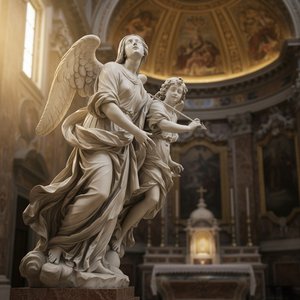
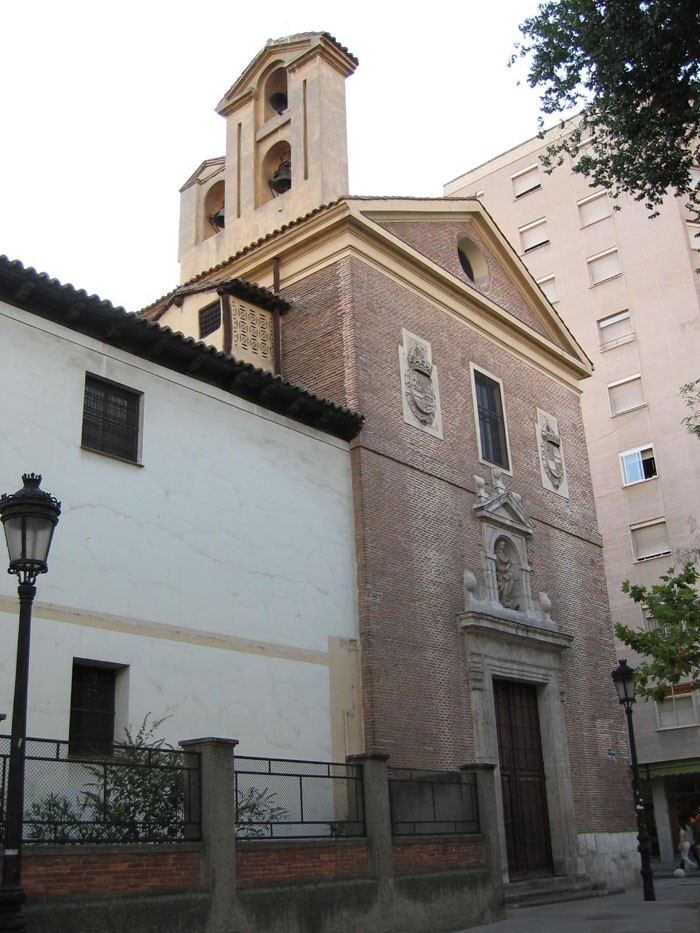
The Convent’s architecture is immediately striking. The exterior presents a remarkably restrained façade, almost unassuming at first glance—a deliberate reflection of the Carmelite commitment to humility. However, step inside, and you are transported into a world of exquisite detail. The church itself is a masterpiece of Baroque design, featuring soaring ceilings adorned with intricate frescoes depicting scenes from the life of Christ and Saint Teresa’s visions. The cloisters, a serene and shaded space, offer a tranquil retreat, while the various chambers—cells, refectory, and scriptorium—reveal the meticulous craftsmanship of generations of artisans.
Beyond the grand spaces, it is the collection housed within that truly captivates. The Convent’s heart lies in its Teresian Relics – tangible links to Saint Teresa's life and spirituality. These include personal items, letters, and devotional objects, each imbued with a sense of profound significance. Alongside these relics, visitors will encounter a carefully curated selection of religious paintings and sculptures spanning various periods, showcasing the evolution of artistic expression within the convent’s walls. Notably, several works are attributed to Gregorio Fernández, a prominent figure in the Spanish Baroque school, adding layers of historical and artistic context.
Echoes of Saint Teresa's Life
The Convent of the Carmelitas Descalzas is not merely a repository of art; it’s a living testament to Saint Teresa’s profound impact on Spanish religious life. The rooms where she wrote her seminal works—the “Autobiography” and “Interior Castle”—remain largely unchanged, offering visitors a rare opportunity to imagine the space where these transformative ideas took shape. The convent's dedication to preserving Teresian heritage is deeply felt; it continues as an active religious community today, maintaining its commitment to prayer, contemplation, and service.
A Unique Blend of History and Spirituality
What distinguishes the Convent of the Carmelitas Descalzas from other historical sites is its seamless integration of these elements. It’s a place where one can simultaneously appreciate the grandeur of Baroque architecture, marvel at the beauty of religious art, and connect with the deeply personal story of Saint Teresa de Jesús. The atmosphere within the convent—a palpable sense of peace, reverence, and quiet contemplation—is truly exceptional. It offers visitors a rare opportunity to step back in time, immerse themselves in a rich spiritual tradition, and gain a deeper understanding of one of Spain’s most beloved saints.
For those seeking cultural enrichment, artistic inspiration, or simply a moment of serenity, the Convent of the Carmelitas Descalzas is an unforgettable destination.