A Botanical Sanctuary of Scientific Elegance
Nestled within the historic heart of Richmond, Virginia, The Herbarium at the University of Richmond stands as a profound testament to an era when scientific inquiry and artistic appreciation were inextricably linked. It is far more than a mere repository for dried flora; it is a living chronicle of botanical heritage, where the meticulous precision of taxonomy meets the quiet beauty of the natural world. Since its inception in the early 1900s, this institution has served as a sanctuary for those who find poetry in the structure of a leaf and rhythm in the growth of a stem. To wander through its halls is to step back into a period of Victorian scientific curiosity, where every specimen collected was an act of both discovery and devotion.
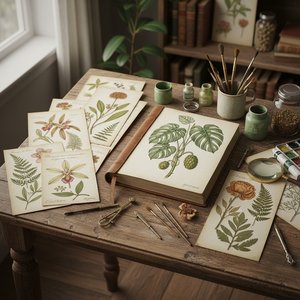
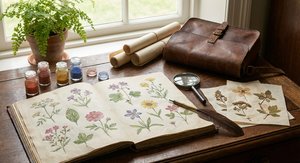
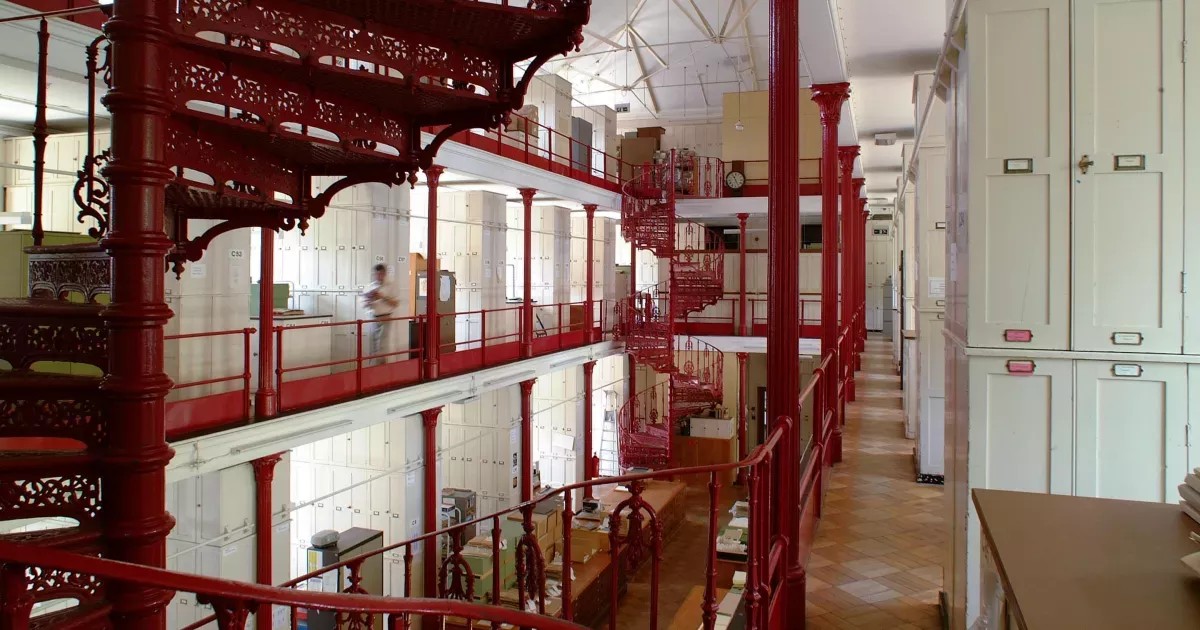
The collection itself is a breathtaking mosaic of Earth’s biological diversity, boasting approximately 20,000 meticulously preserved specimens that illuminate the intricate tapestry of the region's ecology. Within these archives, one finds the delicate textures of algae, the rugged resilience of lichens, and the complex architectures of vascular plants, myxomycetes, bryophytes, and fungi. Each specimen acts as a frozen moment in time, allowing researchers and art enthusiasts alike to trace the shifting distributions of species and witness the historical evolution of Virginia’s landscape. For the collector or designer, there is an undeniable allure in this collection; it offers a profound connection to the Earth's history, where the scientific rigor of the past provides a foundation for contemporary appreciation of natural beauty.
Architectural Grandeur and the Play of Light
The architecture of The Herbarium further elevates the visitor experience, as the building itself—constructed in 1903—is a masterwork of Beaux-Arts principles. Its symmetrical facade and grand, arched windows create an atmosphere of intellectual grandeur and tranquility. As sunlight streams through these expansive panes, it bathes the carefully arranged specimens in a soft, natural glow, highlighting the fine details that make each plant a miniature work of art. This interplay of light and structure creates a contemplative environment, much like a gallery dedicated to the subtle nuances of organic form. The building does not merely house the collection; it dignifies it, providing a stately stage for the silent stories of the botanical world.
The Intersection of Science and Fine Art
What truly distinguishes The Herbarium from conventional museums is its unique departure from visual spectacle in favor of intellectual intimacy. While many institutions seek to overwhelm the senses with scale, The Herbarium invites a deeper, more focused engagement—one rooted in the quiet observation of detail. This spirit of discovery is occasionally brought to the forefront through curated exhibitions that bridge the gap between science and fine art. By showcasing selected specimens alongside interpretive displays, the museum highlights the profound influence of botanical illustration, reminding us how the pursuit of scientific truth has historically been fueled by an artist's eye for detail. It is a place where the boundaries between the laboratory and the studio dissolve, offering an inspiring destination for anyone moved by the enduring elegance of the natural sciences.