A Floating Icon of Maritime History: The Cutty Sark
The River Thames in Greenwich holds a treasure—not of gold or jewels, but of wood, iron, and sailcloth. It is here that the Cutty Sark, Britain’s last surviving tea clipper, rests as a powerful monument to an age of daring voyages, technological innovation, and global trade. More than just a ship preserved in time, she embodies the spirit of Victorian ambition and the relentless pursuit of speed on the high seas.
To walk her decks is to step back into a world where fortunes were made—and sometimes lost—on the swiftness of passage between continents. An Engineering Marvel Forged in Competition
- Launched in 1869 from Dumbarton, Scotland, the Cutty Sark was conceived during the twilight years of the clipper ship era. These vessels represented the pinnacle of sailing technology—long, lean hulls designed for maximum velocity, vast expanses of canvas harnessing the power of the wind.
- What set the Cutty Sark apart wasn’t merely her elegant lines but also her innovative composite construction: a wooden hull built upon an iron frame. This combination offered both flexibility and strength, allowing for a lighter, faster ship capable of withstanding the rigors of long ocean voyages.
- She was born into fierce competition—the “Tea Races” to bring the first harvests from China to London—and quickly established herself as a contender, holding the record for the fastest passage from Australia to Britain for ten years.
From Tea and Wool to a Legacy Preserved
- The Cutty Sark’s story is one of adaptation. While initially designed for tea, she transitioned to carrying wool from Australia as steamships began to dominate the China trade. This shift speaks to her versatility and enduring seaworthiness.
- However, her working life wasn’t without peril. She passed through Portuguese ownership, served as a training ship, and faced the devastating threat of fire not once, but twice—in 2007 and again in 2014. Each time, meticulous restoration efforts have breathed new life into her timbers, demonstrating an unwavering commitment to preserving this vital piece of maritime heritage.
- The current presentation, with the ship dramatically raised on a dry dock, allows visitors to appreciate not only her above-deck splendor but also the intricate engineering of her hull—a testament to Victorian craftsmanship.
A Symbol Reimagined: Art and Inspiration
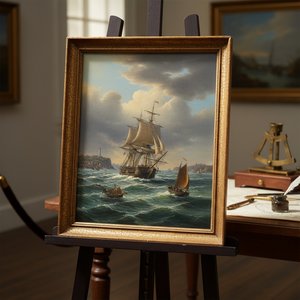
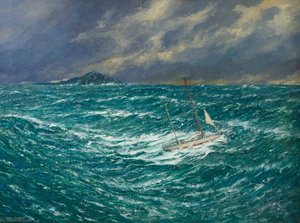
The Cutty Sark has transcended her practical function to become a cultural icon. Her name graces a world-renowned whisky, a nod to the ship’s speed and adventurous spirit. She has inspired countless artists, from those creating detailed paintings of her sailing prowess—like John Fraser's depictions—to contemporary designers seeking to capture her elegance in various forms.
The ship herself is a work of art, a dynamic sculpture shaped by wind and wave, embodying the romance of the sea. The influence extends beyond visual arts; she represents an era that continues to captivate imaginations, fueling narratives of exploration, trade, and human ingenuity.
Visiting the Cutty Sark isn’t simply observing history—it’s connecting with a powerful symbol of Britain’s maritime past and its enduring legacy.
Experiencing the Golden Age of Sail
Today, the Cutty Sark offers an immersive experience for visitors. Explore the ship’s decks, venture into the cargo holds, and discover artifacts that bring to life the stories of the sailors who once called her home. Interactive exhibits detail the challenges and triumphs of Victorian seafaring, while ongoing conservation work provides a fascinating glimpse behind the scenes.
The museum isn’t just about admiring a beautiful vessel; it’s about understanding the human element—the lives lived aboard, the risks taken, and the global connections forged through maritime trade. It is a unique destination for history enthusiasts, art lovers, and anyone seeking to connect with a captivating chapter of our shared past.
Notable Exhibitions
Recent exhibitions have explored themes of Victorian innovation, seafaring adventure, and the legacy of *Cutty Sark*’s voyages. Highlights include displays on shipbuilding techniques, navigational instruments, and the daily life of sailors during the 1870s-1895 era.
Architectural Significance
The Cutty Sark Museum building itself is a striking example of Brutalist architecture, designed in 1963 by Derek Lloyd Wright. Its concrete structure contrasts powerfully with the historic ship, creating an engaging dialogue between past and present.