

A Renaissance Masterpiece Reborn: The Majesty of Chambord
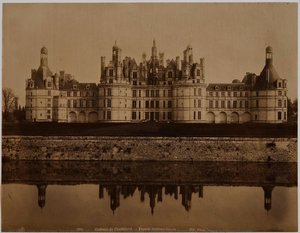
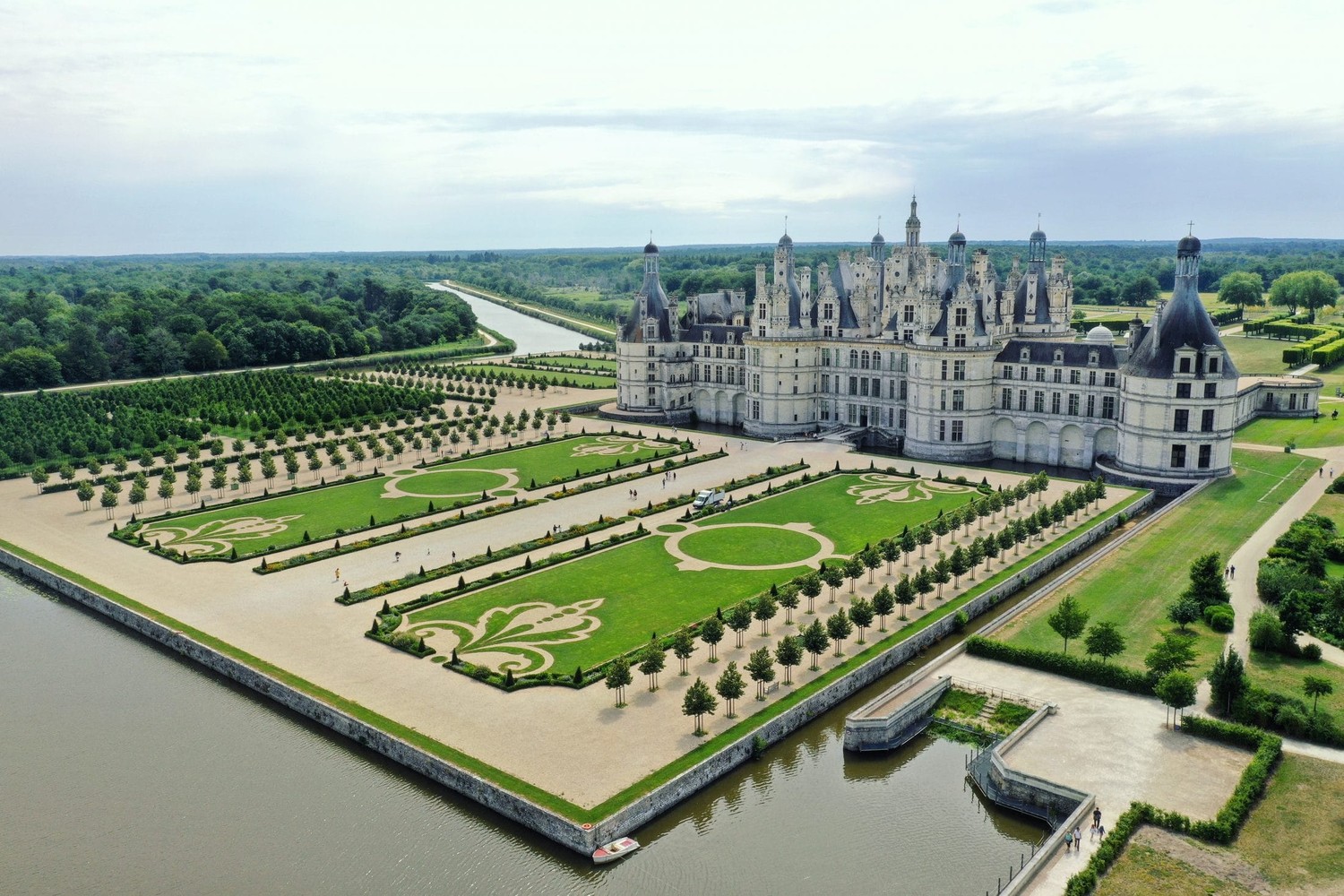
The Château de Chambord stands as an unparalleled testament to the ambition of François I and the blossoming artistry of the French Renaissance. More than just a castle, it is a calculated statement of royal power, infused with intellectual curiosity and driven by visionary design. Located in the verdant Loire Valley, this monumental edifice dominates its surroundings, inviting visitors on a journey back to the sixteenth century and into the heart of European artistic innovation. To wander through its halls is to witness a moment in history where the medieval fortress tradition met the sophisticated elegance of classical Renaissance principles, creating a harmonious fusion that continues to captivate the modern eye.
The architectural soul of the château resides in its most celebrated feature: the legendary double-spiral staircase. A marvel of engineering often attributed to the genius of Leonardo da Vinci, this ingenious mechanism allows two people to ascend or descend simultaneously without ever crossing paths. This feat of design defied conventional architectural understanding of the millennium and cemented Chambord’s reputation as a crucible of artistic experimentation. Beyond this iconic element, the work of Domenico da Cortona brought a sense of structural grandeur that balanced strength with grace. The château’s expansive terraces offer breathtaking panoramic views of the surrounding landscape—a deliberate choice to elevate the structure's majesty and symbolize the far-reaching dominion of the French crown.
The history of Chambord is a narrative of royal splendor and transformative patronage. Built between 1519 and 1547, it originally served as a hunting lodge for François I, who hosted luminaries such as Charles V, Holy Roman Emperor, during his reign. As the centuries progressed, subsequent monarchs continued to embellish the château’s interiors, most notably Louis XIV. The Sun King transformed the estate into a lavish royal residence, turning it into a symbol of absolute monarchy and unparalleled artistic patronage. This era of refinement added layers of opulence to the collection, ensuring that every room reflected the refined elegance and shifting aesthetic sensibilities of the sixteenth through eighteenth centuries.
For the art lover and the collector of fine aesthetics, the treasures within Chambord offer a glimpse into a world of regal luxury. The collection boasts remarkable architectural masterpieces and decorative elements that adorn the château’s opulent rooms, transporting visitors back to an age of splendor. From historic furnishings that reflect the daily life of royalty to the very stones of the staircase itself, the estate serves as a living museum. Its influence extends far beyond its walls; Chambord has served as a profound inspiration for artists across Europe, fostering a dialogue between innovation and tradition that continues to resonate in contemporary artistic practice and interior design today.