A Monumental Testament to Faith and Artistic Brilliance: Exploring Modena’s Cathedral of San Geminiano
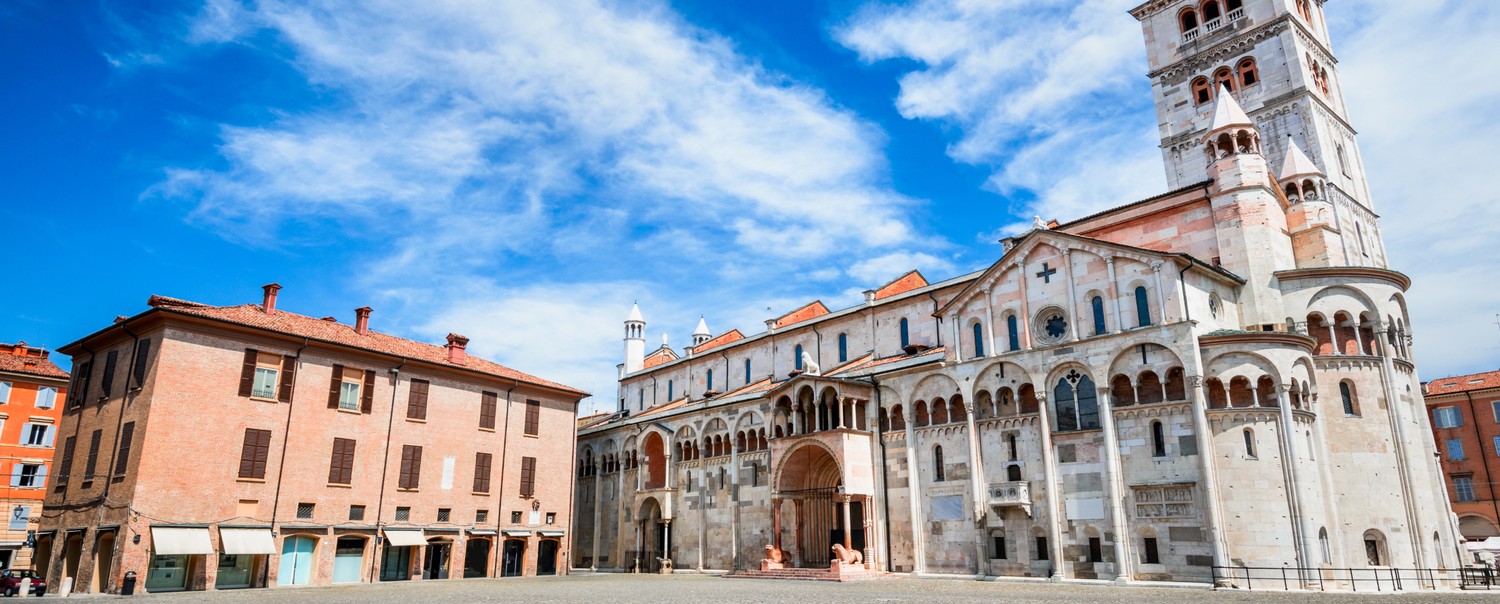
The Cathedral of San Geminiano in Modena stands as a breathtaking testament to Romanesque artistry and spiritual devotion—a UNESCO World Heritage site that continues to inspire awe centuries after its construction began. More than just stone and mortar, it embodies the spirit of medieval Italy, offering visitors an unparalleled opportunity to immerse themselves in history and appreciate the enduring legacy of artistic achievement.- Architectural Grandeur: Constructed in the early twelfth century, the cathedral’s design is characterized by harmonious proportions and impressive scale. Its façade dominates Piazza San Marco, reflecting the ambition of its patrons—the Este family—who sought to establish Modena as a prominent ecclesiastical center.
- Sculptural Treasures: Inside, visitors are greeted by monumental sculptures crafted by Wiligelmo and Giovanni Pisano, demonstrating exceptional skill in capturing human form and conveying religious emotion. These figures dominate the cathedral’s interior, serving as powerful reminders of faith and artistic mastery.
The cathedral's collection boasts remarkable pieces reflecting the cultural vibrancy of its time. Among these treasures are Flemish tapestries—woven with meticulous detail—that depict biblical narratives and showcase the sophisticated craftsmanship of Flanders during the Renaissance. These textiles provide invaluable insight into the aesthetic sensibilities of the era.
- Sacred Relics: The cathedral houses significant religious relics, including fragments of Saint Geminiano’s tunic—a symbol of Modena’s patron saint and a focal point for pilgrimage.
- The San Geminiano Altarolo: Dominating the nave is an altar piece created by Giovanni Battista Sant'Anna and Alessandro Filipepi, known as Botticelli. This masterpiece exemplifies Florentine Renaissance style, utilizing vibrant colors and graceful drapery to convey spiritual grandeur.
Beyond its artistic treasures, Modena Cathedral Museums offer a captivating journey through medieval history. Interactive exhibits illuminate the cathedral’s role in shaping the city's identity and fostering religious piety. Guided tours delve into the stories behind the sculptures, tapestries, and relics—providing visitors with a deeper understanding of their significance.
Notable Exhibitions & Artistic Influences
Recent exhibitions have explored connections between Modena Cathedral Museums and broader artistic movements across Europe. Researchers have analyzed stylistic parallels between Botticelli’s altarolo and other Renaissance masterpieces, highlighting the cathedral's influence on artistic innovation.Furthermore, scholars have investigated the symbolism embedded in the cathedral’s sculptures—particularly Wiligelmo’s depiction of Saint Geminiano—examining how these images conveyed theological concepts and reinforced Christian beliefs.