A Baroque Masterpiece in the Heart of Dorsoduro
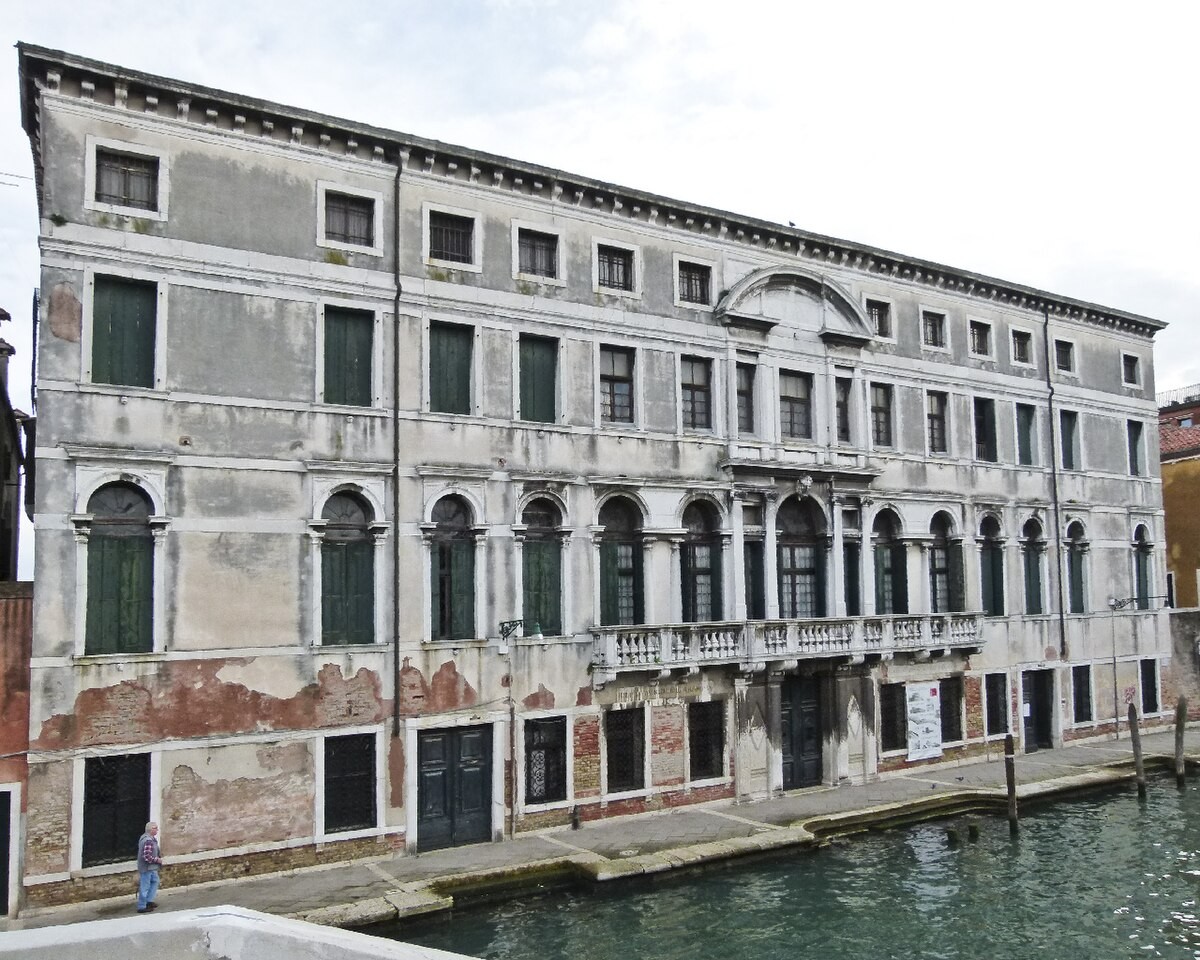
In the quiet, labyrinthine streets of Venice’s Dorsoduro district, away from the frenetic energy of San Marco, lies a sanctuary of serene intimacy known as Ca' Zenobio degli Armeni . This magnificent palazzo, which faces the tranquil waters of the Rio dei Carmini, offers more than just a glimpse into the past; it provides an immersive journey into the very soul of the Venetian Baroque. Originally built upon the foundations of a 14th-century Gothic residence, the palace we see today is a triumph of late-Baroque architectural ambition. Commissioned by the wealthy Zenobio family and brought to life by the architect Antonio Gaspari , the structure embodies the grandeur and symmetry that defined an era of unparalleled Venetian prosperity.
To enter Ca' Zenostio is to step into a world where stone and pigment conspire to tell stories of nobility and devotion. The architecture itself serves as a dramatic stage for the treasures held within. As one wanders through its halls, the interplay of light and shadow—a hallmark of the Baroque spirit—reveals the meticulous craftsmanship of Istrian stone and elaborate stucco work. For the interior designer or lover of classical aesthetics, the palazzo offers an unparalleled study in how structural elegance can harmonize with opulent ornamentation to create a space that feels both monumental and profoundly personal.
The Celestial Splendor of the Sala degli Specchi
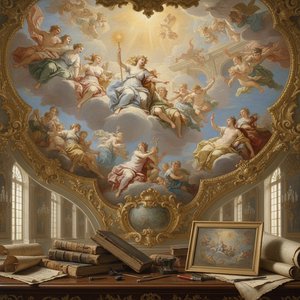
The true heart of the museum beats within the Sala degli Specchi , or Mirror Hall, a room so breathtaking it seems to defy the boundaries between reality and illusion. Here, the ceiling and walls dissolve into celestial visions, thanks to the masterful frescoes of two titans of Venetian painting: Giovanni Battista Tiepolo and Nicolas Dorigny . Tiepolo, the undisputed master of luminous color and theatrical composition, infused the space with a sense of infinite sky, while Dorigny’s contributions added a layer of soft, contemplative grace. These frescoes are not merely decorations; they are windows into the humanist ideals and the soaring aspirations of the Venetian aristocracy.
This hall serves as a profound reminder of the power of art to transform physical space into a spiritual experience. The way the light catches the gilded details and the sweeping brushstrokes of the masters creates a rhythmic, almost musical atmosphere. For collectors and art historians, witnessing the convergence of Tiepolo’s monumental energy and Dorigny’s delicate touch provides a rare opportunity to appreciate the zenith of Venetian decorative painting in its original, intended context.
A Legacy of Culture and Global Connection
Beyond its architectural and painterly triumphs, Ca' Zenobio holds a unique place in the cultural tapestry of Venice due to its historical evolution. In the mid-19th century, the palace transitioned from a private aristocratic residence to a vital center for the Armenian community, eventually becoming home to the prestigious Armenian Moorat-Raphael College . This shift infused the building with a new layer of intellectual and spiritual significance, turning a monument of wealth into a vessel for education and cultural preservation. The museum’s collection reflects this diverse heritage, encompassing works that celebrate the breadth of Venetian artistry, from the serene spirituality of Giovanni Bellini to the vibrant, technical mastery of Titian .
The experience of Ca' Zenobio is further enriched by its surrounding grounds. The palace boasts a remarkable private garden, featuring a neoclassical pavilion or casino designed by the architect Tommaso Temanza . This lush, romantic retreat offers a moment of quietude, allowing visitors to reflect on the masterpieces they have just encountered. Whether one is drawn by the historical weight of the Zenobio lineage, the technical brilliance of the Baroque masters, or the peaceful beauty of its hidden gardens, Ca' Zenobio degli Armeni remains an essential destination for anyone seeking to understand the enduring, luminous legacy of Venice.