

Table of Contents
Quick Facts
- Mediums:
- acrylic on canvas
- fresco
- Movements:
- baroque
- early renaissance
- renaissance
- renaissance early
- Art types:
- other
- wallart
- Works on APS: 15
- More…
- Featured artists:
- Luca Signorelli
- Melozzo da Forlì
- Location: Loreto Marches, Italy
- Historical periods: renaissance
Art Quiz
There is only one correct answer for each question.
Question 1:
What architectural style dominates the Basilica of Santa Casa?
Question 2:
Who is renowned for his altarpieces depicting scenes from Mary's life?
Question 3:
The Basilica’s campanile offers panoramic views of:
Question 4:
What is the Holy House believed to be?
Question 5:
Which artistic treasure showcases intricate geometric patterns and vibrant colors?
Exhibited Artists

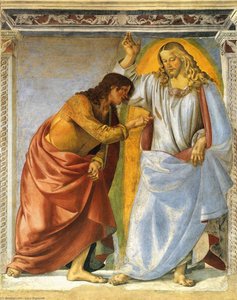
Luca Signorelli
Luca Signorelli (c. 1450-1523) was a pivotal Italian Renaissance painter known for dramatic frescoes, masterful draftsmanship, and innovative use of foreshortening. Explore his masterpieces like 'The Last Judgment' at Orvieto Cathedral & discover his


Melozzo da Forlì
Discover Melozzo da Forlì (1438-1494), Renaissance master of perspective & foreshortening! Explore his frescoes, influence on Raphael & Mantegna, and innovative style.
Related Articles

Illuminating the Enlightenment: A Comprehensive Exploration of 18th-Century Painting
Explore the captivating world of 18th-century painting! Discover Rococo's playful elegance & Neoclassicism’s Enlightenment ideals with expert insights into Fragonard, David, and more. A comprehensive guide for art enthusiasts.

Lorenzo Lotto: Unveiling the Enigma of a Venetian Master's Portraits
Explore the captivating world of Lorenzo Lotto, a Venetian Renaissance master renowned for his psychologically insightful portraits & enigmatic symbolism. Discover his life, style, and rediscovered legacy with OriginalUniqueArt.
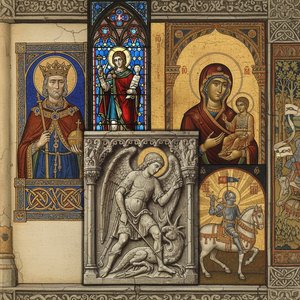
Illuminating Faith & Power: A Journey Through Medieval Art (c. 500 – c. 1500)
Explore the rich history of Medieval Art (c. 500 – c. 1500) with OriginalUniqueArt. Discover Byzantine mosaics, Gothic cathedrals & Renaissance masterpieces. Expert insights & museum-quality reproductions.
List of Artworks






Subscribe to Our Newsletter
Stay updated with the latest art news, exclusive offers, and decoration ideas.
Get 3 Free Art Suggestions
Tell us about your project and our art experts will provide you with 3 personalized art suggestions.
Not Sure Where to Start?
Let Us Curate 3 Options Just for You - Free!