



A Legacy Forged in Resilience: The Baltimore Museum of Art’s Enduring Story
Nestled within the vibrant heart of Baltimore, Maryland, the Baltimore Museum of Art stands as a testament not only to artistic achievement but also to the city's remarkable capacity for renewal. Founded amidst the ashes of the devastating Great Baltimore Fire of 1904 – an event that tragically consumed much of the downtown landscape – the museum’s origins are inextricably linked to a collective determination to rebuild and foster a thriving cultural life. From its humble beginnings as a single painting, “Mischief” by William Sergeant Kendall, donated by the city's benefactor Dr. A.R.L. Dohme, the BMA has blossomed into one of America’s premier repositories for modern and contemporary art, a beacon illuminating the rich artistic heritage of both Baltimore and the nation as a whole. The museum’s story is interwoven with the very fabric of the city – a dynamic metropolis that embraces innovation while cherishing its deep-rooted history, mirroring the BMA's own evolution from a nascent institution to a globally recognized cultural landmark.
The building itself, designed by the celebrated architect John Russell Pope in 1929, is an embodiment of neoclassical elegance and architectural harmony. Pope masterfully blended monumental proportions with graceful curves, creating a space that seamlessly integrates natural light and sculptural grandeur. Two meticulously landscaped gardens, adorned with sculptures commissioned specifically for the museum – works by luminaries like Constantin Brâncuși and Alexander Calder – further enhance this sense of tranquility and artistic immersion. These outdoor spaces invite contemplation amidst the beauty of art and nature, offering visitors a respite from the urban bustle while underscoring the BMA’s commitment to creating a holistic and enriching experience.
A Symphony of Color and Form: The Cone Collection and Beyond
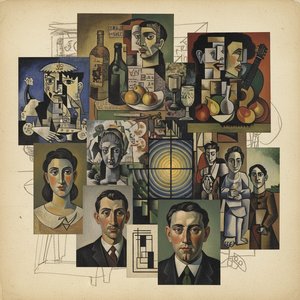
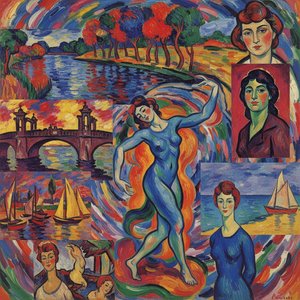
At the heart of the Baltimore Museum of Art's renowned collection lies the extraordinary Cone Collection, a singular bequest from Baltimore sisters Claribel and Etta Cone that fundamentally reshaped American art history. This remarkable assemblage, encompassing over 1,000 masterpieces, is anchored by Henri Matisse’s vibrant canvases – works brimming with color, energy, and an unparalleled sense of joy. Beyond Matisse's captivating visions, the collection reveals a dazzling array of Impressionist landscapes, portraits imbued with psychological depth, and sculptures that capture fleeting moments of grace. The Cone Collection represents a pivotal moment in art history, demonstrating the sisters’ discerning eye for talent and their dedication to championing groundbreaking artistic voices.
However, the BMA's story doesn’t end with the Cone Collection. The museum boasts an expansive holdings that extends far beyond Impressionism, encompassing works from Africa – a collection celebrated for its profound cultural significance and offering a window into diverse artistic traditions; European and American decorative arts spanning centuries, showcasing exquisite craftsmanship and reflecting evolving aesthetic sensibilities; and Asian art, including textiles and ceramics that exemplify the artistry and sophistication of various cultures. The museum’s commitment to diversity is evident in its carefully curated selection, which reflects the global nature of artistic expression and celebrates the contributions of artists from around the world.
Architectural Grandeur: Pope's Vision of Harmony
The BMA’s physical presence embodies architectural elegance and reflects the spirit of its founding moment. Designed in 1929 by celebrated American architect John Russell Pope—a master of neoclassical design—the museum’s building occupies a prominent position on North Charles Street, overlooking Wyman Park—a verdant oasis offering respite from the urban bustle. Pope skillfully blended monumental proportions with graceful curves, creating a space that harmoniously integrates natural light and sculptural grandeur. The building's facade is punctuated by elegant columns and arches, while expansive windows flood the galleries with sunlight, illuminating the artworks within. The careful attention to detail—from the meticulously crafted stonework to the soaring ceilings—creates an atmosphere of both formality and warmth, inviting visitors to immerse themselves in the world of art.
Two landscaped gardens adorn the exterior, populated by sculptures commissioned specifically for the museum – works by artists such as Constantin Brâncuși and Alexander Calder – that complement the building’s architectural splendor and invite contemplation amidst the beauty of art and nature. These outdoor spaces serve as a seamless extension of the museum's interior, blurring the boundaries between indoors and outdoors and creating a truly immersive experience for visitors.
A Contemporary Voice: Innovation and Dialogue in the 21st Century
Today, the BMA continues to champion artistic innovation and foster dialogue across cultures – a mission rooted in its founding principles and sustained by ongoing collaborations with artists, scholars, and communities worldwide. Exhibitions explore pressing social issues—from environmental sustainability to racial justice—illuminating the role of art as a vehicle for critical reflection and transformative change. The museum’s curators strive to engage visitors on multiple levels—intellectually stimulating their curiosity while fostering empathy and broadening perspectives on human experience.
Furthermore, Gertrude’s Chesapeake Kitchen – operated by acclaimed chef John Shields – offers visitors a unique culinary experience alongside the museum's artistic treasures – a testament to Baltimore’s commitment to fostering creativity in all its forms. The BMA remains dedicated to serving as a vital cultural hub for the city and beyond, continually evolving to meet the needs of its diverse community while upholding its legacy of artistic excellence.