

A Palace of Paper and Light: The Austrian National Library
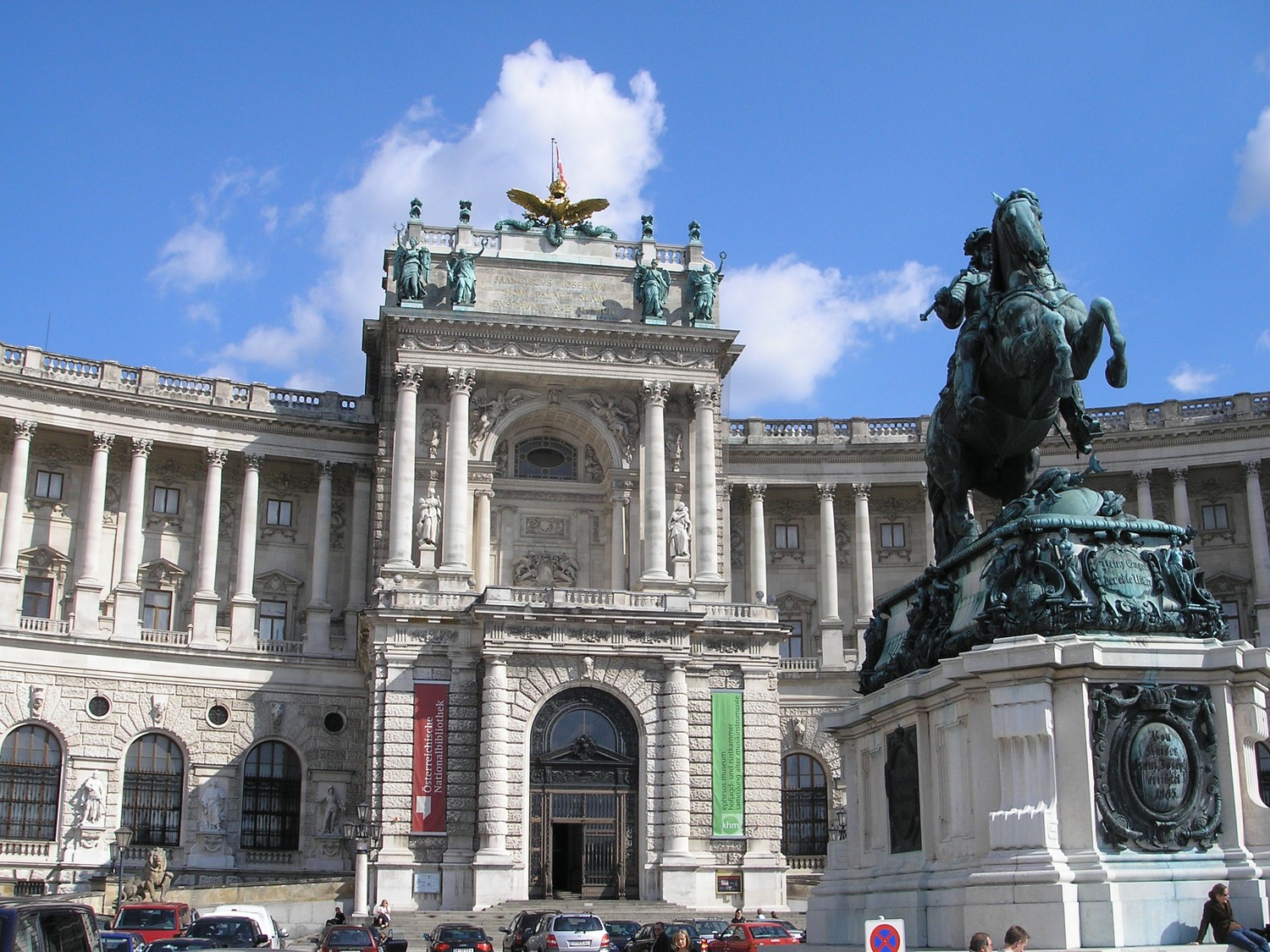
Nestled within the sprawling majesty of the Neue Burg wing of Vienna’s Hofburg Palace, the Austrian National Library is far more than a repository for books; it is a breathtaking embodiment of Austria's intellectual soul. To step across its threshold is to be transported—to inhale the delicate scent of aged paper and vellum, to stand dwarfed by soaring Baroque architecture, and to feel the weight of centuries of accumulated knowledge pressing in with quiet grandeur. It’s an experience that transcends mere sightseeing; it’s a communion with European scholarship itself.
The Library's origins are surprisingly humble, beginning in the Middle Ages with Duke Albert III’s royal collection—a focused assembly of Latin texts and translations. This seed of learning blossomed under successive Habsburg rulers, each adding to the holdings through strategic acquisitions and generous donations. The marriage of Maximilian I proved particularly fruitful, bringing a wealth of new volumes into the growing library. Through unwavering dedication, the collection evolved into an unparalleled center for intellectual exploration, eventually amassing over 12 million items—a true microcosm of European history and artistic achievement encompassing rare manuscripts, ancient books, archival documents, maps, and musical scores.
The State Hall: A Baroque Triumph
The heart of the Austrian National Library, and arguably its most stunning feature, is the State Hall. Completed in the early 18th century under Emperor Charles VI, it’s a space designed to inspire awe. Imagine an expanse nearly 80 meters long and 30 meters high, flooded with natural light streaming through colossal windows. Walls are lined with intricately crafted wooden bookshelves, holding over 200,000 historical volumes—a testament to the power of the written word. But it is Daniel Gran’s monumental fresco that truly captivates. Celebrating Charles VI's ascension to the throne, the ceiling explodes with allegorical figures representing wisdom, justice, and power – a visual symphony perfectly encapsulating the Baroque period’s love for grandeur and idealism. The sheer scale isn’t merely decorative; it is a deliberate statement of Habsburg commitment to intellectual pursuits and artistic excellence.
Echoes of Patronage: Treasures Within
The State Hall's beauty is inseparable from its contents, which offer a tangible link to the tastes and interests of generations past. The carefully curated collection isn’t simply about literary masterpieces; it reveals the evolving cultural landscape shaped by those who commissioned and collected these works. Among the most prized possessions are the vibrant red, blue, and yellow Morocco leather-bound volumes from the library of Prince Eugene of Savoy—a renowned military leader with a passionate devotion to the arts. Equally compelling is the extensive collection of Reformation writings by Martin Luther, offering a fascinating glimpse into the religious fervor that swept across Europe. These books aren’t just objects; they are pivotal moments in history, preserved within these walls.
Illuminated Histories and Ongoing Legacy
The Austrian National Library's treasures extend beyond textual records to encompass exceptional artistic creations. The Golden Gospels of Holy Albert , dating back to 1368, is the oldest book in the collection—a stunning example of medieval illumination crafted with exquisite gold lettering and intricate depictions of biblical scenes. These manuscripts are not merely texts but works of art, reflecting the skill and dedication of the scribes and artists who painstakingly executed them. The Fugger Newspapers , representing one of the earliest instances of periodic printed news from approximately 17,000 sheets, provide a fascinating glimpse into Renaissance political and economic developments. The Library’s impressive collection of medieval manuscripts and incunabula – books printed before 1501 – presents scholars with unparalleled opportunities to study the genesis of written language and book production—a cornerstone of Western civilization.
Today, the Austrian National Library is a living institution, actively engaged in disseminating knowledge through regular exhibitions that showcase both historical treasures and cutting-edge research. Dedicated conservation specialists tirelessly safeguard its irreplaceable collection, ensuring its legacy endures for future generations. A visit to the library isn’t simply a step back in time; it's an affirmation of Austria’s enduring contribution to European culture—a testament to the transformative power of preserving history and nurturing intellectual exploration.