
Ask for the famous artists of the Musée Fabre and you will hear of Peter Paul Rubens, Eugène Delacroix, Gustave Courbet and Nicolas Poussin.
Below, the 25 best-known of the 232 artists with works of the Musée Fabre in our catalogue (446 works), each with what the museum holds of them.
The masters of the originals
The 10 masters whose originals hang in the Musée Fabre
For each master: where and when they were born, their movement, how many originals the museum keeps in our catalogue, a note from their life, and the originals to see.
-

Baroque
1. Peter Paul Rubens 1577–1640
1577–1640 Born in Siegen, Germany Baroque 2 originals at the Musée Fabre
Born on 28 June 1577 in Siegen, Germany, his early years were shaped by the religious instability of the era. By the time he began working with Otto van Veen between 1594 and 1598, Rubens had already acquired the technical vocabulary necessary to move beyond simple representation into the realm of sophisticated narrative art. In 1600, Rubens left the Low Countries for Italy, a move that fundamentally altered his visual language.
Originals at the Musée Fabre
-

Romanticism
2. Eugène Delacroix 1798–1863
1798–1863 Born in Saint-Maurice, France Romanticism 9 originals at the Musée Fabre
The lineage of Eugène Delacroix is rooted in a blend of craftsmanship and diplomacy. Through him, the artist received numerous anonymous commissions, allowing his work to circulate through elite circles under a veil of discretion.
Originals at the Musée Fabre
-

Realism
3. Gustave Courbet 1819–1877
1819–1877 Born in Ornans, France Realism 18 originals at the Musée Fabre
Jean Désiré Gustave Courbet was born on June 10, 1819, in Ornans, France. Growing up in the department of Doubs, his early years were shaped by the landscape of his home. In 1839, he moved to Paris. Later, Bruyas commissioned The Meeting, also known as Bonjour Monsieur Courbet, which reflected this established connection between patron and painter. In 1855, rather than retreating, Courbet took a more direct approach to his audience.
Originals at the Musée Fabre
-

Baroque
4. Nicolas Poussin 1594–1665
1594–1665 Born in Le Havre, France Baroque 3 originals at the Musée Fabre
Born in June 1594, his early development was not a product of sudden inspiration but of structured, methodical training. By 1612, Nicolas Poussin had moved to Paris, where he remained until 1623. Poussin arrived in Rome in 1624, having traveled via Venice.
Originals at the Musée Fabre
-

Neoclassicism
5. Jacques-Louis David 1748–1825
1748–1825 Born in Paris, France Neoclassicism 5 originals at the Musée Fabre
Born into the merchant-and-artisan middle class of Paris, Jacques-Louis David’s early years were marked by a sudden, sharp disruption. The trajectory of David’s development shifted decisively in 1775 when he traveled to Italy alongside his teacher, Joseph Vien. During these years, David was introduced to Raphael Mengs, a figure who advocated for a rigorous, disciplined study of classical sources.
Originals at the Musée Fabre
-

Neoclassicism
6. Jean-Auguste-Dominique Ingres 1780–1867
1780–1867 Born in Montauban, France Neoclassicism 2 originals at the Musée Fabre
Even while immersed in the Italian tradition, he maintains a connection to the French art scene, regularly sending paintings back to the Paris Salon to ensure his presence in the capital remains constant.
Originals at the Musée Fabre
-

Romanticism
7. Théodore Géricault 1791–1824
1791–1824 Born in Rouen, France Romanticism 4 originals at the Musée Fabre
From 1810 to 1815, the Louvre became Géricault's true academy. Inspired by the harrowing true story of the shipwreck of the French frigate Méduse in 1816, where negligence and incompetence led to unimaginable suffering for its passengers, the painting is a visceral portrayal of desperation, hope, and despair.
Originals at the Musée Fabre
-

Romanticism
8. Jean-Baptiste-Camille Corot 1796–1875
1796–1875 Born in Paris, France Romanticism 4 originals at the Musée Fabre
French Realist of atmospheric landscapes and soft vegetation, using thin washes and loosely dabbed strokes to capture the play of light. Jean-Baptiste-Camille Corot was born in Paris in 1796. Between 1821 and 1822, he studied under Achille Etna Michallon.
Originals at the Musée Fabre
-

Baroque
9. Francisco de Zurbarán 1598–1664
1598–1664 Born in Fuente de Cantos, Spain Baroque 2 originals at the Musée Fabre
Francisco de Zurbarán was born in 1598 in the small town of Fuente de Cantos, located in the Extremadura region of Spain. By 1629, Zurbarán’s life in Seville had become a bustling affair. As his reputation grew, his workshop became a productive hub, eventually producing paintings intended for export to South America starting in the late 1630s.
Originals at the Musée Fabre
-

Rococo
10. Jean-Honoré Fragonard 1732–1806
1732–1806 Born in Grasse, France Rococo 2 originals at the Musée Fabre
Before picking up a brush as a professional, Jean-Honoré Fragonard is apprenticed to a Paris notary, a practical detour into the world of legal documentation.
Originals at the Musée Fabre


The masters, continued
No. 11 to No. 25: more masters of the Musée Fabre
-

11. Jacob van Ruisdael
Dutch Golden Age
1628–1682 · born in Haarlem, Netherlands · 3 originals at the Musée Fabre
-

12. Pieter Brueghel the Younger
Northern Renaissance
1564–1638 · born in Brussels, Belgium · 2 originals at the Musée Fabre
Flemish painter of detailed peasant festivities and atmospheric landscapes, known for prolific workshop copies of his father's famous works.
- Tête de Lansquenet (1608)
- Rixe de paysans (1620)
-

Dutch Golden Age genre painter of boisterous, chaotic households and humorous scenes filled with psychological depth and vibrant color.
-

14. Frédéric Bazille
Impressionism
1841–1870 · born in Montpellier, France · 22 originals at the Musée Fabre
French Impressionist who combined structured figure painting with plein air landscapes to capture the warmth of natural light.
- La Toilette (1870)
- The Scoter (1864)
- Petite Italienne chanteuse des rues (1866)
-

Spanish Baroque painter of intense tenebrism and raw realism, famed for dramatic martyrdoms and portraits of humble beggars.
-

16. Maurice Denis
Post-Impressionism
1870–1943 · born in Granville, France · 2 originals at the Musée Fabre
French Symbolist and Nabis member known for flattened forms, vibrant colors, and spiritual themes that bridge Impressionism and modern art.
- Autoportrait (1919)
- Portrait of Elisabeth Denis (1922)
-

17. Jean-Baptiste Greuze
Rococo
1725–1805 · born in Tournus, France · 9 originals at the Musée Fabre
- Young Girl with Hands Joined (1780)
- A young girl (1750)
- Buste du paralytique (1773)
-
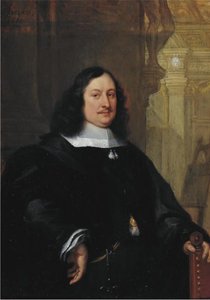
18. David Teniers the Younger
Flemish Baroque
1610–1690 · born in Antwerp, Belgium · 5 originals at the Musée Fabre
Flemish Baroque painter of lively peasant festivals, tavern interiors, and detailed singerie scenes featuring monkeys in human attire.
-

19. Gabriel Metsu
Dutch Golden Age
1629–1667 · born in Leiden, Netherlands · 2 originals at the Musée Fabre
Dutch Golden Age painter of intimate domestic interiors, capturing light on silk sleeves and the quiet details of market scenes in Amsterdam.
-

20. Alexandre Cabanel
Academic Art
1823–1889 · born in Montpellier, France · 20 originals at the Musée Fabre
French academic realist known for polished figures and the sensual grace of The Birth of Venus, rendered with meticulous, smooth brushwork.
- Fallen Angel (1847)
- John the Baptist (1849)
- La Chiaruccia (1848)
-

21. Joseph Marie Vien
Neoclassicism
1716–1809 · born in Montpellier, France · 8 originals at the Musée Fabre
French Neoclassical painter of mythological scenes and portraits who bridged Rococo and Classicism with graceful, elegant compositions.
- Vieillard endormi (1754)
- Saint Jean-Baptiste (1746)
- Josué arrêtant le soleil (esquisse) (1743)
-

French painter of atmospheric seascapes and dramatic storms, known for his crystalline skies and detailed views of bustling French seaports.
- Marine, Calm (1745)
- Around a Fair (1774)
-

Italian Baroque painter known for dramatic chiaroscuro and luminous biblical scenes that capture intense human emotion and psychological depth.
- Saint-Jean-Baptiste (1661)
- Saint François d'Assise en méditation (1619)
-

24. Jan van Huysum
Baroque
1682–1749 · born in Amsterdam, Netherlands · 2 originals at the Musée Fabre
Dutch Golden Age painter of elegant floral arrangements and fruit, known for enamel-like surfaces and hyper-realistic dew drops.
-

25. Gerard ter Borch
Dutch Golden Age
1617–1681 · born in Zwolle, Netherlands · 2 originals at the Musée Fabre
- Young Woman Filling her Glass (1650)
- Fight over Cards (1675)
Famous artists in the Musée Fabre, No. 26 to 50
 Nicolaes Pieterszoon Berchem1620–1683 · 3 originals at the Musée Fabre
 Pierre Auguste Cot1837–1883 · 2 originals at the Musée Fabre
 François André Vincent1746–1816 · 3 originals at the Musée Fabre
 Philips Wouwerman1619–1668 · 4 originals at the Musée Fabre
 Sébastien Bourdon1616–1671 · 7 originals at the Musée Fabre
 Charles-Joseph Natoire1700–1777 · 2 originals at the Musée Fabre
 Jan Frans van Bloemen1662–1749 · 3 originals at the Musée Fabre
 Nicolas François Octave Tassaert1800–1874 · 12 originals at the Musée Fabre
 Jean-François de Troy1679–1752 · 2 originals at the Musée Fabre
 Louis Jean François Lagrenée1756–1827 · 2 originals at the Musée Fabre
 Charles Antoine Coypel1694–1752 · 2 originals at the Musée Fabre
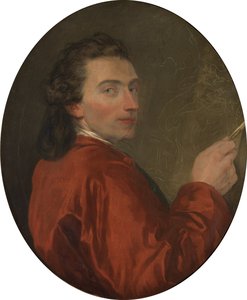 Joseph Benoit Suvée1743–1807 · 2 originals at the Musée Fabre
 François Marius Granet1775–1849 · 3 originals at the Musée Fabre
 Jean Restout1692–1768 · 2 originals at the Musée Fabre
 Christian Wilhelm Ernst Dietrich1712–1774 · 3 originals at the Musée Fabre
 Cigoli1559–1613 · 2 originals at the Musée Fabre
 Henri Lehmann1814–1882 · 2 originals at the Musée Fabre
 Hortense Haudebourt Lescot1784–1845 · 4 originals at the Musée Fabre
 Pieter van Bloemen1657–1720 · 2 originals at the Musée Fabre
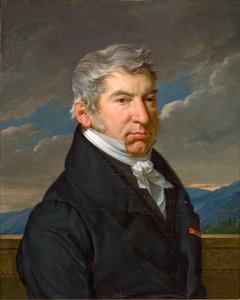 François Xavier Fabre1766–1837 · 21 originals at the Musée Fabre
 Thomas Wijck1616–1677 · 2 originals at the Musée Fabre
 Joseph Désiré Court1797–1865 · 4 originals at the Musée Fabre
 Jules Laurens1825–1901 · 5 originals at the Musée Fabre
 Auguste-Barthélemy Glaize1807–1893 · 5 originals at the Musée Fabre
 Jean Ranc1674–1735 · 5 originals at the Musée Fabre
The house in figures
The masters of the Musée Fabre, in figures
The masters with the most originals at the Musée Fabre
Masters with two originals or more, by century of birth
Masters with two originals or more, by country of birth
Masters with two originals or more, by movement
Women masters
The women whose originals hang in the Musée Fabre
10 women masters, 15 originals, in our catalogue of the Musée Fabre.
-
Hortense Haudebourt Lescot
1784–1845 · born in Paris, France · 4 originals at the Musée Fabre
- The Fortune Teller (1815)
- The Miller, His Son, and the Donkey (1819)
- Italian family scene (1828)
-

Jenny Legrand
1750–1850 · born in Paris, France · 3 originals at the Musée Fabre
- La Marchande de poissons (1814)
- Kitchen's interior (1814)
- Intérieur de cuisine (1814)
-

Berthe Morisot
1841–1895 · born in Bourges, France · 1 originals at the Musée Fabre
-

Suzanne Valadon
1865–1938 · born in Bessines-sur-Gartempe, France · 1 originals at the Musée Fabre
-

Marie Bracquemond
1840–1916 · born in Landunvez, France · 1 originals at the Musée Fabre
- Pierre Painting a Bouquet (1887)
-

Adèle Romany
1769–1846 · born in Paris, France · 1 originals at the Musée Fabre
- Portrait of Antoine Valedau (1809)
-

Maria Giovanna Clementi
1690–1761 · born in Turin, Italy · 1 originals at the Musée Fabre
-

Pauline Gauffier
1772–1801 · born in Rome, Italy · 1 originals at the Musée Fabre
- The Stolen Bird (1795)
Asked of us
Questions on the masters of the Musée Fabre
Open a question to read the answer.
Who is the most famous artist in the Musée Fabre?
Peter Paul Rubens (1577–1640): our catalogue holds 2 works by Peter Paul Rubens at the Musée Fabre, among them Portrait of the painter Frans Francken the Elder and Allegory of Catholic Austria attacked by hostile Protestants. Eugène Delacroix and Gustave Courbet follow.
What did Peter Paul Rubens paint that hangs in the Musée Fabre?
2 works by Peter Paul Rubens at the Musée Fabre are in our catalogue: Portrait of the painter Frans Francken the Elder (1615) and Allegory of Catholic Austria attacked by hostile Protestants (1621) among them.
What did Eugène Delacroix paint that hangs in the Musée Fabre?
9 works by Eugène Delacroix at the Musée Fabre are in our catalogue: Daniel dans la fosse aux lions (1849), Women of Algiers in Their Apartmente (1849), Portrait of Alfred Bruyas (1853) and Michelangelo in His Studio (1850) among them.
What did Gustave Courbet paint that hangs in the Musée Fabre?
18 works by Gustave Courbet at the Musée Fabre are in our catalogue: The Meeting Bonjour Monsieur Courbet, The Meeting or Bonjour Monsieur Courbet (1854), The Bathers (1853) and Self-Portrait (Man with Pipe) (1848) among them.
Which ten artists should I look for in the Musée Fabre?
By fame: Peter Paul Rubens (2), Eugène Delacroix (9), Gustave Courbet (18), Nicolas Poussin (3), Jacques-Louis David (5), Jean-Auguste-Dominique Ingres (2), Théodore Géricault (4), Jean-Baptiste-Camille Corot (4), Francisco de Zurbarán (2) and Jean-Honoré Fragonard (2).
Which artist has the most works in the Musée Fabre?
Our catalogue holds 22 works by Frédéric Bazille at the Musée Fabre; next come François Xavier Fabre (21), Alexandre Cabanel (20) and Gustave Courbet (18).
Is Leonardo da Vinci in the Musée Fabre?
No: the Musée Fabre holds no work by Leonardo da Vinci in our catalogue.
Is Pablo Picasso in the Musée Fabre?
No: the Musée Fabre holds no work by Pablo Picasso in our catalogue.
How many women artists are in the Musée Fabre?
Our catalogue lists 10 women artists with works at the Musée Fabre: Hortense Haudebourt Lescot (4), Jenny Legrand (3), Berthe Morisot (1), Suzanne Valadon (1), Marie Bracquemond (1) and Adèle Romany (1).
Where do the artists of the Musée Fabre come from?
Counting the artists with two works or more, the Musée Fabre holds painters born mostly in France (40), Netherlands (10), Belgium (6), Germany (3) and Spain (2).
Which centuries do the painters of the Musée Fabre belong to?
The 18th century leads with 24 artists born then. In this ranking, Pieter Brueghel the Younger (1564–1638) is the earliest born and Maurice Denis (1870–1943) the latest.
How many painters are represented in the Musée Fabre?
Our catalogue lists 232 artists with at least one work at the Musée Fabre, 63 of them with two or more, born between 1559 and 1870 in 6 countries.
The house
The Musée Fabre, Montpellier, in a few lines
A Legacy of Light and Form: the Soul of Musée Fabre
To walk through its galleries is to traverse time itself, moving seamlessly from the solemnity of the medieval period through the dramatic flourishes of the Baroque and into the experimental spirit of the 20th century.
A Canvas of European Brilliance
The true heartbeat of the Musée Fabre lies in its remarkably diverse collection, which possesses a particular strength in French and Italian painting. The collection’s breadth is further enriched by the exuberant energy of Peter Paul Rubens, whose Baroque mastery fills the canvas with movement, and the unflinching realism of Courbet, who captured the essence of everyday life with raw honesty.
The famous originals of the Musée FabreThe Musée Fabre: the full page, 451 originalsThe museums of Montpellier
How the masters of the originals are ranked
The masters with two originals or more of the Musée Fabre in our catalogue are ranked by fame: the Wikipedia language editions that describe them, the visits to their OriginalUniqueArt.com page and our studio's ranking. Originals are counted in our catalogue — one entry per work, without details, studies or copies — not in the museum's inventory. Every date, birthplace and movement is the catalogue's; the notes are drawn from the master's biography.
Go on