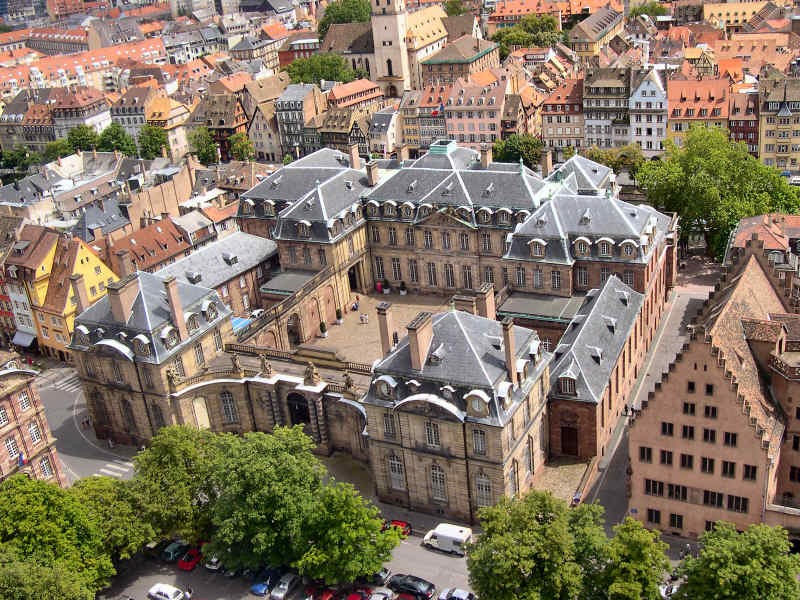
Ask for the famous artists of the Musée Des Beaux and you will hear of Peter Paul Rubens, Jacopo Tintoretto, Jean-Baptiste-Camille Corot and Giovanni Battista Tiepolo.
Below, the 25 best-known of the 297 artists with works of the Musée Des Beaux in our catalogue (403 works), each with what the museum holds of them.
The masters of the originals
The 10 masters whose originals hang in the Musée Des Beaux
For each master: where and when they were born, their movement, how many originals the museum keeps in our catalogue, a note from their life, and the originals to see.
-

Baroque
1. Peter Paul Rubens 1577–1640
1577–1640 Born in Siegen, Germany Baroque 4 originals at the Musée Des Beaux
Born on 28 June 1577 in Siegen, Germany, his early years were shaped by the religious instability of the era. By the time he began working with Otto van Veen between 1594 and 1598, Rubens had already acquired the technical vocabulary necessary to move beyond simple representation into the realm of sophisticated narrative art. In 1600, Rubens left the Low Countries for Italy, a move that fundamentally altered his visual language.
Originals at the Musée Des Beaux
-

Mannerism
2. Jacopo Tintoretto 1519–1594
1519–1594 Born in Venice, Italy Mannerism 2 originals at the Musée Des Beaux
Born Jacopo Robusti around 1518 in Venice, Italy, the man who would become known as Jacopo Tintoretto was shaped by the industrious atmosphere of his home. While he did experience a brief apprenticeship in the workshop of Titian, the experience was more a period of friction than a traditional education.
Originals at the Musée Des Beaux
-

Romanticism
3. Jean-Baptiste-Camille Corot 1796–1875
1796–1875 Born in Paris, France Romanticism 3 originals at the Musée Des Beaux
French Realist of atmospheric landscapes and soft vegetation, using thin washes and loosely dabbed strokes to capture the play of light. Jean-Baptiste-Camille Corot was born in Paris in 1796. Between 1821 and 1822, he studied under Achille Etna Michallon.
Originals at the Musée Des Beaux
-

Rococo
4. Giovanni Battista Tiepolo 1696–1770
1696–1770 Born in Venice, Italy Rococo 2 originals at the Musée Des Beaux
The family lived in Venice, where the boy was baptised on 16 April 1696 at the local church of San Pietro di Castello. In Germany, the Würzburg Residence holds some of Tiepolo's most expansive work.
Originals at the Musée Des Beaux
-

Early Netherlandish
5. Hans Memling 1435–1494
1435–1494 Born in Seligenstadt, Germany Early Netherlandish 5 originals at the Musée Des Beaux
The story of Memling, Hans begins in the Middle Main region, where he was born around 1430. Before he could make his mark in the great cities of the north, he had to learn the secrets of his craft. Between about 1455 and 1460, he moved into the bustling atmosphere of the Brussels workshop. Sometime between 1470 and 1480, he took Anna de Valkenaere as his wife.
Originals at the Musée Des Beaux
-

Northern Renaissance
6. Matthias Grünewald 1480–1528
1480–1528 Born in Würzburg, Germany Northern Renaissance 2 originals at the Musée Des Beaux
While the Italian Renaissance begins to favor the mathematical clarity of humanism and idealized proportions, a different energy is pulsing through the German lands. In Würzburg, Germany, a man named Mathis Gothart Neithardt—later known by the name Matthias Grünewald—is beginning to shape a vision that rejects the calm of the south. By 1503, the tension is palpable in his Mocking of Christ.
Originals at the Musée Des Beaux
-

Dutch Golden Age
7. Jacob van Ruisdael 1628–1682
1628–1682 Born in Haarlem, Netherlands Dutch Golden Age 3 originals at the Musée Des Beaux
Born in Haarlem, Netherlands, in 1628, Jacob Isaackszoon Van Ruisdael entered a world where art was a family trade. It is widely believed that Jacob Isaackszoon Van Ruisdael received his formal training under the guidance of his uncle, absorbing the nuances of the Dutch landscape through direct apprenticeship. By 1648, his professional standing was formalized when he became a member of the Haarlem painters' guild.
Originals at the Musée Des Beaux
-

Baroque
8. Jan Brueghel the Elder 1568–1625
1568–1625 Born in Brussels, Belgium Baroque 3 originals at the Musée Des Beaux
Born in Brussels in 1568, he was the younger son of the eminent Flemish Renaissance painter Pieter Bruegel the Elder. After his mother passed away in 1578, the family's circumstances shifted, and Jan was raised by his grandmother, Mayken Verhulst. Jan Brueghel the Elder moved through the artistic circles of the Spanish Netherlands with a natural ease, often working alongside others to bring complex visions to life.
Originals at the Musée Des Beaux
-
Barbizon School
9. Théodore Rousseau 1812–1867
1812–1867 Born in Paris, France Barbizon School 3 originals at the Musée Des Beaux
His father, initially resistant to his son's ambition to pursue art over business, eventually became a steadfast sympathizer, supporting Théodore through the turbulent conflicts he faced with the Paris Salon authorities.
Originals at the Musée Des Beaux
-

Northern Renaissance
10. Hans Baldung Grien 1485–1545
1485–1545 Born in Schwäbisch Gmünd, Germany Northern Renaissance 6 originals at the Musée Des Beaux
Born around 1485 in the Free Imperial City of Schwäbisch Gmünd, nestled within the rolling hills of Bavaria, Hans Baldung—forever distinguished as Hans Baldung Grien due to his penchant for wearing green attire—emerged from an unexpectedly scholarly lineage. Unlike many Renaissance artists who followed established family crafts, Baldung was the first male in generations not destined for university studies.
Originals at the Musée Des Beaux


The masters, continued
No. 11 to No. 25: more masters of the Musée Des Beaux
-

French Baroque painter who brought Italian dynamism to the court of Louis XIII through dramatic lighting and grand mythological scenes.
- Martyrdom of Saint Catherine (1620)
- Lot and His Daughters (1633)
-

12. Piero di Cosimo
Renaissance
1462–1522 · born in Florence, Italy · 3 originals at the Musée Des Beaux
Florentine Renaissance painter blending mythological fantasy with meticulous natural realism and whimsical, hybrid forms of man and animal.
-

13. Jan van Goyen
Dutch Golden Age
1596–1656 · born in Leiden, Netherlands · 2 originals at the Musée Des Beaux
Dutch Golden Age landscape painter of serene river scenes and expansive skies, rendered with a subtle, tonal palette of grays and greens.
-

14. Gerard David
Northern Renaissance
1460–1523 · born in Oudewater, Netherlands · 2 originals at the Musée Des Beaux
Early Netherlandish painter of luminous colors and serene religious scenes, known for immersive landscapes and detailed atmospheric perspective.
-
15. David Teniers the Younger
Flemish Baroque
1610–1690 · born in Antwerp, Belgium · 4 originals at the Musée Des Beaux
Flemish Baroque painter of lively peasant festivals, tavern interiors, and detailed singerie scenes featuring monkeys in human attire.
-

16. Willem Kalf
Baroque
1619–1693 · born in Rotterdam, Netherlands · 2 originals at the Musée Des Beaux
Dutch Golden Age painter of opulent pronkstilleven, featuring silver vessels, exotic fruits, and shimmering glassware in dramatic light.
-
17. Théodore Chassériau
Romanticism
1819–1856 · born in El Limón, Dominican Republic · 4 originals at the Musée Des Beaux
French Romantic painter blending Neoclassical precision with vibrant Orientalist scenes of North African life and dramatic historical subjects.
- Desdemona at Her Toilette (1849)
- Mazeppa (1851)
- Moorish Woman Leaving the Bath in the Seraglio (1854)
-

18. Emanuel de Witte
Dutch Golden Age
1617–1692 · born in Alkmaar, Netherlands · 2 originals at the Musée Des Beaux
Dutch Baroque painter of atmospheric church interiors, using light and perspective to capture the mood of sacred spaces in Amsterdam.
-

19. Giovanni Battista Cima da Conegliano
Italian Renaissance
1459–1517 · born in Conegliano, Italy · 2 originals at the Musée Des Beaux
Venetian Renaissance painter of serene Madonnas and saints, known for elegant symmetry, luminous color, and tranquil landscape backgrounds.
- Saint Roch (1502)
- Saint Sebastian (1502)
-

Italian Baroque painter of wild, rugged landscapes and dramatic, turbulent chiaroscuro scenes, often featuring rocky terrain and stormy skies.
- Self-portrait (1645)
- Landscape with Tobit and the Angel (1670)
-

21. Jacopo Bassano
High Renaissance
1510–1592 · born in Bassano del Grappa, Italy · 2 originals at the Musée Des Beaux
Venetian Renaissance painter of luminous religious scenes and rustic landscapes featuring peasants, animals, and dramatic nocturnal light.
-

22. Willem van de Velde the Younger
Dutch Golden Age
1633–1707 · born in Leiden, Netherlands · 2 originals at the Musée Des Beaux
Dutch Golden Age marine painter of precise naval vessels and atmospheric sea and sky scenes, known for his technical accuracy and rigging.
-

23. Abraham van Beijeren
Baroque
1620–1690 · born in The Hague, Netherlands · 2 originals at the Musée Des Beaux
Dutch Baroque painter of sumptuous pronkstillevens, featuring glistening seafood, fine glassware, and opulent banquet scenes.
- Still Life of Fish (1650)
- Fishing Boats on a Rough Sea (1650)
-

24. Sebastiano Ricci
Baroque
1659–1734 · born in Belluno, Italy · 2 originals at the Musée Des Beaux
Venetian Baroque painter of luminous, vigorous compositions and dynamic frescoes, bridging the gap between the Baroque and Rococo styles.
-

25. Nicolas de Largillière
Baroque
1656–1746 · born in Paris, France · 2 originals at the Musée Des Beaux
French Baroque portraitist of the Parisian elite, known for meticulous textures and sitters posed against Doric columns or holding letters.
- Portrait of a Man (1700)
- La Belle Strasbourgeoise (1703)
Famous artists in the Musée Des Beaux, No. 26 to 50
 Willem Claesz Heda1594–1680 · 2 originals at the Musée Des Beaux
 Aelbert Cuyp1620–1691 · 2 originals at the Musée Des Beaux
 Jean-Baptiste Oudry1686–1755 · 3 originals at the Musée Des Beaux
 Maerten van Heemskerck1498–1574 · 3 originals at the Musée Des Beaux
 Giuseppe Maria Crespi1665–1747 · 4 originals at the Musée Des Beaux
 Giovanni Battista Salvi da Sassoferrato1609–1685 · 2 originals at the Musée Des Beaux
 Simon de Vlieger1601–1653 · 2 originals at the Musée Des Beaux
 Hendrik Frans van Lint1684–1763 · 2 originals at the Musée Des Beaux
 Gerrit Adriaenszoon Berckheyde1638–1698 · 3 originals at the Musée Des Beaux
 Jan van Kessel the Elder1626–1679 · 2 originals at the Musée Des Beaux
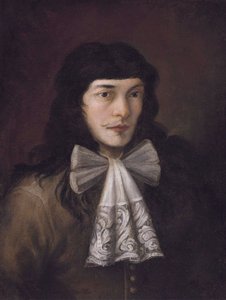 Alessandro Magnasco1667–1749 · 2 originals at the Musée Des Beaux
 Prospero Fontana1512–1597 · 2 originals at the Musée Des Beaux
 Philip James de Loutherbourg1740–1812 · 7 originals at the Musée Des Beaux
 Simon Marmion1425–1489 · 2 originals at the Musée Des Beaux
 Abraham van Diepenbeeck1596–1675 · 2 originals at the Musée Des Beaux
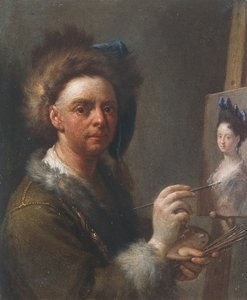 Francesco Trevisani1656–1746 · 2 originals at the Musée Des Beaux
 Frederik de Moucheron1633–1686 · 2 originals at the Musée Des Beaux
 Michiel Sweerts1618–1664 · 2 originals at the Musée Des Beaux
 Pieter Codde1599–1678 · 2 originals at the Musée Des Beaux
 Giovanni Cariani1485–1547 · 2 originals at the Musée Des Beaux
 Francesco Giuseppe Casanova1727–1803 · 2 originals at the Musée Des Beaux
 Michel Martin Drolling1786–1882 · 3 originals at the Musée Des Beaux
 Georges Michel1763–1843 · 2 originals at the Musée Des Beaux
 Jacques Linard1597–1645 · 2 originals at the Musée Des Beaux
 Claude Deruet1588–1660 · 5 originals at the Musée Des Beaux
The house in figures
The masters of the Musée Des Beaux, in figures
The masters with the most originals at the Musée Des Beaux
Masters with two originals or more, by century of birth
Masters with two originals or more, by country of birth
Masters with two originals or more, by movement
Women masters
The women whose originals hang in the Musée Des Beaux
4 women masters, 4 originals, in our catalogue of the Musée Des Beaux.
-

Anne Vallayer-Coster
1744–1818 · born in Paris, France · 1 originals at the Musée Des Beaux
- Nature morte au canard (1787)
-

Louise Moillon
1610–1696 · born in Paris, France · 1 originals at the Musée Des Beaux
-

Monique Daniche
1736–1824 · born in France · 1 originals at the Musée Des Beaux
- La famille d’Étienne Livio (1801)
-

Lucile Foullon-Vachot
1772–1827 · born in Bonneval, France · 1 originals at the Musée Des Beaux
Asked of us
Questions on the masters of the Musée Des Beaux
Open a question to read the answer.
Who is the best-known artist of the Musée Des Beaux?
Peter Paul Rubens, with 4 works at the Musée Des Beaux in our catalogue (Francis of Assisi, Holy Family and The Visitation); then Jacopo Tintoretto and Jean-Baptiste-Camille Corot.
What did Peter Paul Rubens paint that hangs in the Musée Des Beaux?
4 works by Peter Paul Rubens at the Musée Des Beaux are in our catalogue: Francis of Assisi (1630), Holy Family (1632), The Visitation (1611) and Christ Triumphant over Sin and Death (1618) among them.
How many Jacopo Tintoretto paintings are in the Musée Des Beaux?
2 works by Jacopo Tintoretto at the Musée Des Beaux are in our catalogue: The descent from the Cross (1580) and Portrait of a man among them.
How many Jean-Baptiste-Camille Corot paintings are in the Musée Des Beaux?
3 works by Jean-Baptiste-Camille Corot at the Musée Des Beaux are in our catalogue: Paysage du Morvan (1855), Ville-d'Avray. - Batelier sur l'étang (1860) and Freshness in the morning (1870) among them.
Who are the top 10 artists in the Musée Des Beaux?
The ten best-known artists with works in the Musée Des Beaux are Peter Paul Rubens (4), Jacopo Tintoretto (2), Jean-Baptiste-Camille Corot (3), Giovanni Battista Tiepolo (2), Hans Memling (5), Matthias Grünewald (2), Jacob van Ruisdael (3), Jan Brueghel the Elder (3), Théodore Rousseau (3) and Hans Baldung Grien (6).
Who has the most paintings in the collection of the Musée Des Beaux?
Philip James de Loutherbourg (—), with 7 works in our catalogue of the Musée Des Beaux, ahead of Hans Baldung Grien (6), Hans Memling (5) and Claude Deruet (5).
Is Leonardo da Vinci in the Musée Des Beaux?
No: the Musée Des Beaux holds no work by Leonardo da Vinci in our catalogue.
Are there Pablo Picasso works in the Musée Des Beaux?
No: the Musée Des Beaux holds no work by Pablo Picasso in our catalogue.
Which women artists are in the Musée Des Beaux?
Our catalogue lists 4 women artists with works at the Musée Des Beaux: Anne Vallayer-Coster (1), Louise Moillon (1), Monique Daniche (1) and Lucile Foullon-Vachot (1).
Are the artists in the Musée Des Beaux mostly French, Italian or Dutch?
By country of birth, the artists with two works or more at the Musée Des Beaux are mostly from France (18), Italy (13), Netherlands (13), Germany (9) and Belgium (5).
Who is the earliest artist in the Musée Des Beaux?
Most of the artists with two works or more at the Musée Des Beaux were born in the 17th century (23 artists); the earliest in this ranking is Hans Memling (1435–1494), the latest Théodore Chassériau (1819–1856).
How many painters are represented in the Musée Des Beaux?
Our catalogue lists 297 artists with at least one work at the Musée Des Beaux, 64 of them with two or more, born between 1425 and 1825 in 8 countries.
The house
The Musée Des Beaux, Strasbourg, in a few lines
A Palatial Journey Through Alsatian Art History
To step through its doors is to enter a realm where the architectural splendor of the Baroque era meets the transformative power of art. The museum’s very existence is inextricably linked to the narrative of Alsace itself—a story of resilience, rebirth, and an unyielding artistic ambition that has survived the tremors of revolution and the devastation of war. The history of this institution is etched in both triumph and tragedy. Born from the revolutionary fervor of 1801 through the expropriation of ecclesiastical lands, the museum was founded on the noble conviction that art should serve as an instrument of enlightenment for all citizens. While its early years were bolstered by strategic loans from the Louvre and generous donations from discerning patrons, the museum faced a harrowing period during the Franco-Prussian War in 1870. The destruction of its original home at the Aubette by Prussian artillery served as a catalyst for a magnificent reconstruction.
A Tapestry of Masters and Regional Brilliance
The museum’s core resides in an extraordinary assemblage of Old Master paintings that command attention through their technical mastery and emotional depth. Yet, what truly distinguishes the Musée des Beaux-Arts is its intimate connection to the Upper Rhenish tradition. The collection offers an unparalleled glimpse into the distinctive cultural landscape of Alsace, a region historically shaped by the delicate interplay between French and German influences.
The famous originals of the Musée Des BeauxThe Musée Des Beaux: the full page, 406 originalsThe museums of Strasbourg
How the masters of the originals are ranked
The masters with two originals or more of the Musée Des Beaux in our catalogue are ranked by fame: the Wikipedia language editions that describe them, the visits to their OriginalUniqueArt.com page and our studio's ranking. Originals are counted in our catalogue — one entry per work, without details, studies or copies — not in the museum's inventory. Every date, birthplace and movement is the catalogue's; the notes are drawn from the master's biography.
Go on