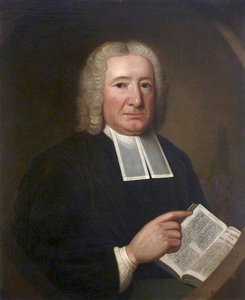
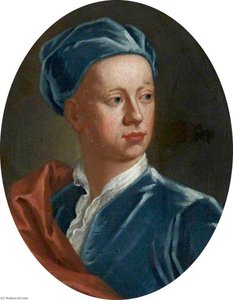
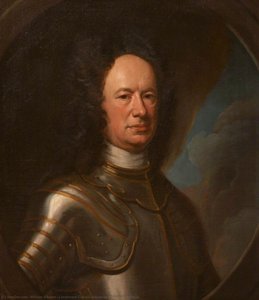
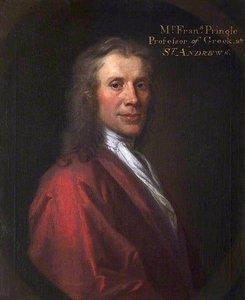
Portrait of William Aikman

The 65 Most Famous William Aikman Paintings, Each One of a Kind

Updated November 2026 · ranked by our popularity score (searches, visits and orders for each work) · 73 works by William Aikman in our catalogue

In short

John Campbell, Second Duke of Argyll and Duke of Greenwich (1680-1743) (1709) is the William Aikman painting that draws the most eyes; the original belongs to the Royal Collection, London. After it, the eye goes to Anne Dalrymple, Lady Steuart, d. 1736 (1710) and James Gibbs (1682-1754) holding a Plan of St Mary le Strand, London (1713). Among the 73 works of William Aikman in our catalog, these 65 are the most famous, each a unique original presented with its year, its museum and the reason it endures.

1682 – 1731, Aberdeenshire Neoclassicism Most works: Scottish National Portrait Gallery

Top 10 paintings by William Aikman, through the gallery's eye

1
John Campbell, Second Duke of Argyll and Duke of Greenwich (1680-1743) (1709) by William Aikman

John Campbell, Second Duke of Argyll and Duke of Greenwich (1680-1743)

1709 · Oil On Canvas · Royal Collection, London

The subject of this oil on canvas is John Campbell, Second Duke of Argyll and Duke of Greenwich. He is depicted in a vertical, three-quarter length pose, positioned slightly off-center against a background of heavy dark drapery and a distant, hazy landscape. The sitter wears a deep crimson coat accented by metallic silver and gold details, paired with a bright blue sash. His posture is upright, conveying a sense of…

2
Anne Dalrymple, Lady Steuart, d. 1736 (1710) by William Aikman

Anne Dalrymple, Lady Steuart, d. 1736

1710 · Oil On Canvas · Scottish National Portrait Gallery, Edinburgh

This three-quarter length portrait presents Anne Dalrymple, Lady Steuart, d. 1736, captured by the hand of William Aikman. Painted about 1710, the work fixes the subject in a moment of quietude. She exists within a space of soft light and deep shadow, her presence defined by the stillness of her posture. The artist, William Aikman, focuses on the steady gaze of the sitter, anchoring the composition with her steady, pale…

3
James Gibbs (1682-1754) holding a Plan of St Mary le Strand, London (1713) by William Aikman

James Gibbs (1682-1754) holding a Plan of St Mary le Strand, London

1713 · Oil On Canvas · Wimpole Hall

The air in the studio feels heavy and still as the light catches the fine, white powder of a meticulously styled wig. We find ourselves in the presence of an older man, his gaze fixed forward with a quiet, steady intensity that suggests a mind preoccupied with geometry and stone. He sits in a three-quarter pose, his dark brown coat absorbing the shadows of the room, while a crisp white…

4
Archibald Campbell, Earl of Ilay, later 3rd Duke of Argyll (1682-1761) (1715) by William Aikman

Archibald Campbell, Earl of Ilay, later 3rd Duke of Argyll (1682-1761)

1715 · Oil On Canvas · Royal Collection, London

Archibald Campbell, Earl of Ilay, later 3rd Duke of Argyll, occupies the space with a commanding stillness that demands immediate recognition. He stands in a vertical three-quarter length pose, his figure cutting a sharp silhouette against a dark, muted background of umber and black. A single light source from the upper left sweeps across the scene, catching the pale sheen of his wig and the luminous texture of his skin.…

5
Patie Birnie, the Fiddler of Kinghorn (1721) by William Aikman

Patie Birnie, the Fiddler of Kinghorn

1721 · Oil On Canvas · Scottish National Portrait Gallery, Edinburgh

The air feels heavy with the scent of aged wood and wool as Patie Birnie, the Fiddler of Kinghorn, meets our gaze. He sits in a three-quarter pose, his body angled slightly away while his eyes lock onto ours with a warmth that suggests a shared joke or a song just about to begin. A gentle smile creases his weathered face, softening the deep lines carved by years of laughter…

6
Sir Thomas Saunders Sebright, 4th Bt (1692-1736) or Mr Crawley (1730) by William Aikman

Sir Thomas Saunders Sebright, 4th Bt (1692-1736) or Mr Crawley

1730 · Oil On Canvas · Blickling Hall

A single figure occupies the center of this vertical landscape, a man caught in a moment of poised stillness. He wears a grey frock coat, its surface punctuated by the hard glint of silver buttons. Beneath the coat, a blue tunic reveals a pattern of brown damask braid, a subtle detail against the pale skin of his neck. A white cravat is knotted precisely, leading the eye upward to a…

7
An Unfinished Study of the Head of James Thomson (1725) by William Aikman

An Unfinished Study of the Head of James Thomson

1725 · Oil · Yale Center for British Art, New Haven

In this unfinished oil study, the young man James Thomson emerges from a haze of muted tones. William Aikman captures a fleeting moment of quietude, freezing the subject in a three-quarter view as he gazes toward the right. The portrait feels immediate, as if the artist has just stepped back to observe the play of light across a face that is still being brought into being. It is a glimpse…

8
Henry Kelsall (1692–1762) (1729) by William Aikman

Henry Kelsall (1692–1762)

1729 · Oil On Canvas · National Trust, Norwich

In this 1729 portrait, we encounter Henry Kelsall, a man whose presence commands the space he occupies. He is depicted in a full-length pose, standing with a quiet authority that suggests a life of significant social standing. The composition is traditional, placing him centrally against a backdrop that hints at a stately interior. A heavy red curtain drapes to one side, providing a deep, saturated contrast to the cool tones…

9
Sir Robert Walpole (1676–1745), 1st Earl of Orford, KG (1730) by William Aikman

Sir Robert Walpole (1676–1745), 1st Earl of Orford, KG

1730 · Oil On Canvas · National Trust, Norwich

This oil on canvas portrait, dating to 1730, depicts Sir Robert Walpole, 1st Earl of Orford, KG. The subject is presented in a three-quarter pose, facing slightly to the left, and occupies most of the frame. He is dressed in elaborate robes that signify wealth, power, and rank. The composition is centered, with the figure set against a dark and indistinct background that serves to highlight the subject. The lighting…

10
Dorothy Boyle (1699–1758), Countess of Burlington (1728) by William Aikman

Dorothy Boyle (1699–1758), Countess of Burlington

1728 · Oil On Canvas

In this 1728 oil on canvas, we encounter Dorothy Boyle, Countess of Burlington, presented in a formal, waist-up portrait. She gazes toward the viewer with a composure that suggests a life lived within the highest circles of British nobility. The composition is intimate, utilizing an oval frame to focus our attention entirely upon her figure against a muted, neutral brown background. There is a quietude in her expression, a seriousness…

William Aikman's famous paintings, numbers 11 to 65

11Caroline of Brandenburg Ansbach (1683–1737), and Her Son Prince William Augustus (1721–1765), Duke of Cumberland (1730) by William AikmanCaroline of Brandenburg Ansbach (1683–1737), and Her Son Prince William Augustus (1721–1765), Duke of Cumberland1730 · National Trust 12James Hadow by William AikmanJames HadowUniversity of st Andrews 13George Alexander (1704) by William AikmanGeorge Alexander1704 14Robert Geddes, FRCSEd (1709) (1709) by William AikmanRobert Geddes, FRCSEd (1709)1709 · The Royal College of Surgeons of Edinburgh 15John Lauder (c.1680–1737), FRCSEd (1709) (1700) by William AikmanJohn Lauder (c.1680–1737), FRCSEd (1709)1700 · The Royal College of Surgeons of Edinburgh 16Robert Clerk (1664–1720), FRCSEd (1689) (1700) by William AikmanRobert Clerk (1664–1720), FRCSEd (1689)1700 · The Royal College of Surgeons of Edinburgh 17John Gay, Poet and Dramatist (1720) by William AikmanJohn Gay, Poet and Dramatist1720 18James Thomson, Poet (1720) by William AikmanJames Thomson, Poet1720 19John Campbell, 2nd Duke of Argyll and Greenwich, Soldier and Statesman (1720) by William AikmanJohn Campbell, 2nd Duke of Argyll and Greenwich, Soldier and Statesman1720 20James Thomson (1700–1748), Poet (1720) by William AikmanJames Thomson (1700–1748), Poet1720 · Scottish National Portrait Gallery 21Allan Ramsay (1684–1758), Poet (1722) by William AikmanAllan Ramsay (1684–1758), Poet1722 · Scottish National Portrait Gallery 22John Gay (1685–1732), Poet and Dramatist (1720) by William AikmanJohn Gay (1685–1732), Poet and Dramatist1720 · Scottish National Portrait Gallery 23John McGill (d.1735), FRCSEd (1710) (1711) by William AikmanJohn McGill (d.1735), FRCSEd (1710)1711 · The Royal College of Surgeons of Edinburgh 24Sir Patrick Hume (1641–1724), 1st Earl of Marchmont, Statesman (1720) by William AikmanSir Patrick Hume (1641–1724), 1st Earl of Marchmont, Statesman1720 · National Museum in Warsaw 25William Aikman (1682–1731), Artist, Self Portrait (1711) by William AikmanWilliam Aikman (1682–1731), Artist, Self Portrait1711 · Scottish National Portrait Gallery 26John Campbell (1680–1743), 2nd Duke of Argyll and Greenwich, Soldier and Statesman (1720) by William AikmanJohn Campbell (1680–1743), 2nd Duke of Argyll and Greenwich, Soldier and Statesman1720 · Scottish National Portrait Gallery 27John Monro (1670–1740), FRCSEd (1703) (1715) by William AikmanJohn Monro (1670–1740), FRCSEd (1703)1715 · The Royal College of Surgeons of Edinburgh 28Lieutenant Colonel Alexander Campbell of Finab (1715) by William AikmanLieutenant Colonel Alexander Campbell of Finab1715 · The Black Watch Castle - Museum 29Field Marshal Sir Robert Rich (1685–1768), 4th Bt (1729) by William AikmanField Marshal Sir Robert Rich (1685–1768), 4th Bt1729 · National Trust 30Francis Pringle, Professor of Greek at St Andrews (1723) by William AikmanFrancis Pringle, Professor of Greek at St Andrews1723 · University of st Andrews 31Sir Thomas Saunders Sebright (1692–1736), 4th Bt (or 'Mr Crawley') (1730) by William AikmanSir Thomas Saunders Sebright (1692–1736), 4th Bt (or 'Mr Crawley')1730 · National Trust 32Colonel Harbord Harbord (1675 –1742) (Harbord Cropley) (1732) by William AikmanColonel Harbord Harbord (1675 –1742) (Harbord Cropley)1732 · National Trust 33Sir John Cope (1690–1760) (1730) by William AikmanSir John Cope (1690–1760)1730 · National Trust 34Edmund Prideaux (1693–1745) (detail) (1730) by William AikmanEdmund Prideaux (1693–1745) (detail)1730 · National Trust 35Sir William Harbord (1696 –1770), MP, KB (1729) by William AikmanSir William Harbord (1696 –1770), MP, KB1729 · National Trust 36Thomas Coke (1697–1759), 1st Earl of Leicester (1731) by William AikmanThomas Coke (1697–1759), 1st Earl of Leicester1731 · National Trust 37Sir William Leman (d.1741), 2nd Bt of Northaw, Hertfordshire (1729) by William AikmanSir William Leman (d.1741), 2nd Bt of Northaw, Hertfordshire1729 · National Trust 38William Kent (1725) by William AikmanWilliam Kent1725 · National Portrait Gallery 39Sir Charles Blois (1657–1738), 1st Bt, MP for Ipswich and Dunwich (1725) by William AikmanSir Charles Blois (1657–1738), 1st Bt, MP for Ipswich and Dunwich1725 40John Hay, 4th Marquess of Tweeddale, Lord Justice General for Scotland (1728) by William AikmanJohn Hay, 4th Marquess of Tweeddale, Lord Justice General for Scotland1728 41Sir Gilbert Elliot (1693–1766), 1st Lord Minto (1726) by William AikmanSir Gilbert Elliot (1693–1766), 1st Lord Minto1726 · Scottish National Portrait Gallery 42Sir Henry Harpur (1708–1748), 5th Bt (1728) by William AikmanSir Henry Harpur (1708–1748), 5th Bt1728 · National Trust 43Mary Savile (1700–1751), Countess of Thanet (1728) by William AikmanMary Savile (1700–1751), Countess of Thanet1728 44John St John (1702–1748), 2nd Viscount St John (1742) by William AikmanJohn St John (1702–1748), 2nd Viscount St John1742 · Lydiard House 45Adam Cockburn, Lord Ormiston, 1656 - 1735. Lord Justice-Clerk by William AikmanAdam Cockburn, Lord Ormiston, 1656 - 1735. Lord Justice-ClerkScottish National Portrait Gallery 46Sir James Steuart, 1st Baronet, of Goodtrees and Coltness, 1681 - 1727 by William AikmanSir James Steuart, 1st Baronet, of Goodtrees and Coltness, 1681 - 1727Scottish National Portrait Gallery 47John Dalrymple (1673–1747), 2nd Earl of Stair or John Campbell (1680–1743), Duke of Argyll and Greenwich by William AikmanJohn Dalrymple (1673–1747), 2nd Earl of Stair or John Campbell (1680–1743), Duke of Argyll and Greenwich 48Lady Anne Maxwell by William AikmanLady Anne Maxwell 49John Erskine, 14th of Dun, Son of Lord Dun, Aged 10 by William AikmanJohn Erskine, 14th of Dun, Son of Lord Dun, Aged 10 50Landscape with a River by William AikmanLandscape with a River 51Katherine Erskine, Daughter of Sir Charles Erskine of Alva, Wife of Patrick Campbell of Monzie by William AikmanKatherine Erskine, Daughter of Sir Charles Erskine of Alva, Wife of Patrick Campbell of Monzie 52Elizabeth Graham of Airth by William AikmanElizabeth Graham of AirthThe National Trust For Scotland 53John Erskine (1712–1787), 14th of Dun, Son of Lord Dun, Aged 10 by William AikmanJohn Erskine (1712–1787), 14th of Dun, Son of Lord Dun, Aged 10Національний траст Шотландії 54Self Portrait by William AikmanSelf PortraitScottish National Gallery 55Elizabeth Ogilvy, Countess of Lauderdale by William AikmanElizabeth Ogilvy, Countess of Lauderdale 56John Lumsden of Blanearn by William AikmanJohn Lumsden of BlanearnThe National Trust For Scotland 57Charles Maitland (1688–1744), 6th Earl of Lauderdale by William AikmanCharles Maitland (1688–1744), 6th Earl of Lauderdale 58Rachel Graham, Wife of John Lumsden of Blanearn by William AikmanRachel Graham, Wife of John Lumsden of BlanearnThe National Trust For Scotland 59David Erskine (1672–1758), 13th of Dun, in the Robes of the Court of Session by William AikmanDavid Erskine (1672–1758), 13th of Dun, in the Robes of the Court of SessionНаціональний траст Шотландії 60Anne Erskine (1709–1735), Daughter of Lord Dun and Wife Successively of James, 9th Earl of Airlie and Sir Alexander Macdonald by William AikmanAnne Erskine (1709–1735), Daughter of Lord Dun and Wife Successively of James, 9th Earl of Airlie and Sir Alexander MacdonaldНаціональний траст Шотландії 61George Watson (1654–1723) by William AikmanGeorge Watson (1654–1723)The Merchant's Hall 62Walter Scott, 'Beardie' (1679–1729), Great Grandfather of Sir Walter Scott by William AikmanWalter Scott, 'Beardie' (1679–1729), Great Grandfather of Sir Walter ScottAbbotsford House 63Susanna Kennedy (1689–1780), Countess of Eglinton, Third Wife of the 9th Earl of Eglinton, Patroness of Letters by William AikmanSusanna Kennedy (1689–1780), Countess of Eglinton, Third Wife of the 9th Earl of Eglinton, Patroness of LettersScottish National Portrait Gallery 64Sir James Campbell of Lawers and Rowallan (1667–1745), Soldier by William AikmanSir James Campbell of Lawers and Rowallan (1667–1745), SoldierScottish National Portrait Gallery 65John Campbell, 2nd Duke of Argyll and Duke of Greenwich (1725) by William AikmanJohn Campbell, 2nd Duke of Argyll and Duke of Greenwich1725 · National Portrait Gallery

William Aikman's famous paintings, period by period

The subjects that held William Aikman's eye

The four subjects that come back most often in these originals, each with its finest example.

The museums that keep William Aikman's originals

The 8 museums that hold the most of the paintings on this page.

Museum City Works by William Aikman Paintings from this list
Scottish National Portrait Gallery, EdinburghScottish National Portrait Gallery Edinburgh 12 Anne Dalrymple, Lady Steuart, d. 1736, Patie Birnie, the Fiddler of Kinghorn, James Thomson (1700–1748), Poet
National Trust, NorwichNational Trust Norwich 10 Henry Kelsall (1692–1762), Sir Robert Walpole (1676–1745), 1st Earl of Orford, KG, Field Marshal Sir Robert Rich (1685–1768), 4th Bt
The Royal College of Surgeons of Edinburgh, EdinburghThe Royal College of Surgeons of Edinburgh Edinburgh 5 Robert Geddes, FRCSEd (1709), John Lauder (c.1680–1737), FRCSEd (1709), Robert Clerk (1664–1720), FRCSEd (1689)
The National Trust For Scotland, EdinburghThe National Trust For Scotland Edinburgh 3 Elizabeth Graham of Airth, John Lumsden of Blanearn, Rachel Graham, Wife of John Lumsden of Blanearn
Національний траст Шотландії, MontroseНаціональний траст Шотландії Montrose 3 John Erskine (1712–1787), 14th of Dun, Son of Lord Dun, Aged 10, David Erskine (1672–1758), 13th of Dun, in the Robes of the Court of Session, Anne Erskine (1709–1735), Daughter of Lord Dun and Wife Successively of James, 9th Earl of Airlie and Sir Alexander Macdonald
Royal Collection, LondonRoyal Collection London 2 John Campbell, Second Duke of Argyll and Duke of Greenwich (1680-1743), Archibald Campbell, Earl of Ilay, later 3rd Duke of Argyll (1682-1761)
University of st Andrews, St AndrewsUniversity of st Andrews St Andrews 2 James Hadow, Francis Pringle, Professor of Greek at St Andrews
National Portrait Gallery, LondonNational Portrait Gallery London 2 William Kent, John Campbell, 2nd Duke of Argyll and Duke of Greenwich

William Aikman across the decades: one unique original for each

Works per decade

Pick a decade to see the original that defines it.

William Aikman's paintings: questions for the gallery

What is the single most famous work of William Aikman?Reveal the answer

John Campbell, Second Duke of Argyll and Duke of Greenwich (1680-1743) (1709), Royal Collection, London. Anne Dalrymple, Lady Steuart, d. 1736 (1710) and James Gibbs (1682-1754) holding a Plan of St Mary le Strand, London (1713) come next.

At what age did William Aikman create John Campbell, Second Duke of Argyll and Duke of Greenwich (1680-1743)?Reveal the answer

27 years old: John Campbell, Second Duke of Argyll and Duke of Greenwich (1680-1743) dates from 1709, and William Aikman was born in 1682.

Which ten paintings by William Aikman are the most famous?Reveal the answer

John Campbell, Second Duke of Argyll and Duke of Greenwich (1680-1743), Anne Dalrymple, Lady Steuart, d. 1736, James Gibbs (1682-1754) holding a Plan of St Mary le Strand, London, Archibald Campbell, Earl of Ilay, later 3rd Duke of Argyll (1682-1761), Patie Birnie, the Fiddler of Kinghorn, Sir Thomas Saunders Sebright, 4th Bt (1692-1736) or Mr Crawley, An Unfinished Study of the Head of James Thomson, Henry Kelsall (1692–1762), Sir Robert Walpole (1676–1745), 1st Earl of Orford, KG and Dorothy Boyle (1699–1758), Countess of Burlington. The ranking above gives each one's year and museum.

How many works by William Aikman are known?Reveal the answer

Our catalog holds 73 works by William Aikman, dated from 1700 to 1731.

Where can the most famous William Aikman originals be seen?Reveal the answer

Mostly in Scottish National Portrait Gallery (Edinburgh), National Trust (Norwich) and The Royal College of Surgeons of Edinburgh (Edinburgh). The museum table above lists them all.

During which period did William Aikman create the best-known paintings?Reveal the answer

In 1720s: 23 of the 65 works on this page were made then, Patie Birnie, the Fiddler of Kinghorn among them.

Which famous William Aikman painting is the earliest, and which the latest?Reveal the answer

On this page, the earliest is John Lauder (c.1680–1737), FRCSEd (1709) (1700) and the latest Thomas Coke (1697–1759), 1st Earl of Leicester (1731).

What subjects did William Aikman favour?Reveal the answer

Man (46), Portrait (17) and Wig (12), across the 65 works on this page.

What materials did William Aikman paint with most?Reveal the answer

Oil On Canvas, for 44 of the 65 works on this page.

Which movement does the work of William Aikman belong to?Reveal the answer

Neoclassicism, judging by the originals on this page.

What William Aikman originals can I see at the Scottish National Portrait Gallery?Reveal the answer

Anne Dalrymple, Lady Steuart, d. 1736, Patie Birnie, the Fiddler of Kinghorn and James Thomson (1700–1748), Poet: the Scottish National Portrait Gallery, Edinburgh holds 12 of the works on this page.

William Aikman: a portrait of the artist

The Soul of the Scottish Enlightenment: The Life and Art of William Aikman

In the vibrant intellectual landscape of eighteenth-century Scotland, few figures embodied the harmonious union of visual artistry and literary depth as gracefully as William Aikman. Born in 1682 into a family that envisioned a future for him within the rigorous halls of jurisprudence, Aikman ultimately chose a path far more evocative and ethereal. Rather than pursuing the dry complexities of law, he surrendered himself to the brush, becoming a portraitist whose work would capture the very essence of the Scottish Enlightenment. His life was not merely a pursuit of technical mastery, but a profound engagement with the humanist ideals that were beginning to reshape the European consciousness.

The foundation of Aikman’s artistic identity was laid during his formative years at Edinburgh University. It was here that he forged an enduring and transformative bond with Allan Ramsay, the celebrated poet of the Doriment tradition. This friendship was far more than a social connection; it was a shared intellectual journey. Through Ramsay, Aikman became deeply immersed in a poetic ethos characterized by sincerity, emotional resonance, and a delicate appreciation for nature. This literary sensitivity would later manifest in his paintings, lending a certain psychological depth and quiet dignity to his subjects that transcended the mere recording of physical likeness.

A Journey Through Classical Grandeur

To refine his burgeoning talent, Aikman sought the rigorous training available in London, where he encountered the burgeoning influences of Italian neoclassicism. However, his true artistic metamorphosis occurred during his extensive travels through Italy. Immersed in the cradle of the Renaissance, Aikman meticulously studied the masters, finding profound inspiration in the balanced compositions and idealized forms of Raphael and Michelangelo. This period of pilgrimage allowed him to absorb the principles of antiquity, integrating a sense of structural permanence and classical grace into his portraiture.

Upon his return to Scotland, Aikman’s style emerged as a sophisticated blend of Northern sensitivity and Southern grandeur. His work was characterized by a serene elegance, avoiding the overly dramatic flourishes of the Baroque in favor of a more composed and thoughtful presentation. He possessed a remarkable ability to render textures—the subtle sheen of silk, the weight of velvet, and the softness of skin—with a precision that felt both lifelike and elevated by an artistic ideal. His portraits were not merely-looking glass reflections but were imbued with a sense of character and intellectual presence.

Patronage, Legacy, and Historical Significance

Beyond his individual technical achievements, Aikman played a pivotal role in the cultural ecosystem of his era. He was a crucial bridge between the worlds of fine art and literature, acting as an early champion for figures such as James Thomson. By leveraging his social connections to secure patronage from influential figures like Robert Walpole, Aikman helped foster an environment where Scottish intellectuals could thrive on a broader European stage. His ability to navigate the corridors of power while maintaining his artistic integrity made him a central figure in the burgeoning cultural renaissance of Edinburgh.

The legacy of William Aikman resides in the quiet strength of his portraits, which continue to serve as windows into the spirit of an age defined by reason and refinement. His contributions can be summarized through several key pillars of his career:

  • The Synthesis of Arts: He successfully merged the visual language of Italian neoclassicism with the emotional sincerity of Scottish poetry.
  • Cultural Stewardship: Through his patronage and connections, he helped elevate the status of Scottish intellectuals within the British Isles.
  • Technical Mastery: His dedication to studying the Old Masters allowed him to introduce a level of classical sophistication to Scottish portraiture that was previously unseen.
  • Enduring Influence: His work remains a vital touchstone for understanding the aesthetic and intellectual currents of the eighteenth-century Enlightenment.

Though his life was relatively brief, ending in 1731, the impact of William Aikman remains etched in the history of British art. He stands as a testament to the power of following one's true vocation, proving that when the brush is guided by the intellect and the heart, it can capture not just a face, but the very soul of an era.