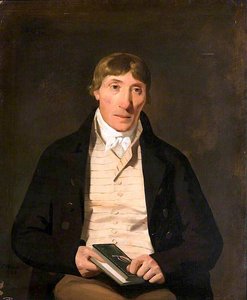
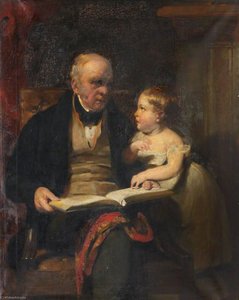
Portrait of John Watson Gordon

The 100 Most Famous John Watson Gordon Paintings, a Gallery Selection

Updated November 2026 · ranked by our popularity score (searches, visits and orders for each work) · 202 works by John Watson Gordon in our catalogue

In short

Of all the originals John Watson Gordon left, the most famous is Sir Walter Scott, 1771 - 1832. Novelist and poet (1830), in the collection of the Scottish National Portrait Gallery, Edinburgh. Close behind it come Mr Kippen (1810) and Roderick Gray (1788 - 1858) (1854). Our catalog holds 202 works by John Watson Gordon; the gallery has kept the 100 the world admires most, each shown with its date, its museum and its story.

1788 – 1864, Edinburgh Most works: Scottish National Portrait Gallery

John Watson Gordon's top 10 paintings: the gallery's choice

1
Sir Walter Scott, 1771 - 1832. Novelist and poet (1830) by John Watson Gordon

Sir Walter Scott, 1771 - 1832. Novelist and poet

1830 · Oil On Canvas · Scottish National Portrait Gallery, Edinburgh

The oil on canvas work titled Sir Walter Scott, 1771 - 1832. Novelist and poet was executed by the artist John Watson Gordon in 1830. This portrait depicts the subject, Sir Walter Scott, who was a novelist and poet. The painting was commissioned by Robert Cadell for the 'Magnum Opus' edition of the Waverley Novels, which was produced between 1829 and 1833.

2
Mr Kippen (1810) by John Watson Gordon

Mr Kippen

1810 · Oil On Canvas · Scottish National Gallery, Edinburgh

To stand before Mr Kippen is to step directly into the refined drawing rooms of early nineteenth-century Britain. Painted in 1810 by Sir John Watson Gordon, this portrait transcends a mere likeness; it is a carefully constructed document of status, intellect, and quiet assurance. The gentleman depicted sits with an air of composed gravity, his presence commanding yet utterly natural. Gordon masterfully captures the essence of the era’s gentry—a class…

3
Roderick Gray (1788 - 1858) (1854) by John Watson Gordon

Roderick Gray (1788 - 1858)

1854 · Oil On Canvas · Scottish National Gallery, Edinburgh

A formal mid-19th-century oil portrait, this work presents an elderly man in a three-quarter length composition. The subject is positioned slightly off-center, lending a sense of physical weight to his presence. Dark browns, blacks, and deep umbers dominate the palette, creating a monochromatic environment that allows the warm flesh tones of the face and hands to emerge from the shadows. Directional lighting from the upper left casts much of the…

4
The Prince of Wales (King Edward VII) (1860) by John Watson Gordon

The Prince of Wales (King Edward VII)

1860 · Oil On Canvas · Smithsonian American Art Museum, Washington, D.C.

A young man sits in the quiet gravity of 1860. He is draped in a military tunic of saturated red, a color that pulls the eye away from the surrounding gloom. A blue sash cuts a sharp, diagonal path across his chest, slicing through the warmth of the fabric. Light falls heavily upon his face and the gold embroidery of his collar, leaving the edges of his figure to dissolve…

5
Anne Sherriff (1866–1781) (later Mrs Charles Young) (1835) by John Watson Gordon

Anne Sherriff (1866–1781) (later Mrs Charles Young)

1835 · Oil

The portrait depicts a woman seated in a controlled environment. She wears a dark, black dress that absorbs much of the light, contrasted by a white hat positioned upon her head. In her hands, she holds a single piece of paper, her fingers positioned to grip its edges. The background is composed of heavy red curtains that hang in vertical folds, providing a deep color field behind the subject. The…

6
An English gentleman (1850) by John Watson Gordon

An English gentleman

1850 · Oil On Canvas · Museo del Prado, Madrid

In "An English gentleman" by John Watson Gordon, the viewer meets a figure captured in a three-quarter length portrait. The subject sits slightly off-center, his body angled in a way that suggests a moment of quiet pause. He gazes toward the right of the frame, his eyes directed away from the viewer toward an unseen point in the distance. This eye-level perspective creates an intimate connection, as if one is…

7
William Ramsay; (1806-1865) (1800) by John Watson Gordon

William Ramsay; (1806-1865)

1800 · Oil On Canvas · The Hunterian Museum and Art Gallery, Glasgow

The portrait captures a moment of intellectual repose. There is a sense of the man's inner life held within the tension of his gaze and the stillness of his posture. The shadows do not hide him; they define the contours of his character. He exists in a space of quiet contemplation, where the weight of the book and the darkness of the room suggest a life dedicated to the mind.…

8
Mrs Campbell (1819) by John Watson Gordon

Mrs Campbell

1819 · Oil On Canvas · City Art Centre, Edinburgh

The oil on canvas painting titled Mrs Campbell was executed by the artist John Watson Gordon. This portrait, which dates to 1819, depicts a seated woman presented in a formal manner. The subject is shown from the upper body and shoulders, positioned against a dark, indistinct drapery that provides a subtle contrast to her attire.

9
Sir William Molesworth, 8th Bt (1854) by John Watson Gordon

Sir William Molesworth, 8th Bt

1854 · Oil On Canvas · National Portrait Gallery, London

In the quiet, commanding presence of Sir William Molesworth, 8th Bt, we encounter more than just a likeness; we enter the structured, dignified world of the mid-19th century. Painted in 1854 by the esteemed Scottish master Sir John Watson Gordon, this portrait serves as a profound window into an era defined by social hierarchy and the meticulous cultivation of character. The subject sits with a poised, centered gravity, his form…

10
Fox Maule (1801–1874), 11th Earl of Dalhousie, 2nd Baron Panmure, Parliamentarian (1821) by John Watson Gordon

Fox Maule (1801–1874), 11th Earl of Dalhousie, 2nd Baron Panmure, Parliamentarian

1821 · Oil On Canvas · Scottish National Portrait Gallery, Edinburgh

The portrait presents a man of significant social standing, captured in a moment of formal composure. He is rendered in a traditional oil style, his figure centered against a dark, indistinct background that directs all attention to the subject's face and upper body. The lighting is directional, descending from the upper left to define the contours of his features and the heavy folds of his attire. His expression is one…

The John Watson Gordon selection continues, 11 to 100

11Sir Walter Scott, 1771 - 1832. Novelist and poet (1830) by John Watson GordonSir Walter Scott, 1771 - 1832. Novelist and poet1830 · Scottish National Portrait Gallery 12Elizabeth Galloway (or Grieve), of Sandyhills (1829) by John Watson GordonElizabeth Galloway (or Grieve), of Sandyhills1829 13John Wilson (1829) by John Watson GordonJohn Wilson1829 · National Portrait Gallery 14Henry Stephens, Agricultural Writer (1835) by John Watson GordonHenry Stephens, Agricultural Writer1835 15Admiral Sir Peter Halkett of Pitferrane (1765–1839) (1837) by John Watson GordonAdmiral Sir Peter Halkett of Pitferrane (1765–1839)1837 16Samuel Smith (1805–1873), Mayor of Bradford (1851–1854) (1854) by John Watson GordonSamuel Smith (1805–1873), Mayor of Bradford (1851–1854)1854 17Sir William Fergusson (1808–1877), Surgeon (1850) by John Watson GordonSir William Fergusson (1808–1877), Surgeon1850 · Scottish National Portrait Gallery 18David Macbeth Moir (1798–1851), Physician and Author (1850) by John Watson GordonDavid Macbeth Moir (1798–1851), Physician and Author1850 · Scottish National Portrait Gallery 19Thomas Babington (1800–1859), 1st Baron Macaulay, Historian and Statesman (1850) by John Watson GordonThomas Babington (1800–1859), 1st Baron Macaulay, Historian and Statesman1850 · Scottish National Portrait Gallery 20Roderick Gray (1788–1858) (1853) by John Watson GordonRoderick Gray (1788–1858)1853 · The Merchant's Hall 21John Cruickshank, LLD (1861) by John Watson GordonJohn Cruickshank, LLD1861 · University of Aberdeen 22James Frederick Ferrier (1863) by John Watson GordonJames Frederick Ferrier1863 · University of st Andrews 23Mrs George Baird of Strichen (1862) by John Watson GordonMrs George Baird of Strichen1862 24James David Forbes, FRSE (1861) by John Watson GordonJames David Forbes, FRSE1861 · The Royal Society of Edinburgh 25Henry Philpott, Master (1859) by John Watson GordonHenry Philpott, Master1859 · University of Cambridge 26Sir William Brown (1784–1864) (1857) by John Watson GordonSir William Brown (1784–1864)1857 · Walker Art Gallery 27Henry Stephens (1795–1874), Agricultural Writer (1860) by John Watson GordonHenry Stephens (1795–1874), Agricultural Writer1860 · Scottish National Portrait Gallery 28Hon. James Wilson (1858) by John Watson GordonHon. James Wilson1858 · National Portrait Gallery 29The Honourable Mrs Alexander Macalister (1843) by John Watson GordonThe Honourable Mrs Alexander Macalister1843 30Thomas de Quincey, 1785 - 1859. Author and essayist (1846) by John Watson GordonThomas de Quincey, 1785 - 1859. Author and essayist1846 · Scottish National Portrait Gallery 31Henry Pelham Fiennes Pelham Clinton (1811–1864), 5th Duke of Newcastle under Lyne (1855) by John Watson GordonHenry Pelham Fiennes Pelham Clinton (1811–1864), 5th Duke of Newcastle under Lyne1855 · The University of Nottingham 32John Inglis (1854) by John Watson GordonJohn Inglis1854 · University of Edinburgh Fine Art Collection 33Sir William Allan (1782–1850) (1844) by John Watson GordonSir William Allan (1782–1850)1844 34John Conolly, M.D. (1794-1866) by John Watson GordonJohn Conolly, M.D. (1794-1866)Auckland Art Gallery Toi o Tāmaki 35William Wood (1783–1858), FRCSEd (1805), PRCSEd (1822–1824), (1828–1830) by John Watson GordonWilliam Wood (1783–1858), FRCSEd (1805), PRCSEd (1822–1824), (1828–1830)The Royal College of Surgeons of Edinburgh 36Dr James Hamilton by John Watson GordonDr James HamiltonNhs Lothian 37The Flood Gate (1901) by John Watson GordonThe Flood Gate1901 · National Gallery of Canada 38Portrait of John Sanderson (1814) by John Watson GordonPortrait of John Sanderson1814 · National Gallery of Canada 39Mr Kippen (1810) by John Watson GordonMr Kippen1810 · Scottish National Gallery 40John Hunter by John Watson GordonJohn HunterUniversity of st Andrews 41The Laird of Cockpen and Mistress Jean by John Watson GordonThe Laird of Cockpen and Mistress JeanMcmanus: Dundee's Art Galleries And Museums 42Reverend William Bagshaw (1763–1847), of Ford Hall (1815) by John Watson GordonReverend William Bagshaw (1763–1847), of Ford Hall1815 · Buxton Museum - Art Gallery 43Carolina Oliphant (1766–1845), Lady Nairne, Songwriter (1818) by John Watson GordonCarolina Oliphant (1766–1845), Lady Nairne, Songwriter1818 · Scottish National Portrait Gallery 44A Grandfather's Lesson (1831) by John Watson GordonA Grandfather's Lesson1831 45James Hogg, Poet The Ettrick Shepherd (1830) by John Watson GordonJames Hogg, Poet The Ettrick Shepherd1830 46Henry Scott, 3rd Duke of Buccleuch and 5th Duke of Queensberry, FRSE (1830) by John Watson GordonHenry Scott, 3rd Duke of Buccleuch and 5th Duke of Queensberry, FRSE1830 · The Royal Society of Edinburgh 47John Hope, 4th Earl of Hopetoun (1824) by John Watson GordonJohn Hope, 4th Earl of Hopetoun1824 48Alexander Dunlop of Keppoch (1766–1840) (1825) by John Watson GordonAlexander Dunlop of Keppoch (1766–1840)1825 49Thomas Allan (1777–1833) (1824) by John Watson GordonThomas Allan (1777–1833)1824 50Professor John Wilson (1785–1854), Author and Moral Philosopher (Nom de Plume Christopher North) (1829) by John Watson GordonProfessor John Wilson (1785–1854), Author and Moral Philosopher (Nom de Plume Christopher North)1829 · Scottish National Portrait Gallery 51Sir Walter Scott (1771–1832), Novelist and Poet (1830) by John Watson GordonSir Walter Scott (1771–1832), Novelist and Poet1830 · Scottish National Portrait Gallery 52A Grandfather's Lesson (1831) by John Watson GordonA Grandfather's Lesson1831 · Royal Scottish Academy of Art - Architecture 53Return from a Foray (1827) by John Watson GordonReturn from a Foray1827 · Scottish National Gallery 54Peter Spalding (c.1758–1826) (1826) by John Watson GordonPeter Spalding (c.1758–1826)1826 · Scottish National Gallery 55John Hope (1765–1823), 4th Earl of Hopetoun (1824) by John Watson GordonJohn Hope (1765–1823), 4th Earl of Hopetoun1824 · Abbotsford House 56Henry Scott (1746–1812), 3rd Duke of Buccleuch and 5th Duke of Queensberry, FRSE (after Thomas Frank Heaphy) (1830) by John Watson GordonHenry Scott (1746–1812), 3rd Duke of Buccleuch and 5th Duke of Queensberry, FRSE (after Thomas Frank Heaphy)1830 · The Royal Society of Edinburgh 57Sir Daniel Keyte Sandford (1798–1838), Professor of Greek at the University of Glasgow (1821–1838) (1837) by John Watson GordonSir Daniel Keyte Sandford (1798–1838), Professor of Greek at the University of Glasgow (1821–1838)1837 · The Hunterian Museum and Art Gallery 58Major General Sir Patrick Lindsay, Soldier (1835) by John Watson GordonMajor General Sir Patrick Lindsay, Soldier1835 59Mrs Keith of Usan House, Montrose (1834) by John Watson GordonMrs Keith of Usan House, Montrose1834 60David Cox (1783–1859), Landscape Painter (1835) by John Watson GordonDavid Cox (1783–1859), Landscape Painter1835 · Scottish National Portrait Gallery 61The Honourable Sir Alexander Hope (1835) by John Watson GordonThe Honourable Sir Alexander Hope1835 · West Lothian Council 62Reverend Thomas Chalmers (1780–1847), Preacher and Social Reformer (1838) by John Watson GordonReverend Thomas Chalmers (1780–1847), Preacher and Social Reformer1838 · Scottish National Portrait Gallery 63Anne Grant of Laggan (1755–1838) (1837) by John Watson GordonAnne Grant of Laggan (1755–1838)1837 64Sir Arthur Farquhar (1772–1843), Rear Admiral (1837) by John Watson GordonSir Arthur Farquhar (1772–1843), Rear Admiral1837 · Scottish National Portrait Gallery 65Major General Sir Patrick Lindsay (1778–1839), Soldier (1835) by John Watson GordonMajor General Sir Patrick Lindsay (1778–1839), Soldier1835 · Scottish National Portrait Gallery 66Robert Haldane (1772–1854) (1841) by John Watson GordonRobert Haldane (1772–1854)1841 67Sir Hugh Lyon Playfair (1847) by John Watson GordonSir Hugh Lyon Playfair1847 68Reverend Alexander Brunton (1772–1854) (1846) by John Watson GordonReverend Alexander Brunton (1772–1854)1846 69George Thomson (1759–1851) (1842) by John Watson GordonGeorge Thomson (1759–1851)1842 70Adam Black (1784–1874), Lord Provost of Edinburgh (1843–1848) (1847) by John Watson GordonAdam Black (1784–1874), Lord Provost of Edinburgh (1843–1848)1847 71The Honourable Mrs Alexander Macalister (1843) by John Watson GordonThe Honourable Mrs Alexander Macalister1843 72Patrick Fraser Tytler (1791–1849), Historian (1840) by John Watson GordonPatrick Fraser Tytler (1791–1849), Historian1840 · Scottish National Portrait Gallery 73Reverend William Cunningham (1805–1861), Theologian (1844) by John Watson GordonReverend William Cunningham (1805–1861), Theologian1844 · Scottish National Portrait Gallery 74Portrait of a Lady (1840) by John Watson GordonPortrait of a Lady1840 · Scottish National Gallery 75Sir Thomas Makdougall Brisbane (1773–1860), Bt, FRSE (1848) by John Watson GordonSir Thomas Makdougall Brisbane (1773–1860), Bt, FRSE1848 · The Royal Society of Edinburgh 76Thomas de Quincey (1785–1859), Author and Essayist (1846) by John Watson GordonThomas de Quincey (1785–1859), Author and Essayist1846 · Scottish National Portrait Gallery 77Thomas de Quincey (1845) by John Watson GordonThomas de Quincey1845 · National Portrait Gallery 78James Andrew Broun Ramsay, 1st Marquess of Dalhousie (1847) by John Watson GordonJames Andrew Broun Ramsay, 1st Marquess of Dalhousie1847 · National Portrait Gallery 79Very Reverend Edward Bannerman Ramsay (1793–1872), Dean of Edinburgh (1841) by John Watson GordonVery Reverend Edward Bannerman Ramsay (1793–1872), Dean of Edinburgh1841 · Scottish National Portrait Gallery 80David Cox (1783–1859) (1855) by John Watson GordonDavid Cox (1783–1859)1855 · Birmingham Museum and Art Gallery 81John Inglis (1810–1891) (1854) by John Watson GordonJohn Inglis (1810–1891)1854 82Thomas Babington (1800–1859), Lord Macaulay (1849) by John Watson GordonThomas Babington (1800–1859), Lord Macaulay1849 · The Hunterian Museum and Art Gallery 83George (1784–1860), 4th Earl of Aberdeen (1851) by John Watson GordonGeorge (1784–1860), 4th Earl of Aberdeen1851 84William Foreman Home (1851) by John Watson GordonWilliam Foreman Home1851 85Andrew Rutherfurd (1791–1854), Lord Rutherfurd, Judge (1851) by John Watson GordonAndrew Rutherfurd (1791–1854), Lord Rutherfurd, Judge1851 · Scottish National Portrait Gallery 86John Smith, Master of Trinity House (1850) by John Watson GordonJohn Smith, Master of Trinity House1850 · Historic Scotland 87Sir William Gibson Craig (1797–1878), Lord Clerk Register (1852) by John Watson GordonSir William Gibson Craig (1797–1878), Lord Clerk Register1852 · Scottish National Portrait Gallery 88Charlotte Elizabeth, Wife of Sir John Forbes, 7th Bt of Craigievar, Daughter of the 18th Lord Forbes (1850) by John Watson GordonCharlotte Elizabeth, Wife of Sir John Forbes, 7th Bt of Craigievar, Daughter of the 18th Lord Forbes1850 · The National Trust For Scotland 89David Boyle (1772–1853), Lord Boyle, Lord President of the Court of Session (1852) by John Watson GordonDavid Boyle (1772–1853), Lord Boyle, Lord President of the Court of Session1852 · Scottish National Portrait Gallery 90Professor John Wilson (1785–1854), Author and Moral Philosopher (Nom de Plume Christopher North) (1852) by John Watson GordonProfessor John Wilson (1785–1854), Author and Moral Philosopher (Nom de Plume Christopher North)1852 · Scottish National Portrait Gallery 91Auld Lang Syne (1851) by John Watson GordonAuld Lang Syne1851 92Mrs George Baird of Strichen (1862) by John Watson GordonMrs George Baird of Strichen1862 93James Abercromby, 1st Baron Dunfermline, Speaker of the House of Commons (1859) by John Watson GordonJames Abercromby, 1st Baron Dunfermline, Speaker of the House of Commons1859 94Albert Edward (1841–1910), Prince of Wales (later Edward VII) (1861) by John Watson GordonAlbert Edward (1841–1910), Prince of Wales (later Edward VII)1861 · Examination Schools 95Hon. James Wilson (1858) by John Watson GordonHon. James Wilson1858 96James Andrew Ramsay (1812–1860), 10th Earl and 1st Marquess of Dalhousie, Governor General of India (1859) by John Watson GordonJames Andrew Ramsay (1812–1860), 10th Earl and 1st Marquess of Dalhousie, Governor General of India1859 · Scottish National Portrait Gallery 97HRH Edward, Prince of Wales (1859) by John Watson GordonHRH Edward, Prince of Wales1859 · University of Edinburgh Fine Art Collection 98Sir John Archibald Murray (1779–1859), Lord Murray, Judge (1856) by John Watson GordonSir John Archibald Murray (1779–1859), Lord Murray, Judge1856 · Scottish National Portrait Gallery 99James David Forbes (1809–1868), FRSE (1861) by John Watson GordonJames David Forbes (1809–1868), FRSE1861 · The Royal Society of Edinburgh 100The Right Honourable Sir William Gibson Craig (1797–1878), 2nd Bt of Riccarton (1863) by John Watson GordonThe Right Honourable Sir William Gibson Craig (1797–1878), 2nd Bt of Riccarton1863 · Heriot-watt University

John Watson Gordon's famous paintings, period by period

The subjects that held John Watson Gordon's eye

The four subjects that come back most often in these originals, each with its finest example.

The museums that keep John Watson Gordon's originals

The 8 museums that hold the most of the paintings on this page.

Museum City Works by John Watson Gordon Paintings from this list
Scottish National Portrait Gallery, EdinburghScottish National Portrait Gallery Edinburgh 31 Sir Walter Scott, 1771 - 1832. Novelist and poet, Fox Maule (1801–1874), 11th Earl of Dalhousie, 2nd Baron Panmure, Parliamentarian, Sir Walter Scott, 1771 - 1832. Novelist and poet
Scottish National Gallery, EdinburghScottish National Gallery Edinburgh 6 Mr Kippen, Roderick Gray (1788 - 1858), Mr Kippen
National Portrait Gallery, LondonNational Portrait Gallery London 6 Sir William Molesworth, 8th Bt, John Wilson, Hon. James Wilson
The Royal Society of Edinburgh, EdinburghThe Royal Society of Edinburgh Edinburgh 6 James David Forbes, FRSE, Henry Scott, 3rd Duke of Buccleuch and 5th Duke of Queensberry, FRSE, Henry Scott (1746–1812), 3rd Duke of Buccleuch and 5th Duke of Queensberry, FRSE (after Thomas Frank Heaphy)
The Hunterian Museum and Art Gallery, GlasgowThe Hunterian Museum and Art Gallery Glasgow 3 William Ramsay; (1806-1865), Sir Daniel Keyte Sandford (1798–1838), Professor of Greek at the University of Glasgow (1821–1838), Thomas Babington (1800–1859), Lord Macaulay
University of Edinburgh Fine Art Collection, EdinburghUniversity of Edinburgh Fine Art Collection Edinburgh 4 John Inglis, HRH Edward, Prince of Wales
University of st Andrews, St AndrewsUniversity of st Andrews St Andrews 3 James Frederick Ferrier, John Hunter
National Gallery of Canada, OttawaNational Gallery of Canada Ottawa 2 The Flood Gate, Portrait of John Sanderson

John Watson Gordon decade by decade: the original that defines each

Works per decade

Pick a decade to see the original that defines it.

Collectors' questions about John Watson Gordon's paintings

Which work is John Watson Gordon most famous for?Reveal the answer

Sir Walter Scott, 1771 - 1832. Novelist and poet (1830), Scottish National Portrait Gallery, Edinburgh. Mr Kippen (1810) and Roderick Gray (1788 - 1858) (1854) come next.

What age was John Watson Gordon when Sir Walter Scott, 1771 - 1832. Novelist and poet was made?Reveal the answer

42 years old: Sir Walter Scott, 1771 - 1832. Novelist and poet dates from 1830, and John Watson Gordon was born in 1788.

What are the ten most famous John Watson Gordon paintings?Reveal the answer

Sir Walter Scott, 1771 - 1832. Novelist and poet, Mr Kippen, Roderick Gray (1788 - 1858), The Prince of Wales (King Edward VII), Anne Sherriff (1866–1781) (later Mrs Charles Young), An English gentleman, William Ramsay; (1806-1865), Mrs Campbell, Sir William Molesworth, 8th Bt and Fox Maule (1801–1874), 11th Earl of Dalhousie, 2nd Baron Panmure, Parliamentarian. The ranking above gives each one's year and museum.

How many paintings did John Watson Gordon leave?Reveal the answer

Our catalog holds 202 works by John Watson Gordon, dated from 1800 to 1863.

In which museums do John Watson Gordon's masterpieces hang?Reveal the answer

Mostly in Scottish National Portrait Gallery (Edinburgh), Scottish National Gallery (Edinburgh) and National Portrait Gallery (London). The museum table above lists them all.

In which years did John Watson Gordon paint the most famous works?Reveal the answer

In 1850s: 29 of the 100 works on this page were made then, Roderick Gray (1788 - 1858) among them.

What are the first and the last famous originals of John Watson Gordon?Reveal the answer

On this page, the earliest is William Ramsay; (1806-1865) (1800) and the latest James Frederick Ferrier (1863).

Which subjects did John Watson Gordon choose most often?Reveal the answer

Man (22), Portrait (14) and 19th century (9), across the 100 works on this page.

Which technique did John Watson Gordon use most?Reveal the answer

Oil On Canvas, for 37 of the 100 works on this page.

Which John Watson Gordon works hang at the Scottish National Portrait Gallery?Reveal the answer

Sir Walter Scott, 1771 - 1832. Novelist and poet, Fox Maule (1801–1874), 11th Earl of Dalhousie, 2nd Baron Panmure, Parliamentarian and Sir Walter Scott, 1771 - 1832. Novelist and poet: the Scottish National Portrait Gallery, Edinburgh holds 25 of the works on this page.

John Watson Gordon: life and work

Sir John Watson Gordon: A Scottish Master of Light and Portraiture

Sir John Watson Gordon (1788 – 1864) stands as a pivotal figure in the transition from Neoclassical portraiture to the atmospheric Tonalism that would define much of 19th-century British art. Born into a family steeped in artistic tradition—his father, Captain James Watson, was a skilled draughtsman and his uncle, George Watson, a respected portraitist – Gordon’s path toward becoming a celebrated artist wasn't predetermined but rather cultivated through a deliberate choice to embrace the burgeoning world of painting. Initially trained for a military career, he ultimately recognized and pursued his true calling: capturing the essence of human character and the subtle beauty of the Scottish landscape through his art.

Gordon’s early artistic development was profoundly shaped by his apprenticeship under John Graham at the Trustees' Academy in Edinburgh. This formative period instilled within him a foundational understanding of technique, but crucially, it also exposed him to the burgeoning public interest in art exhibitions – a relatively new phenomenon at the time. His first significant exhibition in 1808, featuring a scene from Sir Walter Scott’s epic poem ‘The Lay of the Last Minstrel,’ marked his arrival on the Edinburgh art scene and demonstrated an early aptitude for capturing narrative and emotion through visual means. Following this success, he continued to experiment with historical and religious subjects, honing his skills and developing a distinctive style characterized by a remarkable delicacy and freedom in brushwork.

The Evolution of Style: From Neoclassicism to Tonalism

A defining characteristic of Gordon’s artistic journey was the gradual shift from the formal constraints of Neoclassical portraiture to the more expressive and atmospheric qualities of Tonalism. Initially, his portraits adhered to established conventions – crisp lines, carefully rendered details, and a focus on capturing likeness with meticulous accuracy. However, as he matured as an artist, he began to prioritize mood and atmosphere over strict adherence to realism. This transformation is particularly evident in his later works, where the flesh tones soften, the backgrounds become increasingly muted, and the overall effect is one of quiet contemplation and emotional resonance.

This stylistic evolution wasn’t simply a matter of technique; it reflected a deeper engagement with the changing artistic landscape. Influenced by artists like John Constable and J.M.W. Turner, Gordon sought to capture not just the outward appearance of his subjects but also their inner lives – their character, temperament, and relationship to the world around them. His portraits of Sir Walter Scott, for instance, are imbued with a sense of the poet’s intellectual depth and romantic spirit, while his depictions of figures like Professor John Wilson and Dr. Chalmers convey a similar level of psychological insight.

Iconic Sitters and Lasting Legacy

Gordon's studio became a magnet for Scotland’s leading figures – a testament to his reputation as a skilled portraitist and a gracious host. Among the most notable sitters were Sir Walter Scott, whose early portraits laid the foundation for Gordon’s distinctive style; JG Lockhart, Professor Wilson, Sir Archibald Alison, Dr. Chalmers, De Quincey, and Sir David Brewster. His ability to capture the essence of these individuals – their intellect, their character, and their place in Scottish society – cemented his position as one of the most sought-after portrait painters of his time.

The portraits painted during the period from 1835 to 1864 represent a culmination of Gordon’s artistic development. These works are characterized by a remarkable subtlety of color, a masterful handling of light and shadow, and an unparalleled sensitivity to the psychological nuances of his subjects. His later style, marked by its simplicity and austerity, is particularly noteworthy – the flesh tones become almost pearlescent, the backgrounds fade into grey, and the focus shifts entirely to the face, revealing the subject’s inner world with remarkable clarity. The portraits of Sir John G. Shaw-Lefevre and Roderick Gray, Provost of Peterhead, are prime examples of this late style, earning him a first-class medal at the 1855 Paris Salon.

A Scottish Voice in the Royal Academy

Gordon’s artistic achievements were recognized by the Royal Academy, which elected him as an associate in 1841 and then as a full academician in 1851. His appointment to the position of H.M. Limner for Scotland in 1850 further elevated his status within the art world, solidifying his role as the nation’s official portrait painter. His legacy extends beyond individual portraits; he played a significant role in fostering artistic development in Scotland and contributing to the establishment of the Royal Scottish Academy. Sir John Watson Gordon died in Edinburgh in 1864, leaving behind a remarkable body of work that continues to captivate viewers with its beauty, sensitivity, and profound understanding of the human spirit.