Early Life and Artistic Beginnings
Henry Hetherington Emmerson, born in 1831, emerged from a Britain steeped in the traditions of landscape and portraiture, yet poised on the cusp of significant artistic change. While detailed records of his earliest life remain scarce, it is known that he gravitated towards painting with an early passion. The Victorian era provided a fertile ground for artists focusing on genre scenes – depictions of everyday life – and Emmerson quickly found himself drawn to this popular style. He wasn’t necessarily breaking new ground in subject matter initially, but rather honing his skills within established conventions, developing a keen eye for detail and a sensitivity to the nuances of human character. This early period was crucial in establishing the technical foundation that would later allow him to imbue his work with a distinctive charm and narrative quality. He received formal training, though specifics are elusive, likely benefiting from the numerous art schools and private instruction available at the time. The influence of artists like David Wilkie, renowned for his moralizing genre paintings, is subtly present in Emmerson’s early works, particularly in the careful arrangement of figures and the emphasis on domestic interiors.A Focus on Victorian Life and Portraiture
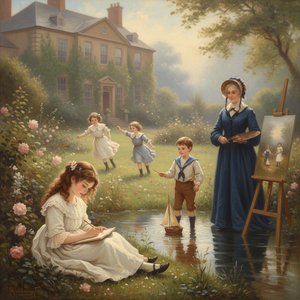
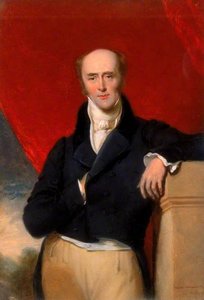
Emmerson carved a niche for himself as a painter of Victorian life, specializing in scenes that often featured children and family interactions. His canvases weren’t grand historical narratives or sweeping landscapes; instead, they offered intimate glimpses into the lives of middle-class families. He possessed an exceptional ability to capture the innocence and playfulness of childhood, portraying his young subjects with remarkable realism and affection. This wasn't merely a matter of technical skill; Emmerson seemed genuinely attuned to the emotional world of children, conveying their curiosity, mischief, and vulnerability with sensitivity. Alongside these genre scenes, he also undertook portrait commissions, further solidifying his reputation as a capable and sought-after artist. His portraits, while not groundbreaking in style, were characterized by their accuracy and attention to detail, providing valuable visual records of Victorian society. He exhibited regularly at the Royal Academy, gaining recognition for his ability to depict everyday life with both technical proficiency and emotional resonance.The Bewick Club and Artistic Circle
A significant aspect of Emmerson’s artistic life was his involvement with the Bewick Club, a group of artists founded in 1856. Named after the celebrated engraver Thomas Bewick, the club provided a platform for artists interested in wood engraving and illustration, but its scope extended beyond these mediums to encompass painting and drawing. The Bewick Club fostered a spirit of camaraderie and mutual support among its members, encouraging experimentation and collaboration. Emmerson’s participation suggests an interest in broader artistic trends beyond his established genre work, perhaps influencing his approach to composition and detail. The club's emphasis on naturalism and observation likely resonated with his own artistic sensibilities, reinforcing his commitment to accurately portraying the world around him. He wasn’t simply a passive member; he actively contributed to the club’s activities, participating in exhibitions and discussions that shaped the artistic landscape of the time.Style, Technique, and Lasting Legacy
Emmerson's style is best described as refined realism with a touch of sentimentality. He wasn’t an innovator pushing boundaries; rather, he excelled at perfecting existing techniques to create works that were both technically accomplished and emotionally engaging. His brushwork is precise and detailed, particularly in the rendering of fabrics, textures, and facial expressions. He employed a muted palette, favoring earth tones and subtle gradations of color to create a sense of warmth and intimacy. Light plays a crucial role in his compositions, often illuminating key figures or objects to draw the viewer’s attention. While he didn't achieve widespread fame comparable to some of his contemporaries, Emmerson left behind a body of work that offers valuable insights into Victorian life and artistic sensibilities. His paintings provide a glimpse into the domestic interiors, social customs, and emotional world of middle-class families during a period of rapid change. Today, his works are appreciated for their charm, technical skill, and ability to evoke a sense of nostalgia for a bygone era. He died in 1895, leaving behind a legacy as a skilled genre painter who captured the essence of Victorian life with sensitivity and grace.Major Achievements & Historical Significance
- Regular Exhibitions at the Royal Academy: Consistent exhibition at this prestigious venue established Emmerson’s reputation among art critics and collectors.
- Founding Member of the Bewick Club: His involvement demonstrates a commitment to artistic collaboration and exploration beyond his core genre work.
- Genre Painting as Social Commentary: While not overtly political, Emmerson’s depictions of everyday life offer subtle insights into Victorian social customs and values.
- Portrayal of Childhood Innocence: His sensitive and realistic portrayals of children remain a highlight of his oeuvre, capturing the emotional world of youth with remarkable accuracy.
- Preservation of Victorian Domestic Life: His paintings serve as valuable visual records of middle-class interiors, fashion, and social interactions during the 19th century.
Questions & Answers
How many artworks by Henry Hetherington Emmerson are available to browse?
You can browse 49 artworks by Henry Hetherington Emmerson on the All Artworks page.
How can I see every artwork made by Henry Hetherington Emmerson?
Every work by Henry Hetherington Emmerson on this website can be browsed from the artist's All Artworks page.
Can I browse Henry Hetherington Emmerson's works by color palette?
To find works by Henry Hetherington Emmerson in a specific palette, use the artist's By Palettes page.