Early Life and Artistic Formation: The Scottish Roots of a Victorian Master
 john graham gilbert
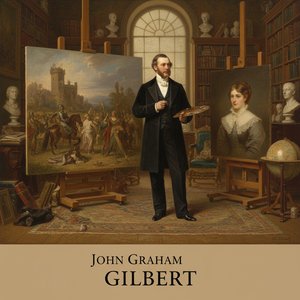
John Graham-Gilbert (1794-1866) was a Scottish portrait & genre painter known for his Venetian-influenced style, captivating depictions of female figures, and copies after Correggio. Discover his art & legacy!
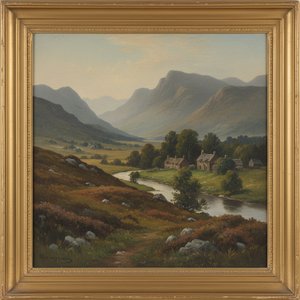
John Graham-Gilbert, born in Blackheath, Scotland, in 1794, emerged from an artistic lineage that subtly shaped his distinctive style. While not formally trained in the grand academies of Europe – a path common for aspiring artists of the era – Gilbert benefited from early exposure to the vibrant Scottish art scene and a familial encouragement towards creative pursuits. His father, also an artist, instilled a foundational understanding of drawing and composition, though it was perhaps the rugged beauty of his homeland that proved most formative. The dramatic landscapes and nuanced light of Scotland would later echo in the backgrounds and atmospheric qualities of his paintings, even as he gravitated toward more romantic and Italianate subjects. This early grounding fostered an independent spirit, allowing Gilbert to forge a path distinct from prevailing academic conventions.
The Venetian Influence: Gilbert's Embrace of Color, Light, and Romantic Narrative
 The Froliksome Duke
Gilbert’s artistic trajectory took a pivotal turn with his fascination for the Old Masters, particularly the Venetian painters. A deep study of artists like Titian, Veronese, and Tintoretto ignited a passion for rich color palettes, luminous effects, and dynamic compositions. Unlike the precise linearity favored by many British artists of the time, Gilbert embraced a looser brushstroke and a more atmospheric approach to rendering form. This wasn’t merely imitation; he absorbed the *spirit* of Venetian painting – its sensuality, drama, and emphasis on narrative – adapting it to his own Victorian sensibilities. His works began to feature captivating depictions of female figures bathed in warm light, often set within opulent interiors or idyllic landscapes reminiscent of Italy. The Froliksome Duke, for example, exemplifies this influence with its vibrant hues and playful depiction of aristocratic life.
Genre Painting and the Rise of the Middle Class: Reflecting Victorian Society
Genre art is the pictorial representation in any of various media of scenes or events from everyday life, such as markets, domestic settings, interiors, parties, inn scenes, work, and street scenes. Such representations (also called genre works, genr...
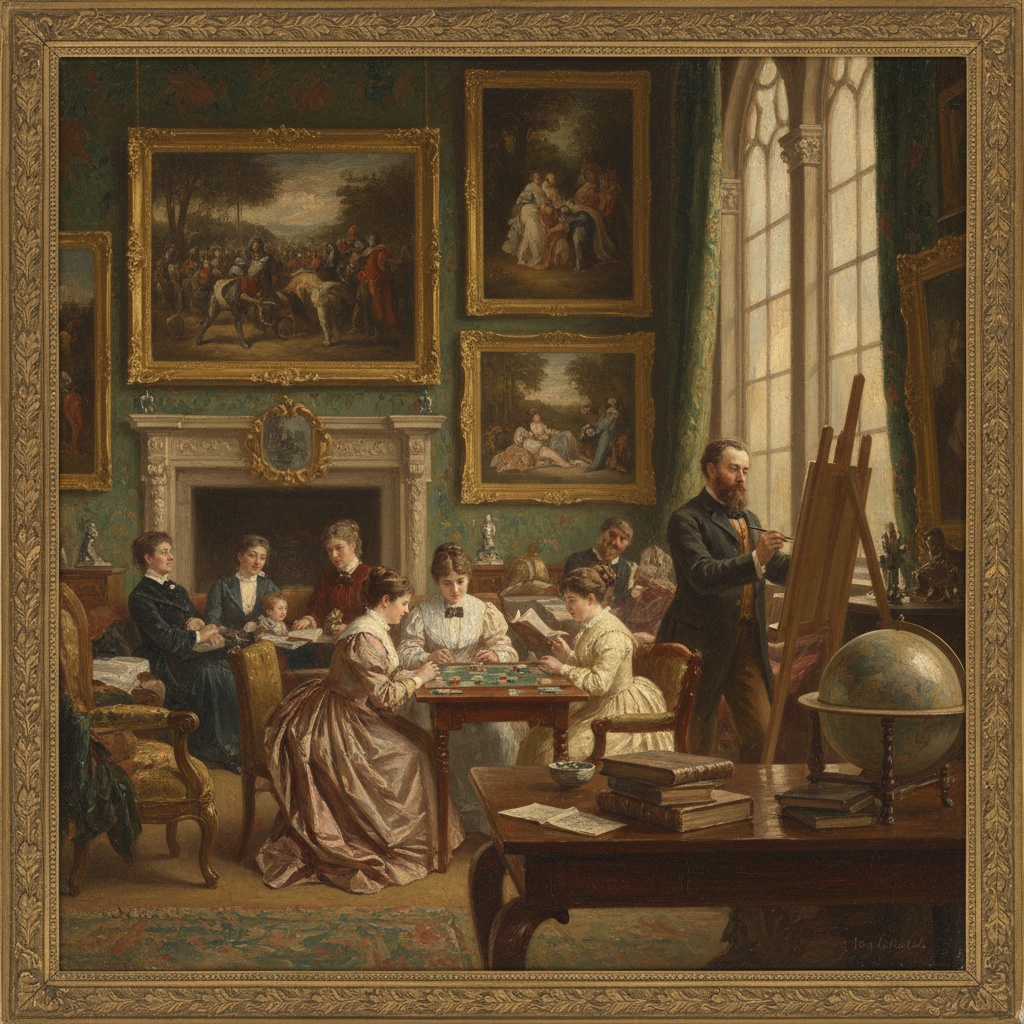
The early Victorian era witnessed a significant shift in art patronage. The burgeoning middle class, newly affluent and eager to express their status and taste, created a demand for paintings that reflected their own lives and aspirations. This is where John Gilbert truly flourished. He excelled at genre painting – scenes of everyday life – but elevated the form with his masterful technique and romantic sensibility. Unlike some artists who focused on social realism or critique, Gilbert tended towards idealized portrayals, offering viewers an escapist vision of domestic harmony, leisurely pursuits, and charming encounters. His paintings weren’t simply records of Victorian society; they were carefully constructed fantasies that appealed to a desire for refinement and beauty. This focus allowed him to capture the nuances of Victorian social life without venturing into potentially controversial territory.
Gilbert as an Illustrator: A Prolific Career in Print Media
Beyond his oil paintings, John Gilbert enjoyed an extraordinarily prolific career as an illustrator. He contributed thousands of drawings to publications like the Illustrated London News, becoming a household name through his depictions of historical events, literary scenes, and fashionable life. This work wasn’t merely secondary to his painting; it profoundly influenced his style, honing his ability to capture detail, narrative, and emotion with remarkable efficiency. The demands of print media required a different approach than large-scale canvases – a greater emphasis on clarity, conciseness, and immediate impact. Gilbert seamlessly transitioned between these two worlds, bringing the same level of artistry and attention to detail to both his paintings and illustrations. His Shakespearean illustrations, though numerous, demonstrate a commitment to capturing the essence of the plays through dynamic compositions and expressive character portrayals.
Technique and Style: Examining Brushwork, Composition, and Subject Matter
Victorian painting refers to the distinctive styles of painting in the United Kingdom during the reign of Queen Victoria (1837–1901). Victoria's early reign was characterised by rapid industrial development and social and political change, which made...
Gilbert’s technique was characterized by a remarkable versatility. He employed a layered approach to oil painting, building up color and texture with delicate brushstrokes that created a sense of luminosity and depth. His compositions were carefully balanced, often featuring strong diagonal lines and focal points that drew the viewer's eye. While influenced by Venetian masters, he developed his own distinctive style – a blend of romantic idealism, meticulous detail, and a keen understanding of color theory. He wasn’t afraid to experiment with different mediums, working in watercolor as well as oils, often creating preliminary sketches and studies before embarking on larger works. His subject matter consistently revolved around themes of love, beauty, leisure, and historical romance, reflecting the prevailing tastes of Victorian society. He possessed a unique ability to imbue even seemingly mundane scenes with a sense of drama and emotional resonance.
Rediscovery and Legacy: John Gilbert's Place in Art History
Despite his immense popularity during his lifetime, John Gilbert’s reputation waned in the decades following his death. Overshadowed by more avant-garde movements and dismissed as overly sentimental, his work fell into relative obscurity. However, recent scholarship has begun to reassess his contribution to British art history, recognizing him as a significant figure who bridged the gap between academic tradition and the emerging aesthetic movement. Exhibitions showcasing his paintings and illustrations have reintroduced his work to a wider audience, revealing a remarkable talent whose artistry deserves greater recognition. Gilbert’s legacy lies not only in the beauty of his individual works but also in his ability to capture the spirit of Victorian society – its aspirations, anxieties, and enduring fascination with romance and beauty. OriginalUniqueArt offers high-quality reproductions of Gilbert's masterpieces, allowing art enthusiasts to experience the charm and elegance of this often-overlooked Victorian master.