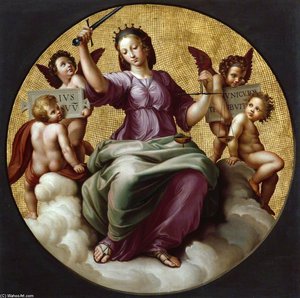
Giuseppe Cades (1750-1799) stands as a significant figure in Italian Baroque art, particularly within the context of Rome’s artistic revival during the Enlightenment. Born into a family with connections to the Vatican and possessing considerable talent from a young age, Cades honed his skills under influential masters like Mancini and Domenico Corvi, securing a prestigious prize for his depiction of Tobias recovering his sight – an early testament to his artistic promise. His formative years were spent absorbing the stylistic precepts of the era, preparing him for commissions that would solidify his reputation as one of Rome’s foremost painters.
Early Training & Influences: Cades' education at Mancini and Corvi instilled in him a deep understanding of classical ideals and Baroque techniques. He was particularly drawn to the grandeur and dramatic illusionism championed by Caravaggio, whose masterful use of chiaroscuro profoundly impacted his artistic approach.
Notable Commissions & Artistic Output: His involvement with prominent patrons like Cardinal Alessandro Velázquez resulted in ambitious projects – notably the altar-piece for San Benedetto in Turin (1771) and frescoes adorning Palazzo Chigi, depicting scenes from Tasso’s *Jerusalem Delivered*. These works exemplify Cades' ability to convey complex narratives through visual splendor.
Technical Mastery & Style: Cades excelled at capturing the emotional intensity of Baroque art. His canvases are characterized by rich color palettes, meticulous detail, and a masterful command of perspective—elements that contribute to an immersive experience for the viewer. He skillfully blended classical elements with Baroque dynamism, creating compositions that resonate with both intellectual depth and visual beauty.
Prints & Engravings: Beyond painting, Cades achieved recognition as an engraver, producing evocative prints such as “Christ Blessing Little Children” and “The Death of Leonardo da Vinci.” These engravings demonstrate his technical prowess and his fascination with capturing iconic figures from Western art history.
Recognition & Legacy
Cades joined the Accademia di San Luca in Rome in 1786, marking a pivotal moment in his artistic career and solidifying his position within Rome’s artistic elite. Although he died relatively young at the age of 49, Cades left behind an impressive body of work that continues to inspire admiration for its beauty and expressive power. His frescoes and paintings contribute significantly to understanding the artistic landscape of the late Baroque period and exemplify the enduring influence of classical ideals on European art. He is remembered as a skilled craftsman who skillfully blended tradition with innovation, securing his place among Rome’s most celebrated artists.
Further Exploration
For more information about Giuseppe Cades' life and artistic achievements, consult resources such as:
Explore the profound beauty of Academic painting. Discover the rigorous techniques, Neoclassical influences, and timeless mastery that define this prestigious art movement, from the works of Godward to the great European academies.