


1


Updated October 2026 · ranked by our popularity score (searches, visits and orders for each work) · 68 works by Benjamin Marshall in our catalogue
In short
A Roan Hack (1794) is the Benjamin Marshall painting that draws the most eyes; the original belongs to the Royal Collection, London. After it, the eye goes to 'Curricle' with a Huntsman (1794) and A Black Horse (1794). Among the 68 works of Benjamin Marshall in our catalog, these 68 are the most famous, each a unique original presented with its year, its museum and the reason it endures.


The artwork titled The Earl of Coventry's Horse is an oil on canvas painting by the English sporting and animal painter Benjamin Marshall. Created in 1805, this equestrian portrait focuses on a single animal within a stable setting. The work is currently held in the collection of the Art Institute, Chicago.


 Hunters At Grass,1801
12
 Josiah Rose Of Liverpool, C.1790 -1800
13
 J.G. Shaddick, the Celebrated Sportsman1806 · National Gallery of Art
14
 George, 5th Duke Of Gordon On 'tiny',1806
15
 Lady Grosvenor on ‘Blue Stockings’1816
16
 Sam with Sam Chifney, Jr., Up,1818
17
 Shoveller Held by her Trainer Will Chifney,1819
18
 Priam,1830
19
 Emilius With Groom,1823
20
 'Zinganee' held by Sam Chifney Jr. at Newmarket,1829
21
 John Gulley, C.1810
22
 John Jackson
23
 Three Worthies Of The Turf At Newmarket, C.1804
24
 Mr Gully, engraved by Charles Turner
25
 Ohn Hilton, Judge Of The Course At NewmarketYale Center for British Art
26
 Portrait Of A Sportsman, Possibly Richard PrinceYale Center for British Art
27
 The Duke Of Richmond's 'rough Robin' With The Jockey Frank Buckle Up
28
 Match Between 'eagle' And 'eleanor'
29
 Mully MolochYale Center for British Art
30
 Anti-gallican
31
 Bony Grey Nag
32
 'zinganee' Held By Sam Chifney Junior With The Owner
33
 Dustman - Bulldog And Terrier Mix
34
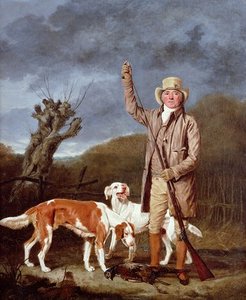 A Sportsman Loading A Flintlock Gun
35
 Emilius
36
 Diamond, With Dennis Fitzpatrick UpYale Center for British Art
37
 Bay 'middleton', Winner Of The Epsom Derby
38
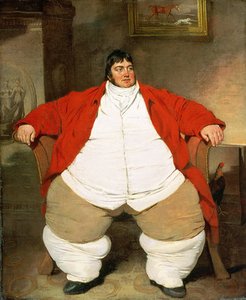 Portrait Of Daniel Lambert
39
 Lt. General Thomas Grovesnor's Chestnut Filly
40
 Thomas Hilton And His Hound 'glory'
41
 George, Marquess Of HuntlyYale Center for British Art
42
 Muly moloch
43
 A Grey ArabFitzwilliam Museum
44
 Josiah Rose Of LiverpoolYale Center for British Art
45
 The Rev. Edward Cage
46
 Griffith Owen, Harpist To The Corbet Family Of Ynysymaengwyn
47
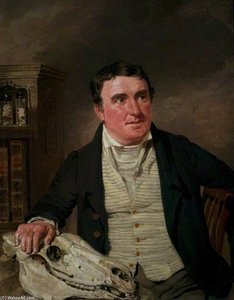 Dr John Bowles
48
 Daniel Lambert -
49
 Racehorse
50
 Frank Buckle, John Wastel, Robert RobsonYale Center for British Art
51
 Broodmare With Foal And Terrier
52
 'skiff', A Bay Racehorse Held By A Groom On
53
 A Farmer With A Horse And CartUpton House
54
 'shrapnell', W. Arnull Up With Trainer Dixon Boyce
55
 Archibald Kennedy
56
 Foxhunting SceneYale Center for British Art
57
 Thomas Mellish on his Hunter 'Saucebox'
58
 Daniel Lambert -
59
 James Belcher, Bare-knuckle Champion Of England
60
 Broodmare With Foal, And A TerrierYale Center for British Art
61
 Interior Of A Barn With A Milkmaid And Farm Labourer
62
 General Sir Thomas Stirling Of Ardoch And Strowan
63
 A Golden Chestnut Racehorse by a Rock Formation
64
 Francis Const on a bay hunter
65
 The Prince Of Wales's Favourite Roan Hack
66
 Sir Charles Bunbury With Cox, His Trainer, And A Stable-lad - A Study For 'surprise And Eleanor'
67
 Portraits Of Cattle Of The Improved Short-horned Breed, The Property Of J. Wilkinson Esq. Of Lenton, Near Nottingham
68
 Daniel Lambert
The four subjects that come back most often in these originals, each with its finest example.
The 7 museums that hold the most of the paintings on this page.
| Museum | City | Works by Benjamin Marshall | Paintings from this list |
|---|---|---|---|
 Yale Center for British Art |
New Haven | 10 | Studies of Riders in the Hunting Field, Ohn Hilton, Judge Of The Course At Newmarket, Portrait Of A Sportsman, Possibly Richard Prince |
 Royal Collection |
London | 6 | A Roan Hack, 'Curricle' with a Huntsman, A Black Horse |
 National Portrait Gallery of Sweden |
Strängnäs | 1 | Richard Prince, With Damon, The Late Colonel |
 Art Institute of Chicago |
Chicago | 1 | The Earl of Coventry's Horse |
 National Gallery of Art |
Washington | 1 | J.G. Shaddick, the Celebrated Sportsman |
 Fitzwilliam Museum |
1 | A Grey Arab | |
 Upton House |
Banbury | 1 | A Farmer With A Horse And Cart |
Pick a decade to see the original that defines it.
A Roan Hack (1794), Royal Collection, London. 'Curricle' with a Huntsman (1794) and A Black Horse (1794) come next.
26 years old: A Roan Hack dates from 1794, and Benjamin Marshall was born in 1768.
A Roan Hack, 'Curricle' with a Huntsman, A Black Horse, Studies of Riders in the Hunting Field, Ispwell lass,, Richard Prince, With Damon, The Late Colonel, The Earl of Coventry's Horse, Lop, Mistake and Tiger. The ranking above gives each one's year and museum.
Our catalog holds 68 works by Benjamin Marshall, dated from 1794 to 1830.
Mostly in Yale Center for British Art (New Haven), Royal Collection (London) and National Portrait Gallery of Sweden (Strängnäs). The museum table above lists them all.
In 1800s: 7 of the 68 works on this page were made then, Studies of Riders in the Hunting Field among them.
On this page, the earliest is A Roan Hack (1794) and the latest Priam, (1830).
Equestrian art (5), Hunting (4) and Royalty (3), across the 68 works on this page.
Neoclassicism and Romanticism, judging by the originals on this page.
Studies of Riders in the Hunting Field, Ohn Hilton, Judge Of The Course At Newmarket and Portrait Of A Sportsman, Possibly Richard Prince: the Yale Center for British Art, New Haven holds 10 of the works on this page.


