The Sculptor of Royal Grandeur
Antoine Coysevox stands as a monumental figure in the artistic landscape of Baroque France, inextricably linked to the reign of Louis XIV and the ambitious patronage that defined an era of absolute monarchy. Born in Lyon in 1640, he ascended from modest beginnings—the son of a sculptor—to become one of the most celebrated masters of his time. His journey was one of profound transformation, as he moved from the provincial workshops of his youth to the glittering heart of the French court, eventually crafting the very visual language of power that would define the Louis XIV style.
His formative years were shaped by a rigorous dedication to classical ideals and anatomical precision. After arriving in Paris in 1657, he joined the workshop of Louis Lerambert, where his talent for capturing life in stone began to emerge. This early training, combined with his later exposure to the prestigious Prix de Rome, allowed him to synthesize a unique aesthetic: one that married the dynamic energy of the Baroque movement with the serene, disciplined grace of antiquity. Even without extensive travels to Italy, Coysevox possessed an uncanny ability to evoke the classical spirit, making him the ideal artist for a king who wished to present France as the new Rome.
A Legacy in Marble and Gold
The zenith of Coysevox’s career coincided with the architectural and political expansion of Versailles. As a favored sculptor for the royal court, his work became an essential component of the palace's decorative program. He did not merely decorate spaces; he breathed life into the stone, transforming the gardens and halls of Versailles and Molière into stages for royal myth-making. His versatility was unparalleled, ranging from the delicate intimacy of portrait busts to the massive, commanding presence of equestrian groups and allegorical statues.
His contributions to the French landscape are vast and varied:
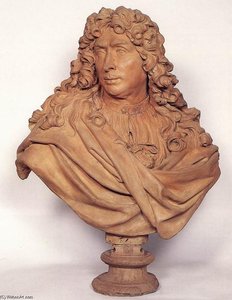
- The Portraiture of Power: Coysevox became the premier portraitist of his age, most notably through his masterful marble busts of Louis XIV. These works were far more than mere likenesses; they were carefully constructed icons of regal dignity, conveying an aura of divine authority and unshakable conviction.
- Decorative Mastery: Within the halls of Versailles, he worked on monumental projects such as the relief work for the War Room and the creation of the Vase of War. His ability to manipulate materials like gilded lead and Carrara marble allowed him to contribute to the sensory splendor of the King's State Apartments.
- Allegorical Brilliance: Beyond the royal family, his works such as The Duchesse de Bourgogne as Diana showcased his ability to blend mythological themes with contemporary elegance, embodying the grace and beauty central to the era's aesthetic.
Historical Significance and Enduring Influence
The historical significance of Antoine Coysevox lies in his role as a visual architect of the French identity. Through his hands, the political ambitions of the Bourbon monarchy were rendered into permanent, tangible forms. He captured the transition from the exuberant, often turbulent Baroque to a more controlled, classical elegance that would influence European art for generations. His work at the Château de Versailles and the gardens of Marly remains a testament to a period when art was the ultimate instrument of statecraft.
Even as styles shifted toward Neoclassicism in later decades, the foundation laid by Coysevox remained unshakable. He left behind a legacy of works that continue to reside in the world's most prestigious institutions, such as the Louvre Museum and the Minneapolis Institute of Art. To study his oeuvre is to witness the heartbeat of 17th-century France—a period of unparalleled artistic ambition where every chisel stroke served to immortalize the glory of a kingdom.