
The Poetics of Presence: Defining the Allure of the Solitary Figure
 Solitude
Explore 'Solitude' by Sir Frederic Leighton – a haunting Romantic masterpiece! Discover this oil painting’s dramatic lighting, classical style & melancholic beauty.
In an era defined by constant connectivity and the relentless hum of digital noise, there exists a profound, almost magnetic pull toward the image of the lone figure. To gaze upon a solitary subject in art is not merely to witness isolation, but to encounter a deliberate pause—a moment where time itself seems to suspend its forward march. This aesthetic of presence does not speak of loneliness in the modern, melanchative sense; rather, it celebrates the sanctity of introspection. There is a quiet dignity in the figure that stands apart, inviting the viewer to step out of the chaos and into a shared space of contemplation.
This allure lies in the invitation to empathy. When we encounter a single soul rendered on canvas, the boundaries between the observer and the observed begin to soften. We do not just see a person; we feel the weight of their thoughts and the stillness of their environment. At OriginalUniqueArt.com, we believe that bringing such works into a home allows for a similar transformation of space, turning a mere room into a sanctuary of thought. Whether through a breathtaking hand-painted oil reproduction or a custom commission that captures a personal milestone, the solitary figure serves as an anchor for the wandering mind, offering a visual breath of fresh air in a crowded world.
From Devotion to Discovery: The Evolution of Solitude in Western Art History
 Echoes of Isolation: Solitude in Western Art from Renaissance to Modernism
The Sacred Space of Solitude: Medieval & Renaissance Depictions Before the sweeping landscapes and introspective figures of later eras, solitude in art held a distinctly spiritual character. In medieval and early Renaissance painting, withdrawal from...
The history of the solitary figure is a journey from the sacred to the secular, tracing the very evolution of human consciousness. In the medieval and early Renaissance periods, solitude was rarely an expression of individual identity; instead, it was a spiritual tool. Figures were often depicted as hermits or saints, nestled within dimly lit cloisters or rugged landscapes, where their withdrawal from the world was a deliberate act of religious devotion—a turning inward to connect with the divine. In these works, the "solitude" was a bridge to the heavens, rather than a reflection of the self.
However, as we moved into the Renaissance and eventually the Romantic era, the focus shifted dramatically. The rise of Humanism brought a renewed fascination with individual agency and the unique essence of the person. Portraiture began to emerge as an independent genre, celebrating not just piety, but the recognizable features and social standing of the subject. This evolution reached its zenith during the Romantic movement, where artists like Caspar David Friedrich reimagined nature as a site of emotional discovery. Here, the solitary figure became a vessel for the sublime, expressing the profound connection—and sometimes the overwhelming tension—between the human spirit and the vast, untamed natural world. It is this rich historical tapestry that we draw upon when we offer our "Period Shift" services, allowing you to transform a modern photograph into a masterpiece that echoes the grandeur of the 17th or 19th centuries.
The Mirror of the Mind: Exploring Psychological Depth and Emotional Resonance
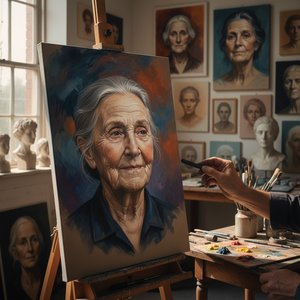 Capturing the Soul: The Psychological Depth and Emotional Power of Portraiture in Fine Art
The Mirror of the Mind: Understanding the Psychological Depth of Portraiture To gaze upon a portrait is to engage in a silent, profound dialogue with a soul that may have long since departed the physical realm. Beyond the mere recording of facial fea...
True fine art portraiture serves as far more than a mere recording of facial features or aristocratic finery; it acts as a mirror to the human psyche. To engage with a well-executed portrait is to enter into a silent, profound dialogue with a soul. The mastery of an artist lies in their ability to excavate the interiority of the subject, revealing the subtle tensions, hidden sorrows, and quiet triumphs that define our existence. This pursuit of psychological depth transforms a simple depiction into a window through which we glimpse the universal complexities of the human condition.
This emotional resonance is often achieved through the very texture of the medium itself. While digital prints offer accuracy, they often lack the "soul" found in the tactile depth of a handmade oil painting. In our hand-painted reproductions, the visible brushstrokes and the rich, layered impasto technique provide a physical manifestation of emotion. A heavy, agitated mark can communicate anxiety, while a fluid, sweeping line might suggest grace or longing. By using 100% cotton canvas and specific oils to prevent yellowing, our artists ensure that this psychological depth remains vibrant for generations. When you choose an oil painting over a standard print, you are choosing the physical presence of the artist's hand, which brings a deeper tonal range and a more profound emotional resonance to your walls.
Man and the Sublime: The Symbiotic Relationship Between Figure and Landscape
--- title: Caspar David Friedrich: The Soul of Nature - The Metropolitan Museum of Art url: https://www.metmuseum.org/exhibitions/caspar-david-friedrich-the-soul-of-nature/inside-the-exhibition hostname: metmuseum.org description: The Met presents ov...
One of the most breathtaking manifestations of solitary art is found in the relationship between the human figure and the vastness of the landscape. This is the essence of the "Sublime"—an aesthetic concept that captures the awe, and sometimes the terror, inspired by the magnitude of nature. Artists such as Thomas Cole, a pioneer of the Hudson River School, utilized this relationship to explore themes of spirituality and humanity's place within the cosmos. In works like La Croix dans la Solitude, the landscape is not merely a backdrop; it is an active participant in the narrative, dwarfing the human element to emphasize the majesty of the natural world.
This symbiosis creates a powerful sense of transcendence. When a lone tree or a solitary wanderer is placed against a sunset over distant mountains, as seen in the works of Louis Remy Mignot, the viewer experiences a sense of peacefulness and cosmic connection. This theme continues into contemporary explorations, such as the monumental canvases of Ding Fang, which use solitude to explore identity and the sublime power of nature. For those looking to bring this sense of grandeur into their own architecture, we even offer large-format murals and frescoes, allowing you to recreate these sweeping, introspective vistas on a grand scale, transforming ceilings and walls into windows onto the infinite.
Designing for Serenity: Curating Introspective Artworks for the Modern Interior
 Solitude
The painting Solitude by Louis Remy Mignot is a breathtaking landscape that embodies the essence of tranquility and peacefulness. Created in 1855, this oil on canvas work is a testament to the artist's skill in capturing the beauty of nature. The pai...
For the modern decorator, selecting art is an act of meaningful curation. It is about more than matching a color palette; it is about establishing a mood and fostering a sense of well-being within a space. When decorating a room intended for relaxation or study, incorporating artworks featuring solitary figures can provide a much-needed focal point of calm. At OriginalUniqueArt.com, we understand that the art world can sometimes feel daunting, which is why we encourage our clients to browse by color, mood, and even room type.
Creating a cohesive, serene interior involves thoughtful layering. You might begin with a large-scale landscape to set the atmospheric tone, then complement it with a more intimate portrait that adds personal depth. To ensure your selection perfectly matches your aesthetic, our expert advisors offer free art consultations, even providing digital mockups to show how a piece will look on your specific wall before you commit. Whether you are looking for a mid-range canvas print to anchor a new home or a bespoke, multi-panel group set to adorn a wide staircase, the goal remains the same: to surround yourself with beauty that inspires reflection. Through our professional digital mockup service and our ability to "remix" history—perhaps painting a personal photo in the light-drenched style of Monet—we help you build a collection that is not just decorated, but deeply felt.


