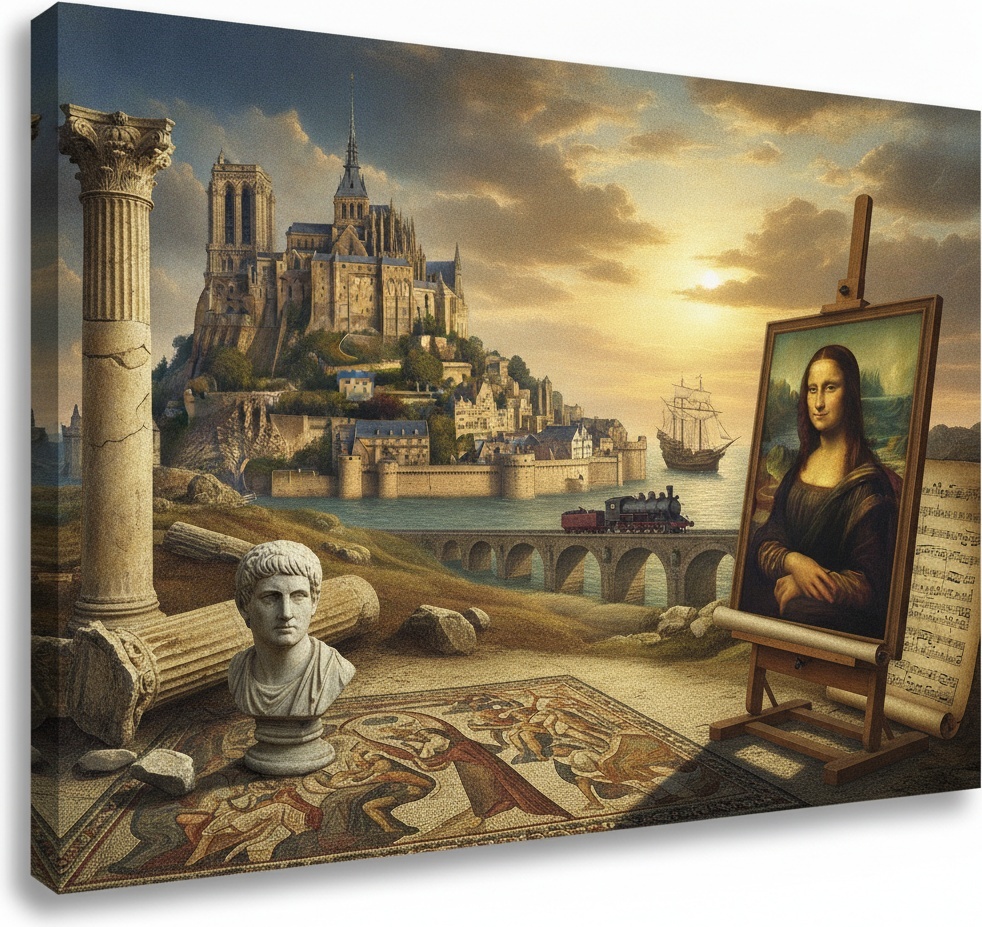
The Canvas of Kings: Royal Portraiture and the Architecture of Power
To gaze upon a royal portrait is to witness more than mere likeness; it is to encounter the carefully constructed theater of sovereignty. Throughout European history, the brush served as an essential instrument of statecraft, capturing not just the visage of a monarch, but the very legitimacy of their reign. In the 16th century, Jan Gossaert, known as the Master of Mabuse, demonstrated this profound ability in his Portrait of Christian II, King of Denmark. Through meticulous rendering and a commanding presence, such works functioned as visual manifestos, projecting stability and divine right to a watching world.
These portraits were never accidental snapshots of reality. Every fold of heavy velvet, every glint of a gemstone, and the specific placement of a hand upon a hilt were calculated symbols designed to communicate wealth, lineage, and unshakeable authority. The architecture of power was built not only with stone and mortar but with pigments and oils, creating an enduring legacy that allowed rulers to transcend their mortal lifespans. When we study these icons today, we are reading the silent language of diplomacy and the profound psychological weight of the crown.
Renaissance Reveries: The Spiritual and Humanist Evolution of Europe
As Europe transitioned from the medieval shadows into the luminous dawn of the Renaissance, art underwent a metamorphosis that mirrored the continent's intellectual rebirth. This era was defined by a delicate tension between the sacred and the human, where the divine began to take on flesh, bone, and recognizable emotion. The movement was characterized by an unprecedented fascination with perspective, anatomy, and the profound dignity of the individual, bridging the gap between the celestial and the terrestrial.
In the quiet corners of religious devotion, painters like the Master of the Joseph Sequence (often referred to as the Master of Affligem) brought a new intimacy to biblical narratives. By focusing on meticulous detail and tender, humanized scenes, these artists allowed the faithful to find themselves within the holy stories. This shift toward humanism did not diminish the spiritual; rather, it enriched it, making the divine accessible through the beauty of the natural world and the complexity of human feeling. It was a period where the brush sought to capture the very breath of God within the human experience.
Flemish Grandeur: Meticulous Detail and the Golden Age of Devotion
In the Low Countries, a unique artistic tradition emerged that would forever alter the course of Western art. The Flemish masters brought an almost supernatural precision to the canvas, a style where the microscopic detail was as significant as the grand composition. This era, particularly during the Antwerp Golden Age, saw the rise of painters like the Master of 1518, whose triptychs utilized rich, saturated colors and dramatic lighting to explore themes of deep faith and intense devotion.
The Flemish technique was a celebration of texture and light. One could almost feel the weight of a brocade sleeve or the coolness of a marble floor through the sheer skill of the artist's hand. This obsession with the tangible world—the way light refracts through a glass of wine or settles upon a petal—served to ground religious iconography in a palpable reality. Alongside this, the Master of the Female Half-Lengths contributed to this rich tapestry, offering genre scenes and landscapes that captured the quiet, everyday rhythms of life with an elegance that felt both monumental and deeply personal.
The Light of History: How Masterpieces Documented Cultural Shifts
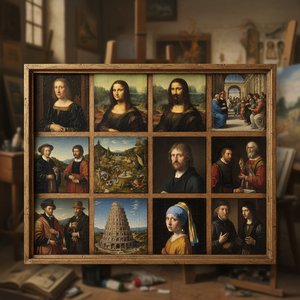
Art has always functioned as the most enduring chronicle of human progress. Beyond the grand narratives of kings and saints, the evolution of artistic style provides a roadmap of Europe's shifting cultural tides. From the intricate, symbolic complexities of the late Middle Ages to the dramatic, emotive flourishes of Mannerism, each stylistic shift reflects a society in flux. We see the traces of scientific discovery in the mastery of light and shadow, and the echoes of political upheaval in the changing subjects of portraiture and landscape.
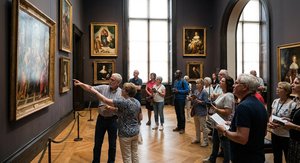
Museums such as the Strossmayer Gallery in Zagreb serve as vital repositories for these historical layers, housing works that span from the 14th to the 19th centuries. These collections allow us to trace the movement of ideas across borders—how a technique developed in Flanders might influence a painter in France or Italy. To study these masterpieces is to engage in a dialogue with the past, recognizing that every brushstroke is a heartbeat of a bygone era, documenting the triumphs, tragedies, and transformations of the European spirit.
Preserving the Past: Bringing Historical Elegance into Modern Interiors
In our contemporary, fast-paced world, there exists a profound longing to reconnect with the weight and wisdom of history. This is why the presence of classical art in modern spaces remains so vital. Integrating the aesthetic of the Old Masters into a home is not merely an act of decoration; it is an act of curation, bringing a sense of continuity and cultural depth to the living environment. Whether through the grand scale of a mural or the intimate presence of a fine oil reproduction, these works anchor a room in timelessness.
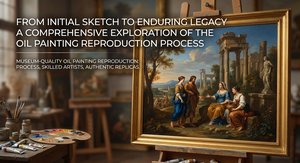
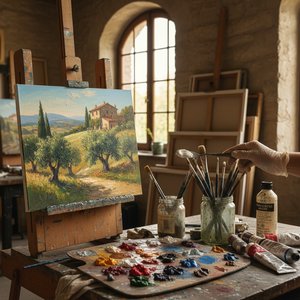
The beauty of modern craftsmanship allows us to bridge the gap between the museum and the home. We can now experience the tactile depth of hand-painted oil reproductions—works that retain the visible brushstrokes and rich tonal ranges of their ancestors—without the impossibility of owning an original Renaissance masterpiece. By surrounding ourselves with the textures, colors, and stories of the past, we create sanctuaries of reflection, ensuring that the chronicles of European history continue to breathe within the architecture of our daily lives.
At OriginalUniqueArt.com, we are dedicated to this preservation of beauty. Our mission is to make the profound legacy of the Old Masters accessible to everyone through authentic, hand-painted reproductions and expert art consultation. From custom portraits that transform personal memories into historical masterpieces to large-scale architectural frescoes, we help collectors and enthusiasts alike bring the timeless elegance of art history into the modern world.