Understanding Your Client's Vision & Art Styles
The most successful interior designs aren’t merely aesthetically pleasing; they resonate with the soul of those who inhabit the space. As designers, we are storytellers, and artwork is often the pivotal chapter. Before even considering a brushstroke or canvas size, truly understanding your client's vision is paramount. This extends beyond simply identifying preferred colors or styles – it’s about deciphering their emotional landscape, their memories, and their aspirations. Are they drawn to the serene contemplation evoked by Monet’s Cliffs near Dieppe, a piece that captures fleeting moments of light and atmosphere? Or do they respond more powerfully to the geometric dynamism of El Lissitzky’s Flying to Earth from a Distance, a Constructivist statement reflecting a bold new world order?
Navigating art styles requires a nuanced understanding. Minimalism, for instance, isn't simply about emptiness; it’s about intentionality and the power of suggestion. A carefully chosen minimalist piece can anchor a space, providing visual respite in a busy environment. Modern art, conversely, offers an opportunity to inject energy and personality. Abstract expressionism, with its emphasis on emotion and spontaneity, can be particularly effective in creating dynamic focal points. However, it’s crucial to remember that style isn't prescriptive. A client might appreciate the classical mastery of Leonardo da Vinci’s The Virgin of the Rocks, drawn to its sfumato technique and profound sense of humanity, even if their overall aesthetic leans towards contemporary design. The key is finding pieces that spark a genuine connection.
Selecting Artwork: Scale, Color & Composition
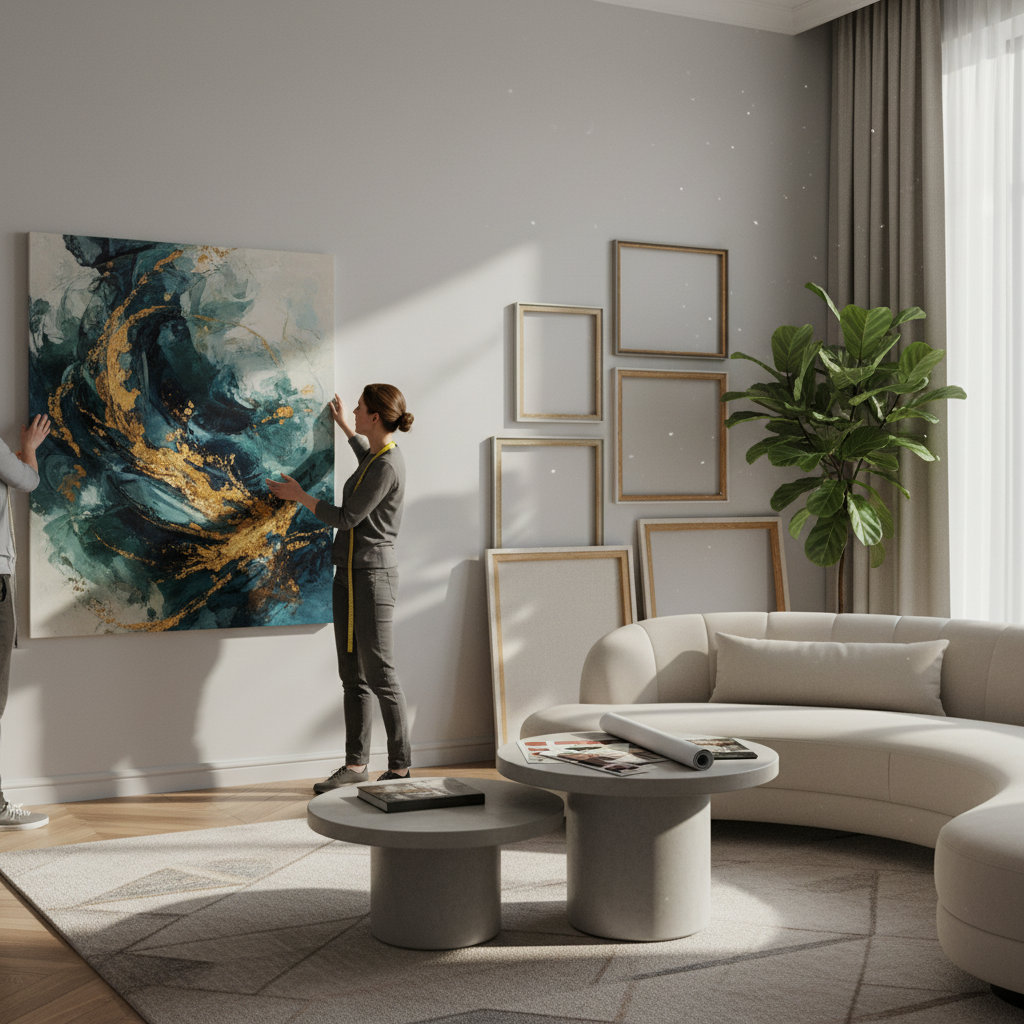
Once you have a firm grasp on your client’s preferences, the practical considerations begin. Scale is arguably the most common misstep in art selection. A piece that feels commanding in a gallery can easily be overwhelmed in a large room, while a delicate work might get lost amidst expansive furnishings. As a general guideline, artwork should occupy approximately two-thirds to three-quarters of available wall space, creating a visual anchor without dominating the environment. Consider also the sightlines within the room – where will the artwork be viewed from most often?
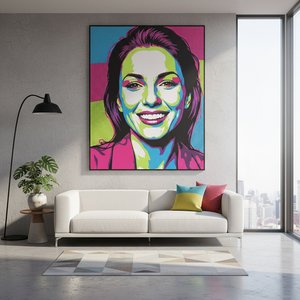
Color and composition are equally critical. A bold, vibrant painting can serve as a stunning focal point in a neutral palette, injecting energy and personality into the space. Conversely, a more subdued piece might be preferable in a room already rich with color and texture. Pay attention to the emotional impact of different hues – cool blues and greens evoke tranquility, while warm reds and oranges stimulate conversation and excitement. Compositionally, consider the balance between positive and negative space within the artwork itself, as well as its relationship to the surrounding environment. A dynamic composition can add movement and visual interest, while a more static arrangement might create a sense of calm and stability.
Sourcing & Customization Options for Designers
The world of art sourcing has expanded dramatically in recent years, offering designers unprecedented access to both established and emerging artists. Galleries remain invaluable resources, providing curated selections and expert guidance. Online platforms like offer a vast library of reproductions, allowing you to explore diverse styles and periods with ease. However, the true power lies in customization.
Today’s clients often seek artwork that is uniquely tailored to their tastes and spaces. This could involve commissioning a custom painting from an artist, recreating a beloved family photograph in the style of a master painter, or even altering the color palette of an existing work. specializes in these bespoke solutions, offering digital mockups for approval before any brushstrokes are applied. This collaborative process ensures that the final piece perfectly aligns with your client’s vision and complements their interior design scheme. Don't hesitate to explore options like group set paintings – a modern approach to creating impactful wall displays.
Seamless Integration: Framing, Placement & Logistics
The final touches are often what elevate a design from good to exceptional. Framing is not merely a functional necessity; it’s an integral part of the artwork's presentation. The choice of frame should complement both the artwork and the surrounding décor. A classic wooden frame might be ideal for a traditional painting, while a sleek metal frame could enhance a contemporary piece. Consider also the material selection – wood adds warmth and texture, while acrylic offers a modern, minimalist aesthetic.
Placement is equally important. As a general rule, artwork should be hung at eye level, typically around 57 to 60 inches from the floor. However, this can be adjusted based on the height of the ceiling and the scale of the furniture. Finally, logistics are key. provides secure packaging and reliable shipping via DHL or FedEx, ensuring that your artwork arrives safely and on time. With a dedicated customer dashboard and proactive communication, we strive to make the entire process seamless and stress-free, allowing you to focus on what you do best: creating beautiful spaces.