Understanding Art Styles: A Historical Overview
The selection of art for an interior is rarely a superficial act; it’s a conversation across time, a dialogue between personal taste and the enduring currents of artistic expression. To truly harmonize hues with history, one must first appreciate that ‘style’ in visual arts isn't merely aesthetic preference, but a distinctive manner – a fingerprint of its era. From the Renaissance’s meticulous realism to the Impressionists’ fleeting glimpses of light, each movement reflects not only evolving techniques but also profound shifts in societal values and philosophical thought. Consider the Baroque period, born from the Counter-Reformation, where dramatic compositions and opulent detail served to inspire awe and reaffirm faith. Or contrast this with the austere clarity of Neoclassicism, a deliberate return to classical ideals of order and reason during the Enlightenment. Understanding these historical contexts provides a crucial foundation for informed selection.
The very notion of artistic style emerged as art began to be categorized and studied – initially by artists themselves seeking to understand and emulate masters, later by critics and historians attempting to chart the evolution of visual language. It’s important to remember that these categories aren't rigid boxes; there is often overlap, influence, and rebellion within and between movements. A painter might embrace Impressionistic techniques while retaining a Romantic sensibility, or a sculptor may draw inspiration from both classical forms and African tribal art. This fluidity is what keeps the world of art perpetually vibrant and engaging.
Matching Art Style to Interior Design Aesthetics
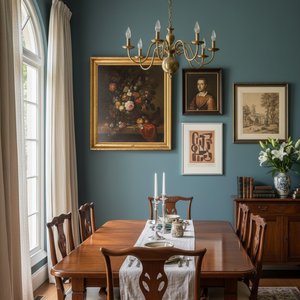
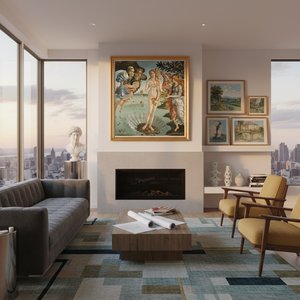
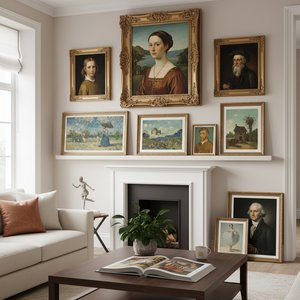
Once we acknowledge the rich tapestry of art history, the challenge becomes translating that knowledge into effective interior design. The key lies in recognizing the inherent ‘personality’ of both the space and the artwork. A minimalist modern loft demands a different artistic response than a cozy Victorian cottage. A sleek, contemporary room might be beautifully complemented by abstract expressionism – think Rothko's color fields or Pollock’s energetic drips – where form is reduced to its essence and emotion takes center stage. Conversely, a traditional interior with ornate moldings and rich fabrics would benefit from artwork that echoes this sense of grandeur and detail. Consider the works of William Mecham, for example; his depictions of opulent bedrooms in the Arts and Crafts style perfectly capture a feeling of tranquil luxury.
However, successful integration isn’t always about strict matching. A carefully chosen piece can provide compelling contrast – a bold modern sculpture in a traditional setting, or a delicate watercolor in a minimalist space. This juxtaposition creates visual interest and prevents the room from feeling monotonous. The goal is to create a cohesive narrative where each element complements and enhances the others. Think of art as the punctuation mark that completes the sentence of your interior design.
Navigating Key Movements: From Barbizon to Arts & Crafts
Certain movements lend themselves particularly well to specific interior styles. The Barbizon school, with its focus on naturalism and plein air painting, offers a sense of rustic charm ideal for country homes or spaces seeking a connection to the outdoors. Walter Gay’s interiors, depicting elegant French chateaux, evoke a timeless sophistication that can elevate any room. The Arts and Crafts movement, born as a reaction against industrialization, emphasizes handcrafted quality and natural materials – its aesthetic is perfectly suited to interiors that prioritize warmth, comfort, and authenticity.
The Other Half of the Studio by Carl Larsson exemplifies the Art Nouveau style’s embrace of organic forms and flowing lines. This charming glimpse into Swedish domestic life brings a sense of intimacy and tranquility to any space. Art Nouveau's influence extends beyond painting, impacting furniture design, ceramics, and even architecture – making it a holistic aesthetic that can transform an entire home. Pál Horti, a pioneer of Hungarian Art Nouveau, further demonstrates the movement’s innovative spirit through his groundbreaking designs in furniture and applied arts.
Customization & Commissioning: Tailoring Art to Your Vision
While selecting from established masterpieces is always an option, commissioning custom artwork offers unparalleled opportunities for personalization. Perhaps you have a cherished photograph you'd like transformed into an oil painting, or a specific color palette you wish to incorporate into a piece. ’s services allow you to collaborate directly with skilled artists to create truly unique works that reflect your individual taste and style. This is particularly valuable when seeking artwork that perfectly complements a challenging space or fulfills a very specific aesthetic vision.
The process of commissioning art isn't simply about replicating an image; it’s about engaging in a creative dialogue with the artist, discussing your preferences, and allowing their expertise to guide the final result. Whether you envision a portrait styled after Rembrandt, a landscape inspired by Monet, or an abstract composition echoing Kandinsky, the possibilities are limitless.
Resources for Designers: Streamlining the Selection Process
For interior designers seeking efficient and reliable art sourcing, provides a comprehensive suite of resources. Our extensive online catalog features over 465,000 artworks spanning various styles, periods, and mediums. We offer custom reproduction services, allowing you to create artwork in any size or format. Furthermore, our dedicated team provides expert consultation, assisting with art selection, framing options, and logistical support.
’s commitment to quality ensures that every reproduction is meticulously crafted by skilled artists using premium materials. We offer a 100% satisfaction guarantee, providing peace of mind for both designers and clients. From free art consultations to streamlined ordering and delivery, empowers you to effortlessly integrate stunning artwork into your interior design projects.