The Psychology of Space: How Art Impacts Mood & Well-being
Interior design psychology is a field within environmental psychology, which concerns the environmental conditions of the interior. It is a direct study of the relationship between an environment and how that environment affects the behavior of its i...
For centuries, humans have intuitively understood that the spaces we inhabit profoundly shape our emotional states. Long before the advent of modern psychology, cathedrals were designed to inspire awe and reverence through soaring arches and luminous stained glass; domestic interiors were filled with objects imbued with personal meaning and familial history. Today, we are beginning to scientifically unravel these ancient understandings, recognizing that interior design is not merely about aesthetics but a complex interplay between environment and psyche. The very walls around us—and the art adorning them—can act as silent architects of our mood, influencing everything from stress levels to creative inspiration.
The field of environmental psychology reveals how specific elements within a space directly impact behavior. Figures like Walter Benjamin explored the concept of ‘aura’ – the unique presence and history embedded within objects, suggesting that even reproductions carry echoes of their origins. This notion explains why a cherished family heirloom holds far more emotional weight than its monetary value. Consider the experiments conducted by John B. Calhoun, though unsettling, demonstrated how environmental density can profoundly alter behavior, mirroring anxieties found in rapidly urbanizing societies. These studies underscore the importance of creating spaces that feel expansive and breathable, fostering a sense of calm rather than confinement.
The placement of artwork is equally critical. Proxemics, the study of personal space, teaches us that humans instinctively define territories and seek optimal distances from others. A carefully chosen painting can anchor a room, establishing a focal point and inviting contemplation. Conversely, a gallery wall—a curated collection of images and objects—can evoke a sense of intimacy and shared history. The scale of the artwork also matters; larger pieces command attention and create drama, while smaller works offer moments of quiet reflection. Ultimately, the goal is to create an environment that feels both visually stimulating and emotionally grounding.
Biophilic Design & Emotional Resonance: Connecting Interiors with Nature
Biophilic design is a concept used within the building industry to increase occupant connectivity to the natural environment through the use of direct nature, indirect nature, and space and place conditions. There are various elements that serve as t...
In our increasingly urbanized world, a growing disconnect from nature has been linked to heightened stress levels and diminished well-being. The principles of biophilic design offer a powerful antidote – a conscious effort to reconnect interiors with the natural environment. This isn’t simply about adding houseplants; it's about integrating elements that tap into our innate affinity for life and lifelike processes, an idea first articulated by Erich Fromm as ‘biophilia.’
Edward O. Wilson’s work further popularized this concept, suggesting a genetic basis for our connection to nature. Consider the instinctive appeal of natural light, flowing water, and organic forms. Large windows that flood rooms with sunlight not only enhance aesthetic appeal but also regulate circadian rhythms, improving mood and sleep patterns. Open-plan floor plans without partitions allow for a seamless flow of energy and connection to outdoor views. When selecting artwork within this framework, consider pieces depicting landscapes, botanical motifs, or abstract representations of natural phenomena.
The use of warm earth tones—ochre, terracotta, olive green—reinforces this connection to nature, creating a harmonious and emotionally grounding environment. Materials like wood, stone, and linen further enhance the sensory experience, evoking feelings of calm and tranquility. Biophilic design isn’t merely a trend; it's a fundamental shift in how we approach interior spaces – recognizing that our well-being is inextricably linked to the natural world.
Curating Your Narrative: Selecting Artwork That Tells *Your* Story
The most compelling interiors are those that tell a story—a reflection of the homeowner’s journey, values, and aspirations. This begins with understanding that art isn't simply about aesthetics; it’s about identifying pieces that evoke specific memories, emotions, or beliefs. A painting acquired during a significant life event carries a unique resonance, serving as a tangible reminder of a cherished moment.
Consider the power of inherited artwork – objects passed down through generations, imbued with familial history and personal significance. These pieces aren’t merely decorative; they are conduits to the past, connecting us to our ancestors and fostering a sense of belonging. Similarly, artwork acquired during travels can evoke vivid memories of distant lands and cultural experiences. The key is to select pieces that resonate deeply with your own personal narrative.
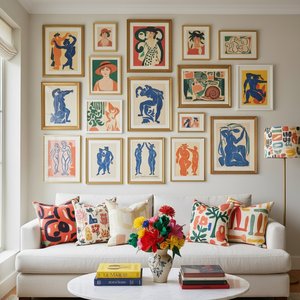
Don't be afraid to mix styles and periods – a contemporary abstract piece can complement a classic landscape painting, creating a dynamic interplay between old and new. The arrangement itself—symmetrical or asymmetrical, tightly grouped or sparsely spaced—influences the overall mood. A gallery wall, for example, can showcase a collection of personal photographs, inherited artwork, and contemporary pieces that reflect your unique journey.
Beyond the Canvas: Materials, Textures & the Sensory Experience of Art
The emotional impact of art extends beyond visual aesthetics to encompass the sensory experience. The materials and textures of artwork play a crucial role in shaping our perception and evoking specific feelings. Oil paintings, with their rich colors and tactile brushstrokes, often convey a sense of warmth and tradition. Watercolor paintings, on the other hand, evoke a feeling of lightness and delicacy.
Sculptures add depth and dimension to interiors, creating moments of visual interest and intrigue. The choice of canvas—linen or cotton, textured or smooth—further influences the overall aesthetic. Consider how different materials interact with light; glossy surfaces reflect light, creating a sense of drama, while matte surfaces absorb light, fostering a more subdued atmosphere. The use of natural materials – wood, stone, metal – reinforces the connection to nature and enhances emotional well-being.
Even the framing can contribute to the sensory experience. A gilded frame adds a touch of elegance and sophistication, while a rustic wooden frame evokes a sense of warmth and authenticity. Ultimately, the goal is to create an artwork that engages all of your senses – not just sight but also touch and even smell (the subtle aroma of oil paint or aged wood).
Color Psychology in Interior Design: Evoking Emotion Through Hue and Tone
Colors are powerful tools capable of evoking a wide range of emotions. Blue is often associated with calmness and serenity, while red conveys energy and passion. Green fosters feelings of balance and harmony, while yellow evokes optimism and joy. Understanding these principles allows for the intentional selection of artwork that creates a desired atmosphere.
When selecting artwork, consider the overall color palette of the room and choose pieces that complement or contrast existing hues. For example, incorporating warm earth tones into a neutral space can create a sense of warmth and comfort. Conversely, adding pops of vibrant color to a monochromatic scheme can inject energy and excitement. The strategic use of color can also highlight specific artworks or create focal points within the room.
Subtle variations in shade and tone can also have a profound impact. Lighter shades evoke feelings of airiness and openness, while darker shades convey sophistication and intimacy. Consider the psychological associations of different colors – for example, lavender is often associated with relaxation and creativity, while orange evokes enthusiasm and playfulness.
Investing in Well-being: The Lasting Value of a Thoughtfully Curated Collection
Art is more than just decoration; it’s a tangible expression of our values, aspirations, and memories. Investing in artwork – whether hand-painted reproductions or original pieces – enriches our lives and creates spaces that feel deeply connected to our senses. A curated collection reflects your personal journey and fosters a sense of connection to history and culture.
The act of selecting artwork—researching artists, visiting galleries, and collaborating with designers—is itself a rewarding experience. It’s an opportunity to explore new ideas, discover hidden gems, and cultivate a deeper appreciation for the creative process. Ultimately, the value of art lies not in its monetary worth but in its ability to transform spaces into reflections of our authentic selves.
At OriginalUniqueArt.com, we believe that everyone deserves to live surrounded by beauty and inspiration. We offer a vast collection of hand-painted reproductions, museum-quality prints, and custom artwork—all tailored to your individual preferences. Our expert consultants are available to provide personalized guidance, helping you select pieces that perfectly align with your space and vision. From classic masterpieces to contemporary creations, we empower you to create interiors that tell *your* story – spaces that nurture your soul and inspire a life well-lived.