
The Genesis of Feeling: Context & Origins of Expressionism
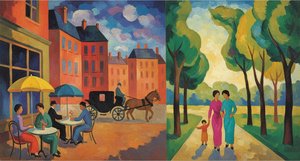
The dawn of the 20th century was a period of profound upheaval, a time when the foundations of European society were trembling under the weight of rapid industrialization, political unrest, and burgeoning psychological inquiry. It was from this fertile ground of anxiety and introspection that Expressionism arose – not as a stylistic choice, but as an urgent need to articulate the inner life in a world increasingly perceived as alienating and chaotic. Unlike Impressionism’s pursuit of capturing fleeting moments of light and color, Expressionism sought to convey the subjective emotional experience, distorting reality to amplify the intensity of feeling. This wasn't about *what* was seen, but *how* it felt.
The seeds of this artistic revolution were sown in the late 19th century with movements like Symbolism and Post-Impressionism, which began to prioritize inner states over objective representation. However, Expressionism took these explorations a step further, rejecting traditional aesthetic conventions altogether. The world was no longer to be mirrored; it was to be reshaped by the artist’s emotional response. This rejection of academic norms wasn't merely stylistic rebellion; it was a philosophical statement about the human condition in the modern age.
Key Figures & Defining Characteristics: Kirchner, Nolde & Beyond
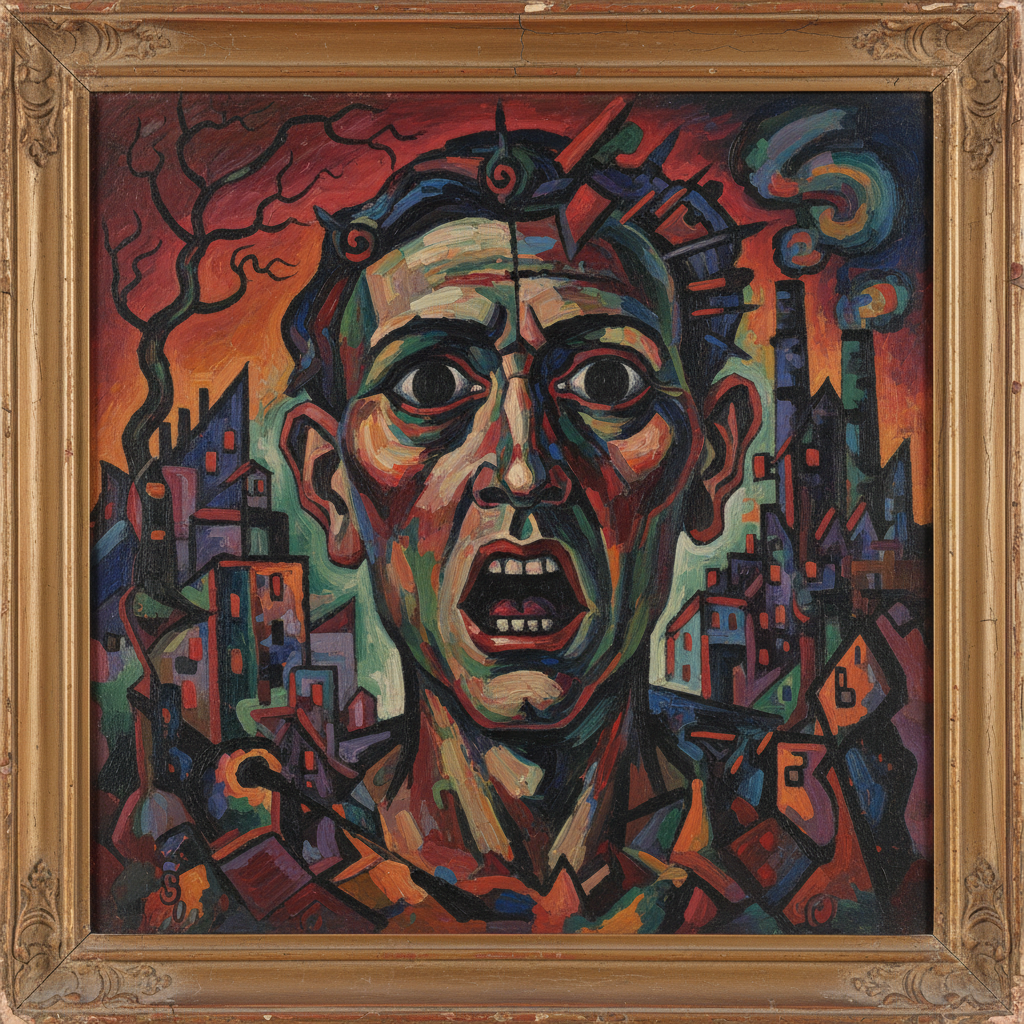
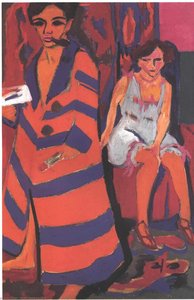
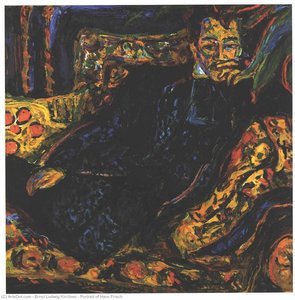
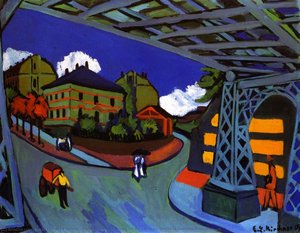
Two pivotal groups emerged as catalysts for Expressionism in Germany: *Die Brücke* (The Bridge), founded in Dresden in 1905, and *Der Blaue Reiter* (The Blue Rider), formed in Munich in 1911. Die Brücke, comprised of artists like Ernst Ludwig Kirchner, Erich Heckel, Karl Schmidt-Rottluff, and Emil Nolde, sought to forge a connection between past traditions and a new, raw artistic language. Their work often depicted urban life with jarring angles, distorted figures, and clashing colors – reflecting the alienation and anxieties of modern city dwellers. Kirchner’s “Herrenbildnis, Hans Frisch” (1907) exemplifies this approach; the subject's rigid posture and unsettling gaze convey a sense of psychological tension, while bold color choices heighten the emotional impact.
Der Blaue Reiter, with figures like Franz Marc, Wassily Kandinsky, and August Macke, took a more spiritual and abstract path. Marc’s “The Wolves (also known as Balkan War)” (1913) is a powerful example of this – the dynamic canine forms and vibrant colors are not merely representations of animals but symbolic expressions of primal forces and the impending doom of war. Nolde, though associated with both groups at different times, developed a uniquely intense style characterized by bold, often unsettling color palettes and emotionally charged landscapes. His work, like Christian Rohlfs’ “Liegender frauenakt,” demonstrates an exploration of the human form imbued with raw emotion and physicality – thick impasto adding to the sense of visceral intensity.
Decoding the Language: Themes, Techniques & Emotional Impact
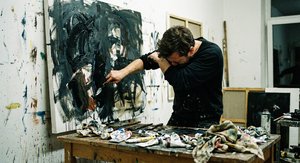
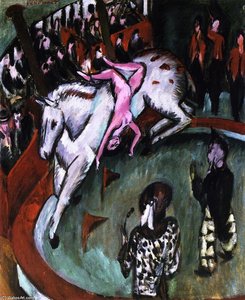
Expressionist artists employed a range of techniques to convey their inner worlds. Distortion of form was paramount; figures were elongated, flattened, or fragmented to express psychological states rather than anatomical accuracy. Color became a vehicle for emotion – often non-naturalistic and deliberately jarring. Brushwork was typically vigorous and expressive, leaving visible traces of the artist’s hand and emphasizing the act of creation itself. The goal wasn't to create a pleasing aesthetic experience but to provoke an emotional response in the viewer.
Recurring themes within Expressionist art included alienation, anxiety, social critique, and the search for spiritual meaning. The horrors of World War I profoundly impacted many artists, leading to works that reflected the trauma and disillusionment of the era. The human figure was often depicted as isolated, vulnerable, or distorted – a reflection of the perceived fragmentation of modern identity. Landscapes were frequently rendered in unsettling colors and with exaggerated forms, mirroring the inner turmoil of the artist.
Expressionism’s Legacy: Influence on Modern and Contemporary Art
The impact of Expressionism extends far beyond its initial period of activity. It laid the groundwork for numerous subsequent art movements, including Abstract Expressionism, Neo-Expressionism, and even aspects of contemporary figurative painting. The emphasis on subjective experience and emotional intensity continues to resonate with artists today.
Abstract Expressionists like Willem de Kooning drew inspiration from Expressionist techniques, particularly in their use of gestural brushwork and emotionally charged imagery. Neo-Expressionists of the 1980s, such as Georg Baselitz and Anselm Kiefer, consciously revived many of the stylistic elements of early Expressionism, exploring themes of history, trauma, and identity with a similar raw intensity. Even in contemporary art, we see echoes of Expressionist principles – a continued emphasis on personal expression, emotional honesty, and the rejection of purely aesthetic concerns.
Collecting Expressionism: A Guide for Discerning Investors
For collectors seeking to invest in this powerful movement, understanding its nuances is crucial. Works by key figures like Kirchner, Nolde, Marc, and Heckel command significant prices, reflecting their historical importance and artistic merit. However, opportunities exist to acquire works by lesser-known but equally compelling Expressionist artists.
When considering a purchase, it’s essential to research the artist's provenance, condition of the work, and market trends. Consulting with an art advisor can provide valuable insights and guidance. Focusing on pieces that genuinely resonate with your aesthetic sensibilities is paramount – collecting art should be driven by passion as well as investment potential. Expressionist works offer not only financial value but also a profound connection to a pivotal moment in art history, a testament to the enduring power of human emotion.