Introduction: The Allure of the Ordinary
There exists a quiet power in the commonplace, a subtle dignity often overlooked in favor of grand narratives and heroic feats. For centuries, artists have been drawn to this very essence – the everyday moments, the unscripted interactions, the seemingly insignificant details that collectively define the human experience. This fascination gave rise to genre painting, an art form dedicated not to kings or gods, but to us: ordinary people living ordinary lives. It’s a testament to our inherent desire to see ourselves reflected in art, to find beauty and meaning within the familiar rhythms of existence. The appeal isn't merely representational; it lies in the emotional resonance evoked by scenes that whisper stories of shared humanity.
From Antiquity to the Dutch Golden Age: The Rise of Genre Painting
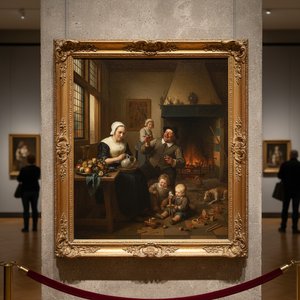
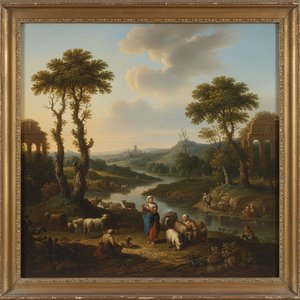
While glimpses of daily life appear throughout art history – consider the vibrant frescoes depicting market scenes in ancient Pompeii or the detailed labors of peasants within medieval illuminated manuscripts like the Très Riches Heures du Duc de Berry – genre painting as a distinct category truly blossomed in the 17th-century Netherlands. This wasn’t accidental. The burgeoning middle class, newly prosperous and eager to commission art that reflected their own world, fueled demand for depictions of domestic interiors, bustling taverns, and tranquil landscapes. Artists like Johannes Vermeer, with his masterful use of light and composition in works such as The Milkmaid, elevated these scenes beyond mere documentation. Pieter de Hooch captured the quiet intimacy of Dutch courtyards, while Quiringh Gerritsz. van Brekelenkam’s “The Fishwife” (1650-1670) exemplifies a remarkable realism, showcasing the textures and details of daily commerce with astonishing precision. These weren't simply paintings *of* life; they were imbued with a sense of psychological depth, inviting viewers to contemplate the lives unfolding within their frames.
Defining Characteristics: Realism, Narrative, and Social Commentary
Genre painting (or petit genre) is the painting of genre art, which depicts aspects of everyday life by portraying ordinary people engaged in common activities. One common definition of a genre scene is that it shows figures to whom no identity can b...
What distinguishes genre painting from other forms? At its core lies a commitment to realism – not necessarily photographic accuracy, but an attempt to capture the essence of lived experience. Artists meticulously rendered fabrics, textures, and lighting to create believable scenes. However, realism wasn’t merely about technical skill; it served a narrative purpose. Genre paintings often tell stories, subtly hinting at social dynamics, moral lessons, or simply capturing fleeting moments of human interaction. William Hogarth, for example, employed genre painting as a vehicle for “modern moral subjects,” using frankness and biting satire to critique societal ills. Even seemingly innocuous scenes could be laden with symbolism; a discarded shoe might represent marital infidelity, while a carefully arranged still life could allude to themes of mortality or abundance. The power resided in the artist’s ability to weave these layers of meaning into the fabric of everyday life.
Beyond Holland: Genre Painting in 18th & 19th Century Europe
The Dutch Golden Age laid the foundation, but genre painting didn't remain confined to the Low Countries. Throughout the 18th and 19th centuries, it spread across Europe, adapting to reflect regional cultures and artistic sensibilities. In France, artists like Jean-Baptiste Greuze focused on portraying the lives of peasants and working-class individuals, often with a sentimental or moralizing tone. The rise of Realism in the mid-19th century further solidified genre painting’s importance, as artists sought to depict life without idealization. Victorian England embraced genre scenes wholeheartedly, exemplified by Sir David Wilkie's brilliantly skilled depictions of bustling social gatherings and domestic interiors. These paintings offered a window into a rapidly changing society, capturing the anxieties and aspirations of a new era. The focus shifted from simply depicting everyday life to commenting on its complexities.
The Enduring Legacy: Genre Painting's Influence on Modern Art
While often overshadowed by grand historical narratives, genre painting’s influence extends far beyond its traditional boundaries. Its emphasis on realism and social commentary paved the way for movements like Impressionism and Post-Impressionism. Artists such as Auguste Renoir captured the fleeting moments of Parisian life with a similar focus on everyday scenes, albeit through a more subjective lens. Even abstract art owes a debt to genre painting’s exploration of form and composition. The ability to find beauty in the mundane, to elevate the ordinary to the level of artistic expression, remains a central tenet of modern art. Consider Clark Hulings' vibrant depictions of European markets – his masterful use of color and light echoes the Dutch Masters while simultaneously forging a distinctly contemporary style. The legacy is not simply about replicating scenes; it’s about seeing the world with fresh eyes, recognizing the inherent dignity in everyday existence.
Collecting the Everyday: Finding Meaning in Mundane Scenes
Today, collecting genre paintings offers more than just acquiring beautiful artworks; it's about connecting with history, culture, and shared human experiences. These paintings provide a unique window into past lives, allowing us to contemplate the values, customs, and challenges of different eras. Whether you’re drawn to the quiet intimacy of Vermeer’s interiors or the social commentary of Hogarth’s scenes, genre painting offers a profound and deeply personal connection to the past. At OriginalUniqueArt.com, we specialize in bringing these masterpieces into your home, offering handmade oil paintings and museum-quality prints that capture the essence of each original work. Explore our extensive collection and discover the captivating beauty of the everyday – a world waiting to be rediscovered.