The Rise of History Painting: Prestige and Purpose
History paintings is a genre Western art that focuses on the depiction of historical, mythological, biblical, or literary subjects, often with a moral or didactic purpose. Considered the most prestigious genre in the academic art hierarchy during the...
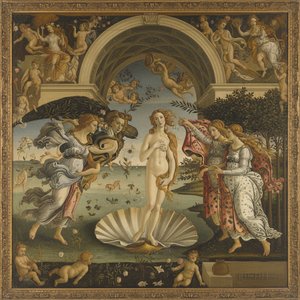
For centuries, history painting reigned supreme within the hierarchy of Western art. It wasn’t merely a depiction of past events; it was considered the highest form of artistic expression, demanding mastery of composition, anatomy, and narrative skill. This prestige stemmed from its ambition – to capture moments of profound significance, often imbued with moral lessons or heroic ideals. The term itself, derived from the Latin historia and French histoire meaning “story,” underscores this fundamental purpose: to tell a tale, to educate, and to inspire. During the Renaissance and Baroque periods, patrons – royalty, religious institutions, and increasingly, wealthy merchants – commissioned these grand canvases not simply as decoration, but as statements of power, faith, and cultural refinement. Artists like Michelangelo, with his monumental frescoes in the Sistine Chapel, set an unparalleled standard, demonstrating the genre’s capacity to convey complex theological narratives through breathtaking visual drama. The very act of choosing a historical subject implied a level of intellectual engagement; it wasn't enough to simply recreate an event, but to interpret its meaning and present it with compelling clarity.
Defining Characteristics: Narrative, Composition & Technique
Narrative art is art that tells a story, either as a moment in an ongoing story or as a sequence of events unfolding over time. Some of the earliest evidence of human art suggests that people told stories with pictures. Although there are some common...
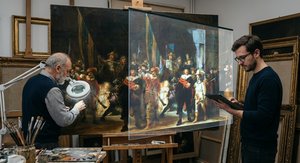
What distinguishes history painting from other genres lies in its focus on depicting moments within a larger narrative. Unlike portraiture’s static representation of an individual or still life's isolated objects, history paintings unfold a story before the viewer’s eyes. This necessitates careful composition – often featuring numerous figures engaged in dynamic interaction – to guide the eye and emphasize key elements. Artists meticulously planned these scenes, employing techniques like chiaroscuro (the dramatic contrast between light and shadow) to heighten emotional impact and draw attention to central characters or pivotal actions. Consider Rembrandt’s ‘History Painting’ (1626), a powerful example of Baroque mastery. The rich colors, symbolic details, and the masterful use of light not only recreate a scene but evoke a sense of psychological depth and tension. The figures aren't merely present; they *feel* their emotions, drawing the viewer into the heart of the narrative. Furthermore, history paintings frequently drew upon classical mythology or biblical stories, providing artists with established narratives rich in symbolism and moral weight.
Iconic Movements & Masterpieces in Historical Painting
 From Canvas to Culture: A Journey Through Masterpieces of Art History
Explore the fascinating world of art history! Discover iconic masterpieces, influential movements, and the cultural impact of art through the ages. Enhance your appreciation with our expert guide.
The evolution of history painting is inextricably linked to broader art movements. The Renaissance witnessed a revival of classical themes, exemplified by Paolo Uccello’s ‘Battle of San Romano,’ which, despite its incomplete state, showcases an early fascination with perspective and dynamic composition. The Baroque period embraced drama and emotional intensity, as seen in Peter Paul Rubens' depictions of mythological scenes like 'Diana and Callisto,' brimming with movement and sensuality. The 18th and 19th centuries saw a surge in Neoclassical history painting, characterized by its emphasis on order, reason, and civic virtue – Jacques-Louis David’s ‘Oath of the Horatii’ being a prime example. However, it was Romanticism that truly expanded the genre's scope, exploring themes of heroism, tragedy, and national identity with works like Eugène Delacroix’s ‘Liberty Leading the People.’ Each movement brought its own stylistic nuances and philosophical concerns to bear on the depiction of historical events, shaping the very definition of what constituted a “history painting.”
History Painting Beyond the Canvas: Cultural Impact & Interpretation
Art history is an academic discipline devoted to the study of artistic production and visual culture throughout human history. Art historians use a historical method or a philosophy, such as historical materialism or critical theory, to analyze artwo...
The influence of history painting extends far beyond the confines of museums and galleries. These works served as powerful tools for shaping public opinion, reinforcing societal values, and constructing national identities. Royal commissions often aimed to legitimize dynastic power or celebrate military victories, while religious paintings reinforced theological doctrines. Even seemingly neutral depictions of classical mythology carried subtle moral messages intended to guide viewers towards virtuous behavior. The study of history painting therefore requires not only an understanding of artistic technique but also a critical awareness of the historical and cultural context in which it was created. What narratives were being emphasized? Whose perspectives were being represented – or excluded? By asking these questions, we can gain deeper insights into the complex relationship between art, power, and ideology. The genre’s enduring appeal lies not just in its aesthetic beauty but also in its ability to spark dialogue about our shared past.
Modern Echoes: Contemporary Artists Reimagining the Past
While traditionally associated with earlier periods, the spirit of history painting continues to resonate within contemporary art. Artists today are revisiting historical themes and techniques, often with a critical eye towards issues of representation, identity, and power dynamics. Devon DeJardin’s recent work exemplifies this trend, reimagining Old Master portraits as secular “guardians” – figures that embody a sense of protection in a wounded society. His meticulous rendering and limited palette evoke the darkness of past eras while simultaneously offering a contemporary commentary on conflict and hope. Other artists are employing digital tools to deconstruct historical images or create entirely new narratives inspired by archival materials. This re-engagement with history isn’t about simply replicating the past but about interrogating it, challenging established interpretations, and forging new connections between then and now.
Collecting History: Finding Your Place Within a Timeless Tradition
For collectors, acquiring a reproduction of a historical painting is more than just purchasing an aesthetically pleasing object; it’s connecting with a rich artistic legacy. Whether you're drawn to the grandeur of Michelangelo or the emotional intensity of Rembrandt, owning a piece inspired by these masters allows you to engage directly with centuries of artistic innovation and cultural significance. OriginalUniqueArt offers meticulously crafted oil paintings, faithfully reproducing the brushstrokes, colors, and textures of original masterpieces. From iconic movements like the Renaissance and Baroque to contemporary reinterpretations, our collection provides a gateway to exploring the world of history painting. Consider the narrative power of the artwork – does it resonate with your personal values or evoke a particular emotional response? Choosing a piece that speaks to you is paramount. Furthermore, we offer customization options, allowing you to select the perfect size and framing style to complement your space. Investing in art isn’t simply about acquiring an object; it's about cultivating a deeper appreciation for history, culture, and the enduring power of human creativity.