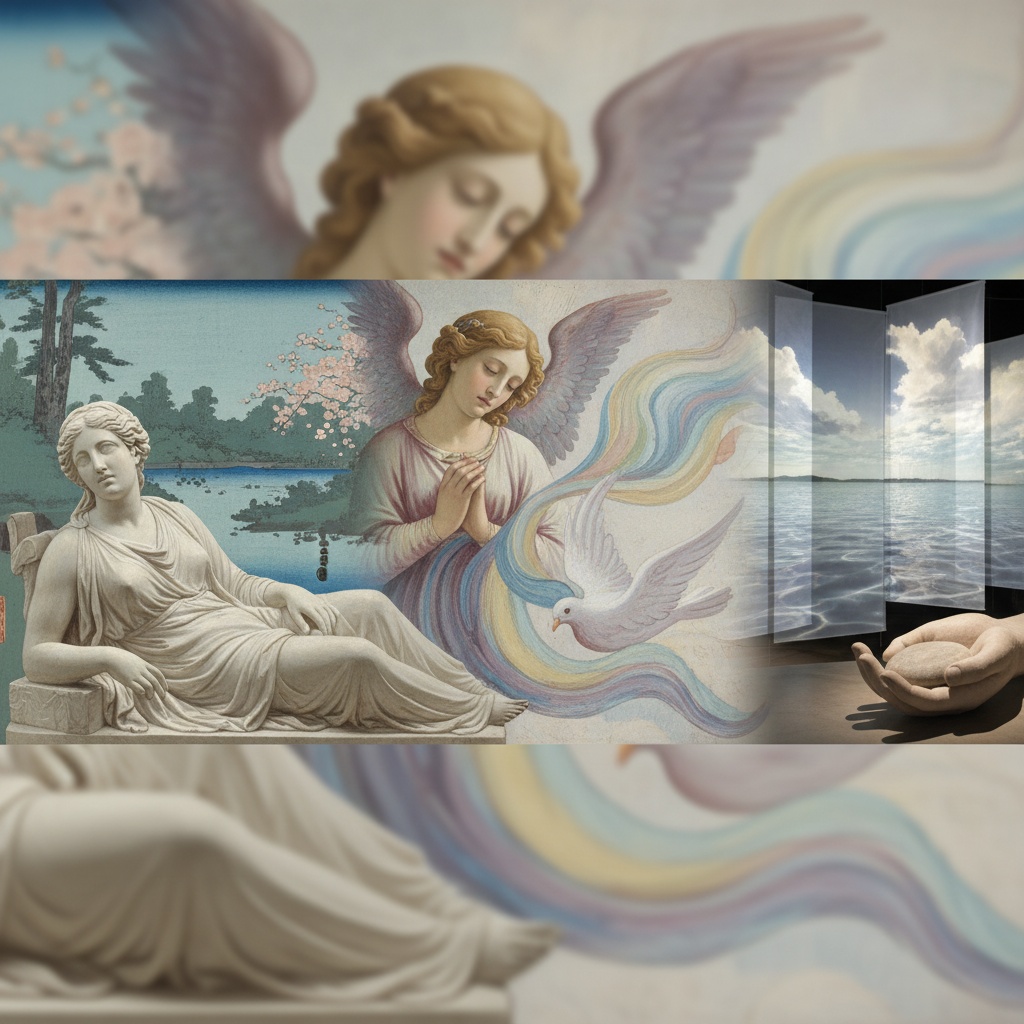
Introduction: The Enduring Appeal of Serenity in Art
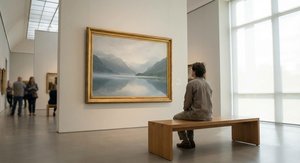
From the earliest cave paintings to the most contemporary abstract expressions, art has consistently served as a vessel for human emotion and aspiration. Yet, amidst the spectrum of feelings explored – joy, sorrow, anger, fear – perhaps none resonates more deeply or universally than the pursuit of serenity. This desire for peace, tranquility, and inner harmony isn’t merely a modern yearning; it's woven into the very fabric of our being, reflected in artistic movements across cultures and centuries. The artworks that best capture this elusive quality offer not just aesthetic pleasure but a refuge from the complexities of life, inviting contemplation and fostering a sense of calm within the viewer. This exploration delves into how artists have historically approached the depiction of serenity, tracing its evolution through Romantic landscapes, Impressionistic fleeting moments, Zen aesthetics, and contemporary minimalist expressions.
Romantic Landscapes & the Pursuit of Tranquility (19th Century)
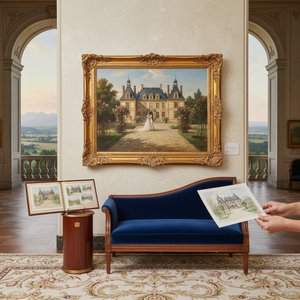
The 19th century witnessed a profound shift in artistic focus, moving away from the rigid formalism of earlier periods towards a more emotive and subjective representation of the world. This era, particularly within the Romantic movement, saw nature elevated to an almost spiritual status. Artists like Asher Brown Durand, exemplified by his masterpiece “Military Headquarters on the Hudson,” didn’t simply *depict* landscapes; they sought to capture their inherent tranquility and grandeur. The meticulous detail in Durand's work—the play of light on foliage, the gentle curve of the river, the vastness of the sky—all contribute to a sense of awe and peaceful contemplation. These weren’t scenes intended as literal representations but rather idealized visions of rural beauty, offering an escape from the burgeoning industrialization and societal upheaval of the time. The scale of these paintings often mirrored the sublime power of nature itself, inviting viewers to lose themselves in its immensity and find solace within it. This focus on untouched wilderness wasn’t just aesthetic; it was a philosophical statement about the restorative power of the natural world.
Impressionism's Fleeting Moments of Peace and Reflection
As the 19th century progressed, Impressionism emerged as a radical departure from traditional academic painting. While often celebrated for its vibrant colors and depiction of modern life, the movement also possessed a remarkable sensitivity to fleeting moments of peace and reflection. Artists like Claude Monet and Pierre-Auguste Renoir weren’t interested in capturing grand narratives or idealized landscapes; instead, they focused on the ephemeral qualities of light and atmosphere. Consider the gentle stillness captured in many of Renoir's scenes of leisurely life by water – a quiet pond reflecting sunlight, figures lost in peaceful conversation. These paintings aren’t about dramatic events but rather subtle observations of everyday beauty. The broken brushstrokes and soft palettes create an impressionistic haze, evoking a sense of calm and tranquility that mirrors the subjective experience of being present in the moment. The emphasis shifted from detailed realism to capturing the *feeling* of serenity—the warmth of the sun on skin, the gentle breeze rustling through leaves, the quiet murmur of water.
Zen Aesthetics & Minimalist Expressions of Calmness
Across continents and cultures, a parallel pursuit of tranquility was unfolding in Eastern art traditions. Japanese Zen painting, for example, prioritized simplicity, emptiness, and intuitive expression. Artists like Kakutei masterfully employed silk landscapes imbued with a profound sense of stillness and harmony. Unlike the detailed compositions of Western Romanticism, Zen paintings often feature sparse arrangements—a single tree, a distant mountain peak, a flowing stream—allowing ample space for contemplation and introspection. The use of ink wash techniques creates subtle gradations of tone and texture, evoking a sense of depth and atmosphere without relying on elaborate detail. This aesthetic isn’t about representing the external world but rather revealing the inner essence of things – the quiet beauty of nature, the interconnectedness of all beings. The power lies in what is *not* depicted, inviting viewers to fill the empty spaces with their own thoughts and emotions.
Contemporary Interpretations: Agnes Martin and Beyond
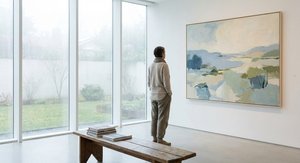
The 20th and 21st centuries have seen a continuation of this exploration of serenity through various artistic mediums. Agnes Martin, a pivotal figure in minimalist art, dedicated her life to creating paintings that evoke tranquility and spiritual contemplation. Her signature style—characterized by subtle grids and delicate color palettes—rejects overt expressionism in favor of quiet introspection. Martin believed that true beauty lies in simplicity and emptiness, allowing viewers to experience a sense of peace and harmony through pure form and color. Her works aren’t about representing anything specific; they are intended as invitations to slow down, breathe deeply, and connect with one's inner self. Beyond Martin, numerous contemporary artists continue to explore themes of serenity through abstract expressionism, installation art, and digital media, often incorporating natural elements and meditative practices into their work.
Cultivating Serenity in Your Space: Selecting Art for Peaceful Decor
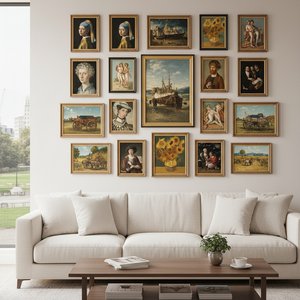
The desire to bring a sense of calm and tranquility into our living spaces is as strong today as it ever was. Selecting artwork that evokes these feelings can be transformative, creating a refuge from the stresses of modern life. Whether you gravitate towards the grandeur of Romantic landscapes, the delicate beauty of Impressionism, or the minimalist simplicity of Zen art, consider how the colors, composition, and subject matter resonate with your personal sense of peace. Driftwood tones, as highlighted in recent collections, offer a particularly soothing palette, evoking the natural world and fostering a sense of grounding. Young Girl in a Punt by Arthur Hacker provides an example of Victorian landscape painting that can bring a unique serenity to any room. Ultimately, the most effective artwork is one that speaks to you personally—a piece that invites contemplation, fosters relaxation, and transforms your space into a sanctuary. OriginalUniqueArt offers a vast selection of museum-quality reproductions, allowing you to experience the beauty and tranquility of these masterpieces in your own home. Explore our collection today and discover the perfect artwork to cultivate serenity in your life.