The Rise of Genre Painting: Capturing Everyday Life
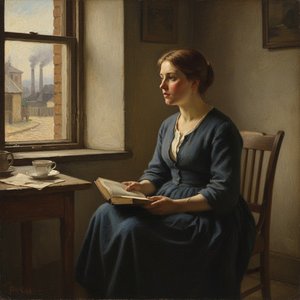
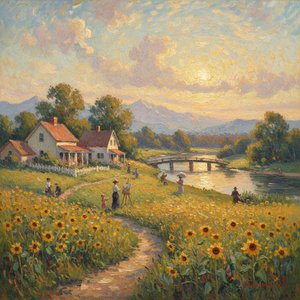
Genre painting (or petit genre) is the painting of genre art, which depicts aspects of everyday life by portraying ordinary people engaged in common activities. One common definition of a genre scene is that it shows figures to whom no identity can b...
Before the grand narratives of history dominated canvases, before portraits enshrined the elite, there existed a quiet revolution – the rise of genre painting. Emerging primarily in 17th-century Netherlands, this movement turned its gaze inward, focusing not on gods and heroes but on the lives of ordinary people. Artists like Johannes Vermeer, Jan Steen, and Pieter de Hoooh captured scenes of domesticity with meticulous detail, offering glimpses into the daily routines, intimate moments, and subtle social dynamics of a burgeoning middle class. It wasn’t merely about replication; these paintings were imbued with symbolism, moral lessons often subtly woven into the fabric of everyday life. A seemingly simple depiction of a woman writing a letter could allude to themes of fidelity or deception, while a lively tavern scene might serve as a commentary on societal vices. This shift represented a democratization of art – a move away from commissions dictated by power and towards a reflection of shared human experience.
Social Realism's Critique of Power Structures
As the 19th century dawned, a more overtly critical strain emerged: Social Realism. Born out of the industrial revolution and growing social inequalities, this movement aimed to draw attention to the harsh realities faced by the working class. Unlike genre painting’s often gentle observations, Social Realism was explicitly political, functioning as a visual protest against oppressive systems. Artists weren't simply depicting life; they were exposing its injustices. The term itself encompasses a broad range of artistic approaches, united by a commitment to representing the socio-political conditions of the working class and challenging established power structures. While stylistic variations existed across nations, descriptive or critical realism remained central. The goal wasn’t aesthetic beauty for its own sake but rather to provoke thought, inspire empathy, and ultimately, incite change.
19th-Century Social Commentary in European Art
Across Europe, artists responded to the changing social landscape with increasing urgency. In Britain, painters like Luke Fildes and Frank Holl documented the plight of the poor, their works widely disseminated through publications like The Graphic, bringing these issues into the homes of a wider audience. In Russia, the Peredvizhniki (“Wanderers”) formed an artistic collective dedicated to portraying the lives of peasants and denouncing the injustices of Tsarist rule. Ilya Repin famously stated his intention to “criticize all the monstrosities of our vile society.” These artists weren’t detached observers; they actively engaged with social issues, using their art as a form of advocacy. The Irish genre paintings of John Watson Nicol, for example, offered poignant depictions of rural life and the struggles faced by its inhabitants, echoing similar concerns found throughout Europe.
American Social Realism: Depression-Era Narratives
The interwar period witnessed the flourishing of American Social Realism, fueled by the economic devastation of the Great Crash. Artists sought to capture the hardship and resilience of ordinary people during this tumultuous time. This movement differed from its European predecessors in its direct engagement with Marxist ideology and a desire to create art accessible to the masses. William Gropper’s illustrations for publications like New Masses exemplify this approach, utilizing bold imagery and stark black-and-white compositions to expose capitalist exploitation and champion the working class. The focus shifted from simply depicting suffering to actively promoting revolutionary ideals, envisioning a future where workers held power. This period saw a conscious effort to break away from European modernism, prioritizing political content over stylistic innovation.
Beyond Representation: Exploring the Emotional Impact of Social Scenes
What truly elevates these works beyond mere documentation is their ability to evoke empathy and emotional resonance. Giuseppe Maria Crespi’s “Matrimony” (1712), while seemingly a simple depiction of a wedding ceremony, captures the intimacy and social complexities of 18th-century Europe with remarkable sensitivity. Similarly, Henry Bacon's "Égalité" (1889) presents a lively carriage scene that subtly hints at class dynamics and societal interactions. The power lies in the artists’ ability to portray not just *what* people were doing but *how* they felt – their anxieties, hopes, and struggles. This emotional depth is achieved through masterful use of light, composition, and subtle gestures, inviting viewers to connect with the subjects on a deeply human level.
The Enduring Legacy of Socially Conscious Art
The legacy of social realism and genre painting extends far beyond their historical contexts. These movements demonstrated the power of art as a tool for social commentary, challenging viewers to confront uncomfortable truths and question established norms. Today, artists continue to explore themes of inequality, identity, and political injustice, drawing inspiration from these predecessors while forging new paths. At OriginalUniqueArt.com, we celebrate this rich artistic tradition by offering high-quality reproductions of iconic works, allowing you to bring the power of socially conscious art into your own home. Explore our collection and discover how artists throughout history have used their craft to reflect society’s realities and inspire change – a testament to the enduring human need for connection, empathy, and justice.