The Rise of 'Post-Blackness' & Challenging Artistic Conventions
Film as a Subversive Art is a fully illustrated 1974 film history book by Amos Vogel with mini-essays on over 600 films. == Summary == The book was a catalogue of films that broke aesthetic, sexual and ideological boundaries. == Selected examples...
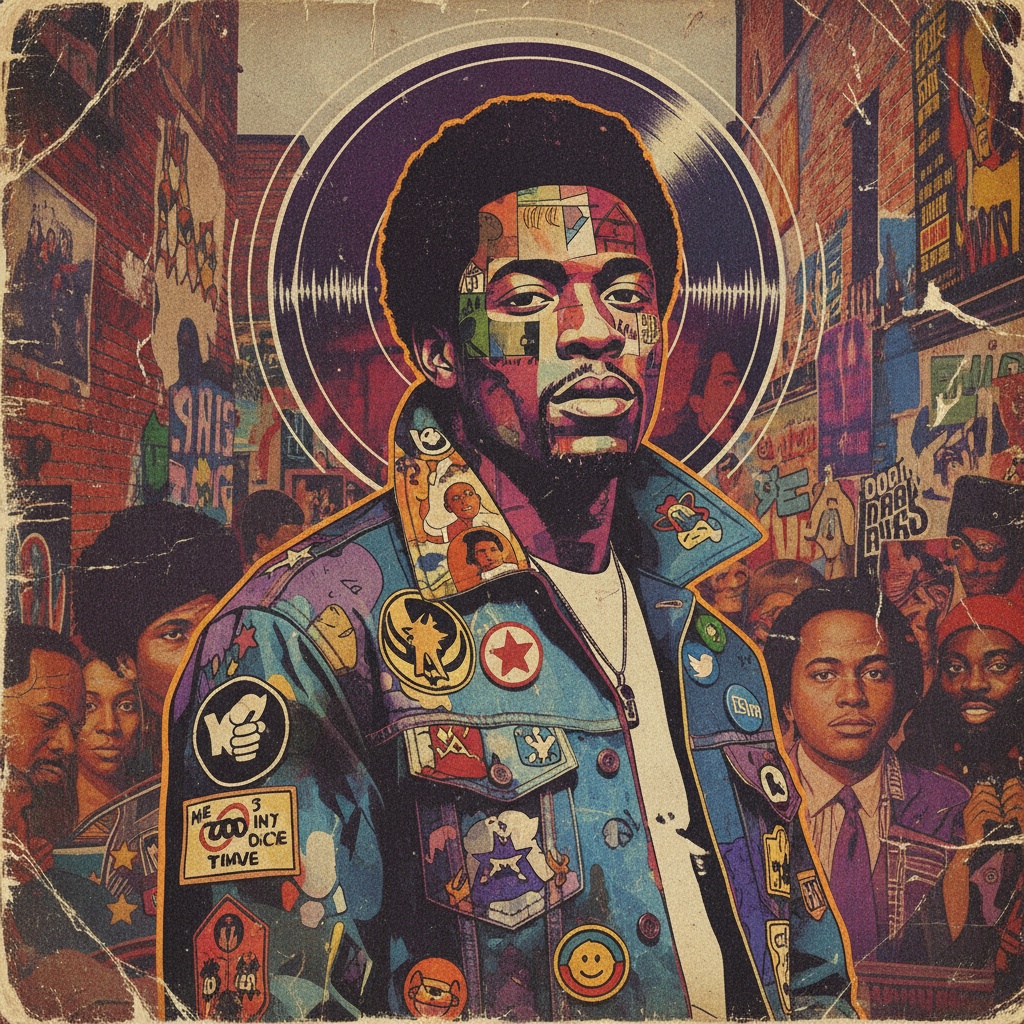
The latter decades of the 20th century witnessed a seismic shift in artistic discourse, moving beyond established categories and embracing complexities previously marginalized. This period birthed what came to be known as ‘post-blackness’ – not an abandonment of Black identity, but rather a deliberate dismantling of monolithic representations and a fervent exploration of subjectivity within it. Artists began rejecting the expectation of speaking *for* a community, instead focusing on individual experiences filtered through the lens of race, history, and personal trauma. This wasn't merely a stylistic shift; it was a fundamental re-evaluation of authorship, authenticity, and the very purpose of art in a post-civil rights era. Conceptual frameworks inherited from Minimalism and Abstract Expressionism were interrogated, often violently disrupted, to create space for narratives that had long been silenced. The demand for genuine emotional resonance, coupled with a rejection of intellectual pretense, paved the way for a new generation of artists unafraid to confront uncomfortable truths and challenge established power structures.
Mingering Mike: A Biography in Subversion – Context & Influences
 The Raw Emotion of Expressionism: A Revolution in 20th-Century Art
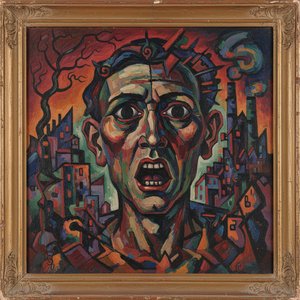
Explore the revolutionary world of Expressionism with . Discover key artists like Kirchner & Nolde, understand its emotional impact, and learn how to collect this influential art movement.
Mingering Mike, an artist whose work defies easy categorization, emerges from this fertile ground as a particularly compelling figure. His biography is inextricably linked to the socio-political climate of his upbringing—a context steeped in both the promise and limitations of progress. While biographical details remain deliberately obscured (a conscious act of subversion itself), it’s clear that Mike's artistic trajectory was shaped by a deep engagement with the Black Arts Movement, particularly its emphasis on self-determination and cultural reclamation. However, he doesn’t simply *reiterate* the tenets of this movement; rather, he refracts them through a distinctly contemporary sensibility. Influences are layered and often unexpected: echoes of Basquiat's raw energy resonate alongside the psychological intensity of Francis Bacon and the distorted figures of German Expressionists like Kirchner and Nolde. He also draws inspiration from film—specifically, the subversive cinema cataloged by Amos Vogel in *Film as a Subversive Art*, embracing its willingness to confront taboo subjects and challenge conventional narrative structures. This eclectic mix informs his unique visual language, one characterized by fragmented forms, jarring color palettes, and an unsettling sense of psychological tension.
Deconstructing the Self: Portraiture as a Site of Resistance and Reclamation
Self-portraiture, or Autoportraiture is the field of art theory and history that studies the history, means of production, circulation, reception, forms, and meanings of self-portraits. Emerging in Antiquity and becoming popular from the Renaissance ...
Central to Mike’s oeuvre is the act of portraiture—but not in any traditional sense. His subjects are rarely idealized; they are often rendered with deliberate crudeness, their features distorted, their gazes unsettlingly direct. This isn't about capturing likeness; it’s about excavating identity. He employs self-portraiture extensively, but these aren’t exercises in vanity or self-aggrandizement. Instead, they function as acts of radical vulnerability and a refusal to be defined by external perceptions. Drawing on the rich history of self-representation—from Dürer's meticulous studies to Rembrandt’s unflinching honesty—Mike pushes the boundaries of what a portrait can *be*. He utilizes exaggerated features reminiscent of Roy Lichtenstein’s pop art aesthetic, but subverts their playful energy with a darker, more confrontational intent. The faces are not simply representations; they are battlegrounds where internal conflicts and societal pressures collide. This deliberate disruption of conventional beauty standards is a powerful act of resistance, reclaiming agency over representation in a world that often seeks to erase or misrepresent marginalized identities.
Aesthetic Strategies: Expressionism, Neo-Expressionism & the Raw Emotionality of Mike’s Work
The aesthetic foundations of Mingering Mike's work are firmly rooted in the traditions of Expressionism and its later manifestation, Neo-Expressionism. Like his predecessors, he prioritizes subjective experience over objective reality, employing a visceral handling of paint that conveys raw emotional intensity. He embraces imperfections—brushstrokes are visible, textures are rough, colors clash—rejecting the polished surfaces of Minimalism in favor of a more immediate and authentic form of expression. This deliberate rejection of technical finesse is not simply stylistic; it’s a conscious attempt to disrupt the commodification of art and reclaim its power as a vehicle for genuine feeling. The influence of Neo-Expressionism is particularly evident in his willingness to confront difficult subjects—trauma, alienation, social injustice—with unflinching honesty. However, Mike distinguishes himself from many of his contemporaries through his nuanced exploration of identity and his refusal to succumb to easy categorization. His work isn’t simply about expressing emotion; it’s about interrogating the very structures that shape those emotions.
Collecting Mingering Mike: Navigating Value, Provenance & Contemporary Significance
As Mingering Mike's reputation continues to grow, his works are increasingly sought after by collectors and institutions alike. However, navigating the market for an artist who deliberately resists conventional categorization requires a discerning eye. Provenance is key—understanding the history of each piece and its connection to the artist’s broader project is crucial. While early works may be more accessible in terms of price point, later pieces often command higher values due to their increased complexity and critical acclaim. Investing in Mingering Mike isn't simply about acquiring a visually striking artwork; it’s about supporting an artist who is actively challenging the status quo and pushing the boundaries of contemporary art. His work resonates deeply with collectors interested in themes of identity, social justice, and the power of self-expression. The increasing recognition of his contribution to the ongoing dialogue surrounding post-blackness ensures that his pieces will continue to appreciate in value—not just as commodities, but as important cultural artifacts. OriginalUniqueArt.com offers a curated selection of high-quality reproductions of Mingering Mike’s work, allowing collectors to experience the power and emotional resonance of his art firsthand. We also provide expert consultation services to help you navigate the complexities of collecting contemporary art and build a collection that reflects your individual values and aesthetic sensibilities.