The Classical Roots: Figure Painting from Antiquity to the Renaissance
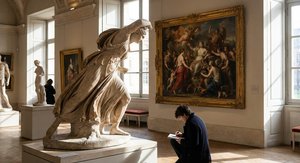 The Eloquent Body: A Historical & Artistic Exploration of Figures in Painting & Sculpture
Explore the rich history of figure painting & sculpture! Discover classical masterpieces, modern interpretations, and expert insights for art lovers & collectors. OriginalUniqueArt offers museum-quality reproductions.
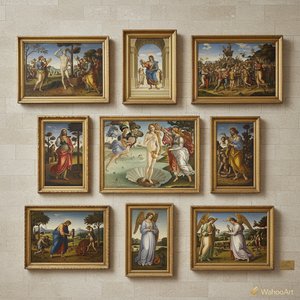
The human figure has occupied a central position in artistic endeavor since the dawn of civilization. From the earliest cave paintings – rudimentary yet profoundly expressive depictions of hunts and rituals – to the monumental sculptures of ancient Greece and Rome, humankind has sought to understand itself through its own image. These early works weren’t merely representations; they were imbued with spiritual significance, often connected to mythology, power, and the afterlife. The Greeks, in particular, elevated the human form to an ideal, striving for anatomical perfection and harmonious proportions – a pursuit that would define Western aesthetics for centuries. This emphasis on realism wasn't simply about accurate depiction; it was a philosophical quest to embody beauty, truth, and virtue. The Roman adaptation of Greek ideals further solidified this tradition, though often with a greater focus on portraiture and historical narrative. The fall of the Roman Empire saw a shift in artistic priorities, but the classical legacy remained potent, resurfacing powerfully during the Renaissance.
The Renaissance witnessed a fervent rediscovery of classical learning and art. Artists like Leonardo da Vinci, Michelangelo, and Raphael meticulously studied anatomy, perspective, and composition, building upon the foundations laid by their predecessors. Da Vinci’s anatomical drawings are testaments to this dedication, revealing not just an understanding of muscle and bone but also a profound reverence for the complexity of the human body. Michelangelo's sculptures – David being perhaps the most iconic example – embody both physical power and intellectual grace. The Renaissance figure wasn’t simply a subject; it was a vessel for conveying emotion, storytelling, and philosophical ideas. The use of oil paint allowed for unprecedented levels of detail and realism, enabling artists to capture subtle nuances of light, shadow, and texture.
Portraiture's Evolution: Capturing Identity Through the Ages
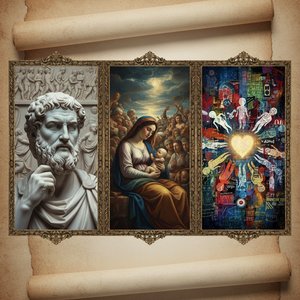 The Enduring Presence of Figures in Art History: Representation, Emotion & Cultural Significance
Explore the rich history of figure painting with OriginalUniqueArt. Discover Renaissance masterpieces, portraiture's evolution & the enduring power of human representation in art. Expert insights for collectors.
While figure painting initially focused on idealized forms or mythological narratives, portraiture gradually emerged as a distinct genre. Early portraits were often reserved for royalty and nobility, serving as symbols of power and status. However, with the rise of merchant classes during the Renaissance and Baroque periods, demand for portraiture expanded, leading to greater diversity in subject matter and style. Artists began to explore not just physical likeness but also the inner character and social standing of their sitters.
The 17th and 18th centuries saw a flourishing of portraiture, with artists like Rembrandt van Rijn and Jean-Antoine Watteau developing unique approaches to capturing personality. Rembrandt’s portraits are renowned for their psychological depth, achieved through masterful use of chiaroscuro – the dramatic contrast between light and shadow. Watteau, on the other hand, specialized in *fête galante* scenes, depicting aristocratic life with elegance and charm. The 19th century brought further innovations, with artists like Gustave Courbet challenging traditional conventions and embracing realism. Portraiture became a vehicle for social commentary as well as individual representation.
Modern Disruptions: Expressionism, Cubism, and the Fragmentation of Form
 The Enduring Appeal of Figurative Painting: A Historical Survey of Representation, Emotion & Modern Interpretations
Explore the rich history of figurative painting, from ancient masterpieces to contemporary works. Discover key movements, artists & techniques shaping this enduring art form. Expert insights for collectors and enthusiasts.
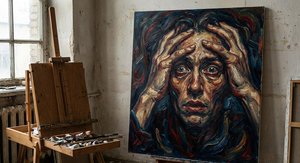
The early 20th century witnessed a radical departure from representational art. Fueled by rapid technological advancements and societal upheaval, artists began to question traditional notions of beauty, form, and perspective. Expressionism sought to convey subjective emotions and inner experiences through distorted forms and vibrant colors. Artists like Edvard Munch and Ernst Ludwig Kirchner used bold brushstrokes and unsettling imagery to express feelings of anxiety, alienation, and despair.
Cubism, pioneered by Pablo Picasso and Georges Braque, further shattered traditional conventions by fragmenting objects and depicting them from multiple viewpoints simultaneously. This revolutionary approach challenged the very notion of a single, unified perspective. The human figure became deconstructed, analyzed, and reassembled in abstract forms. While seemingly abandoning realism, Cubism was not simply about rejecting representation; it was an attempt to explore the underlying structure of reality. These movements paved the way for further experimentation and abstraction.
Existential Anguish & Psychological Depth: The 20th-Century Figure
 two figures, 1953
Inspired by Picasso's Guernica, "Two Figures" exemplifies Bacon's preoccupation with themes of violence, isolation, and primal instinct. It remains a powerful symbol of existential angst.
The aftermath of two World Wars profoundly impacted artistic expression. Artists grappled with themes of trauma, alienation, and existential angst. Francis Bacon, a key figure in this period, created haunting and visceral paintings that explored the darker aspects of human existence. His distorted figures, often depicted in claustrophobic spaces, convey a sense of isolation, violence, and primal instinct. “Two Figures” (1953), inspired by Picasso’s “Guernica,” exemplifies this preoccupation with themes of suffering and despair. Similarly, artists like Alberto Giacometti created elongated, emaciated sculptures that reflected the fragility and alienation of modern life.
The exploration of the subconscious mind also played a significant role in 20th-century figure painting. Surrealist artists like René Magritte challenged perception with dreamlike imagery and enigmatic compositions. “La Représentation” (1926), for example, questions the relationship between image and reality, prompting viewers to contemplate the nature of representation itself. These artists sought to unlock the hidden depths of the human psyche through unconventional techniques and symbolic language.
Contemporary Figurative Painting: New Approaches and Enduring Themes
 beatrice kreloff
Explore Beatrice Kreloff's evocative paintings! Known for her vibrant figures & symbolic imagery, this artist’s work captures human emotion & timeless beauty.
Despite the rise of abstraction and conceptual art, figurative painting has experienced a resurgence in recent decades. Contemporary artists are exploring new approaches to representation, blending realism with abstraction, symbolism, and personal narratives. Artists like Beatrice Kreloff create evocative paintings that capture human emotion and timeless beauty through vibrant figures and symbolic imagery. Jane Clatworthy is known for her oil paintings capturing human emotion and form, particularly portraits with a focus on male figures, blending realism with subtle abstraction.
Francis Lane’s haunting portraits explore the complexities of human emotion and identity. These artists demonstrate that the human figure remains a powerful subject for artistic expression, capable of conveying a wide range of emotions, ideas, and experiences. The enduring appeal of figurative painting lies in its ability to connect with viewers on a deeply personal level, prompting reflection on our own humanity.
Collecting Figures: Considerations for Building a Meaningful Collection
For the discerning collector, acquiring works featuring the human figure offers a unique opportunity to engage with centuries of artistic tradition. When building a collection, consider your personal aesthetic preferences and thematic interests. Do you gravitate towards classical realism, modern abstraction, or contemporary interpretations? Exploring different movements and artists will help you refine your taste and identify pieces that resonate with you.
Provenance – the history of ownership – is an important factor to consider when evaluating a work’s authenticity and value. Researching the artist's background, exhibition history, and critical reception can provide valuable insights. Furthermore, condition plays a crucial role in determining a painting’s worth. Seek advice from art experts and consult reputable galleries or auction houses before making any significant purchases. At OriginalUniqueArt.com, we offer museum-quality reproductions of masterpieces as well as custom paintings from photos, allowing you to build a collection that reflects your individual style and passion for art. Our commitment to quality, authenticity, and customer satisfaction ensures a rewarding collecting experience.