The Enduring Appeal of Earth Tones: A Historical Perspective
Earth tone is a term used to describe a palette of colors that are similar to natural materials and landscapes. These colors are inspired by the earth's natural hues, including browns, greens, grays, and other warm and muted shades. The term earth to...
From the ochre pigments ground from ancient soils to the subtle greens found in Renaissance landscapes, earthy tones have held a profound and consistent presence throughout art history. This isn’t merely a matter of aesthetic preference; it speaks to something deeply ingrained within the human psyche – a connection to the natural world that predates civilization itself. Early cave paintings, rendered with pigments derived from charcoal, clay, and minerals, weren't simply depictions of hunts or rituals; they were an attempt to commune with the forces of nature, to capture its essence on stone. This primal link continued through the civilizations of Mesopotamia and Egypt, where terracotta hues reflected readily available materials and symbolized a grounded existence tied to the land. The warmth of these colors wasn’t accidental; it mirrored the sun-drenched landscapes that defined their world.
As artistic movements evolved, so too did the *application* of earthy tones, though never their fundamental appeal. During the medieval period and the Renaissance, while vibrant blues and golds often signified religious devotion, a subtle undercurrent of earthiness remained – in the skin tones of figures, the landscapes forming backdrops to biblical scenes, and the very plaster walls upon which frescoes were painted. The Proto-Renaissance masterpiece by Giotto di Bondone in the Scrovegni Chapel exemplifies this beautifully. While revolutionary for its realism and emotional depth, the ‘Wedding Procession’ still relies on a palette rooted in natural observation – the browns of clothing, the greens of foliage, creating a sense of tangible humanity within a sacred space. This wasn't simply about replicating reality; it was about imbuing religious narratives with relatable warmth and accessibility.
Color Psychology & Grounded Hues: Evoking Emotion Through Palette
 The Chromatic Spectrum of Feeling: Exploring Color & Emotion in Art History
Explore the fascinating relationship between color and emotion in art history. Discover how master artists used color to evoke feelings & cultural meanings, plus the psychology behind it all.
The enduring popularity of earthy tones isn’t solely rooted in historical precedent; it’s deeply connected to the psychology of color. These hues, unlike their brighter counterparts, possess a unique ability to evoke feelings of stability, comfort, and tranquility. Consider the psychological impact of browns – they are associated with reliability, resilience, and the very foundations of our existence. Greens, naturally, speak to growth, renewal, and harmony. These aren’t arbitrary associations; they stem from our innate connection to the natural world, a subconscious recognition of colors that have historically signified safety and sustenance.
The power of color extends beyond simple association. Muted earthy tones create a calming backdrop, allowing other elements within an artwork – or a room – to take center stage without overwhelming the senses. This is why they are often favored in spaces designed for relaxation and contemplation. The subtle variations within an earth tone palette also contribute to its emotional resonance. A warm ochre can evoke feelings of coziness and intimacy, while a cooler gray-brown might inspire quiet reflection. Artists intuitively understand this nuance, carefully selecting shades that complement the overall mood they wish to convey.
Mastering the Earth Tone Spectrum: Key Colors and Their Nuances
Defining an “earth tone” can be surprisingly complex. While browns, tans, greens, and grays form the core of the palette, the variations within each category are vast and impactful. Warm ochres, reminiscent of sun-baked clay, offer a sense of rustic charm and intimacy. Terracotta tones, with their reddish undertones, evoke feelings of warmth and energy. Olive greens, often found in Mediterranean landscapes, suggest tranquility and natural abundance. Taupes, a sophisticated blend of gray and brown, provide a neutral backdrop that complements a wide range of other colors.
Beyond these core hues, subtle variations play a crucial role. Consider the difference between a cool, muted sage green and a vibrant emerald green – one evokes serenity and contemplation, while the other exudes energy and vitality. Similarly, the undertones within browns can dramatically alter their emotional impact; a reddish-brown might feel warmer and more inviting than a cooler, grayish-brown. Mastering this spectrum requires an understanding of color theory and a keen eye for nuance.
Iconic Artworks Embracing Earthy Palettes: From Giotto to Gorky
![Scrovegni - [12] - Wedding Procession](/media/artworks/images/thumbnails/fe/ae/feae459a373c4353a1d7e50565179446.jpg) Scrovegni - [12] - Wedding Procession
Scrovegni - [12] - Wedding ProcessionExplore Giotto’s ‘Wedding Procession’! A revolutionary fresco masterpiece from Padua’s Scrovegni Chapel. Witness Proto-Renaissance realism & emotion in this iconic work.
Throughout art history, numerous masterpieces have harnessed the power of earthy tones to create profoundly moving works. As previously mentioned, Giotto’s frescoes in the Scrovegni Chapel demonstrate a masterful use of naturalistic colors to imbue religious scenes with tangible humanity. Centuries later, Dante Gabriel Rossetti's ‘Dante’s Dream on the Day of the Death of Beatrice’ (1880) utilizes rich detail and emotive figures within an earth-toned palette to depict grief and loss with poignant sensitivity. The muted browns and greens create a somber atmosphere that perfectly complements the subject matter.
However, the embrace of earthy tones isn't limited to representational art. Arshile Gorky’s ‘One Year the Milkweed’ (1944), a vibrant example of Abstract Expressionism, demonstrates how these hues can be used to evoke emotional depth in non-figurative works. The swirling forms and organic shapes are rendered in a palette of browns, greens, and ochres, creating a sense of movement and energy that feels deeply connected to the natural world. Even Henri Matisse, renowned for his bold use of color, frequently incorporated earthy tones into his compositions, grounding his vibrant palettes with subtle shades of brown and green.
Integrating Earth Tones into Your Space: Design Tips & Considerations
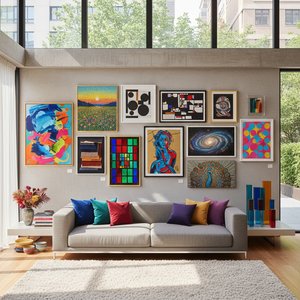
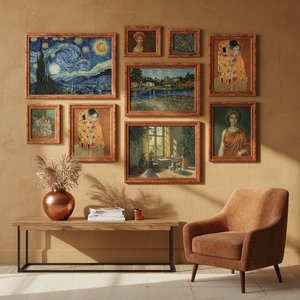
Bringing the calming influence of earth tones into your home is a surprisingly versatile endeavor. The key lies in layering textures and complementary colors to create a harmonious and inviting atmosphere. Start with a neutral base – warm beige or taupe walls, for example – and then introduce accents of brown, green, and terracotta through furniture, textiles, and artwork. Natural materials like wood, stone, and linen further enhance the earthy feel.
Don’t be afraid to experiment with different shades and undertones. A warm ochre throw blanket can add a touch of coziness to a living room, while olive green cushions might create a sense of tranquility in a bedroom. Artwork plays a crucial role – choose pieces that complement your existing palette and evoke the desired mood. Consider incorporating natural elements like plants and flowers to further enhance the connection to nature.
Beyond Aesthetics: The Connection Between Nature, Wellbeing & Earth-Inspired Art
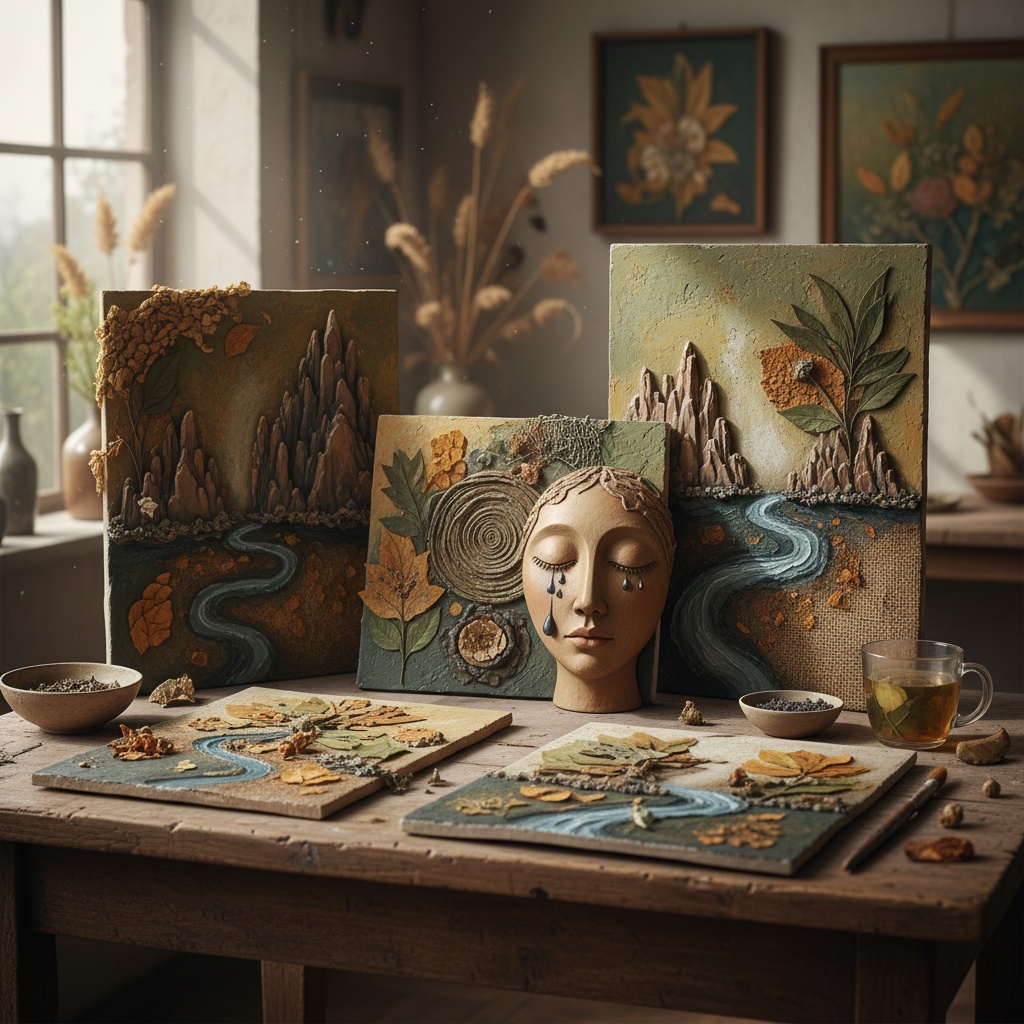
Ultimately, the enduring appeal of earthy tones lies in their ability to connect us to something larger than ourselves – the natural world. In an increasingly urbanized and disconnected society, this connection is more important than ever. Surrounding ourselves with colors that evoke feelings of stability, comfort, and tranquility can have a profound impact on our wellbeing.
Choosing artwork that embraces earthy palettes isn’t simply about aesthetics; it's about creating a sanctuary – a space where we can reconnect with nature, find solace, and nurture our inner selves. At OriginalUniqueArt, we offer a vast collection of handmade oil paintings and museum-quality prints featuring these grounding hues, allowing you to bring the beauty and tranquility of the natural world into your home. Explore our selection today and discover the transformative power of earth-inspired art – or commission a custom reproduction tailored to your unique vision.