Introduction
Imagine stepping into a room bathed in the warm glow of twilight, where surfaces seem to radiate an inner light. This is the essence of copper – a color that evokes feelings of comfort, nostalgia, and timeless beauty. For centuries, artists have been captivated by its rich, earthy tones, employing it not merely as pigment but as a vehicle for emotion, symbolism, and storytelling.
The allure of copper in art is deeply rooted in history. From the burnished shields of ancient warriors to the gilded halos of Renaissance masterpieces, this metal – and its corresponding hues – has signified wealth, power, and spiritual enlightenment. During the Dutch Golden Age, artists like Rembrandt masterfully used copper-infused glazes to create dramatic chiaroscuro effects, lending depth and realism to their portraits and biblical scenes. The Pre-Raphaelites embraced a similar palette, favoring warm, earthy tones that echoed a romanticized vision of the past. Even into the modern era, artists continued to explore the expressive potential of copper, using it to convey everything from intimate emotions to grand philosophical ideas.
But why do these artworks continue to resonate with us today? Beyond their technical brilliance, they offer a glimpse into the human condition – our hopes, fears, and enduring search for meaning. The subtle warmth of copper can evoke feelings of intimacy and vulnerability, while its richness suggests stability and permanence. These paintings aren’t simply beautiful objects; they are windows into different worlds, offering profound insights into the cultures and beliefs that shaped them.
In this collection, we will embark on a journey through ten iconic paintings where copper tones take center stage. Prepare to be captivated by masterpieces from across time and artistic movements – each one a testament to the enduring power of color and the human spirit. From the delicate brushstrokes of Impressionism to the bold compositions of modern art, these works demonstrate the versatility and emotional depth that copper can bring to the canvas.
Three Musicians - Pablo Picasso
 Three Musicians - Pablo Picasso
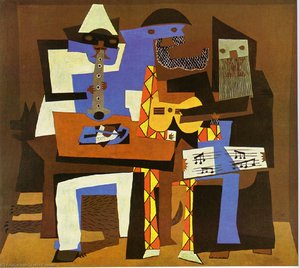
Pablo Picasso’s Three Musicians (1921) isn't merely a painting; it’s a vibrant echo of a post-war yearning for harmony, rendered in the captivating language of Synthetic Cubism. Its inclusion among the Top 10 Famous Paintings Dominated by 'Copper' Tones speaks to its enduring power – a testament to how color can embody both intellectual rigor and profound emotional resonance.
Following the fragmentation of Analytical Cubism, Picasso embraced bolder forms and a richer palette in this work. The figures of Harlequin, Pierrot, and a monk, inspired by the Commedia dell'arte tradition, are constructed from geometric shapes bathed in earthy browns, ochres, and subtle copper hues. These aren’t portraits in the traditional sense; they are archetypes, distilled into their essential forms.
The painting’s muted yet compelling color scheme evokes a sense of intimacy and nostalgia, while its flattened perspective challenges conventional notions of space and representation. It's believed Picasso subtly incorporated portraits of his friends within the composition, adding another layer of personal meaning. Three Musicians invites us to contemplate the nature of creativity itself – the interplay between order and chaos, fragmentation and unity.
In a modern setting, this artwork’s essence can inspire spaces that celebrate artistic expression and intellectual curiosity. Its warm tones create an inviting atmosphere, while its geometric forms add a touch of sophistication. Consider pairing it with contemporary furniture in complementary colors to foster a timeless conversation between culture and decor – a reminder that beauty often lies in the unexpected harmony of contrasting elements.
Harmony in Red - Henri Matisse
 Harmony in Red - Henri Matisse
Imagine a sun-drenched room, filled with the scent of ripe oranges and the quiet hum of domesticity. Henri Matisse’s Harmony in Red (1908) isn't simply a depiction of an interior; it’s a carefully orchestrated symphony of color designed to evoke a specific emotional resonance – a warmth that lingers long after you’ve turned away.
This pivotal work, falling squarely within the Post-Impressionist movement and foreshadowing Matisse’s groundbreaking Fauvism, prioritizes expressive power over realistic representation. The canvas pulsates with shades of red, from deep magenta to rose, contrasted by cool greens and blues. These aren't merely colors; they are sensations, meticulously applied in small strokes that optically blend to create a shimmering texture.
The composition depicts a woman peeling an orange, a simple act elevated to the level of art through Matisse’s masterful use of pattern and form. The flattened perspective and deliberately simplified shapes challenge conventional notions of space, inviting us to experience the scene not as a window into another world but as a carefully constructed tableau.
In a modern setting, Harmony in Red can infuse a space with a sense of calm and vitality. Its warm tones create an inviting atmosphere, while its bold aesthetic choices spark conversation and inspire creativity. Consider pairing it with natural materials – wood, linen, or terracotta – to further enhance its earthy warmth and celebrate the beauty of everyday life.
The bedroom - Vincent Willem van Gogh
 The bedroom - Vincent Willem van Gogh
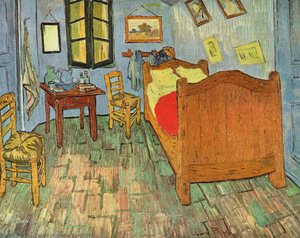
Step into a world of quiet contemplation with Vincent van Gogh’s The Bedroom (1889), a sanctuary rendered in shades of blue and ochre, subtly infused with copper tones. This iconic artwork transcends its subject matter – a simple room – to become a profoundly personal expression of peace sought amidst turmoil, securing its place among the Top 10 Famous Paintings Dominated by 'Copper' Tones.
Painted during his stay at Saint-Paul-de-Mausole asylum, this work isn’t merely *of* a bedroom; it *is* one – a carefully constructed refuge. Van Gogh’s signature impasto technique brings the wooden floorboards and walls to life with tactile energy, while swirling lines pulse with emotion. The closed door hints at isolation, yet the sparsely furnished space feels welcoming, bathed in a soft, melancholic light.
The contrasting colors—cool blues against warm yellows and reds—create a visual tension that mirrors Van Gogh’s internal conflicts. These aren't simply aesthetic choices; they are embodiments of his emotional state. The objects within the room – the bed representing rest, the chairs suggesting companionship – carry symbolic weight.
In modern interiors, The Bedroom inspires a desire for calm and authenticity. Its palette lends itself to creating serene spaces that prioritize comfort and introspection. Consider incorporating textured fabrics, natural wood tones, and soft lighting to evoke its peaceful atmosphere—a timeless reminder of the power of art to heal and inspire.
Snap the Whip - Winslow Homer
 Snap the Whip - Winslow Homer
Sunlight warming skin, the scent of grass, a chorus of youthful laughter – Winslow Homer’s Snap the Whip (1872) captures a fleeting moment of pure joy that resonates across generations. Its inclusion among the Top 10 Famous Paintings Dominated by 'Copper' Tones speaks to its enduring power—a testament to how color and composition can evoke profound nostalgia and celebrate the simple pleasures of life.
This vibrant scene, depicting boys engaged in a lively game of tug-of-war, isn’t merely a depiction of rural youth; it's a carefully constructed tableau that reflects a longing for a simpler time. Homer masterfully uses strong diagonal lines and earthy tones—greens, browns, and subtle copper hues—to draw the viewer into the action. The red schoolhouse in the background symbolizes community and education, anchoring the scene in a specific place and time.
The painting’s dynamic composition and realistic style evoke a sense of movement and vitality, while its warm light creates an inviting atmosphere. Snap the Whip reminds us of the importance of connection—to nature, to community, and to the carefree spirit of childhood.
In modern interiors, this artwork’s essence can inspire spaces that prioritize warmth, authenticity, and a sense of playful energy. Consider pairing it with natural materials – wood furniture, linen textiles, or earthy accents – to create a welcoming atmosphere that celebrates the beauty of rural life.
Sad young man in a train - Marcel Duchamp
 Sad young man in a train - Marcel Duchamp
Unveiling Marcel Duchamp’s Sad Young Man in a Train (1911) is to encounter a rare and haunting vision—a fragmented portrait that transcends mere representation. Its inclusion among the Top 10 Famous Paintings Dominated by 'Copper' Tones isn’t simply about color; it’s about capturing a profound sense of introspection and vulnerability, qualities that continue to resonate with audiences today.
This work exemplifies Duchamp’s masterful blend of Expressionism and Cubism. Bold, jagged lines and layered shapes create a dynamic surface that emphasizes psychological complexity. The limited earthy palette—browns, ochres, and dark tones—underscores the somber mood, while subtle highlights suggest fleeting moments of clarity.
More than just a depiction of a man on a train, this painting is an exploration of identity, alienation, and existential reflection. The fragmented composition symbolizes inner turmoil, inviting viewers to contemplate the complex layers of human emotion. It’s a work that challenges conventional portraiture and embraces subjective experience.
In modern interiors, Sad Young Man in a Train adds a touch of sophisticated melancholy and intellectual depth. Its haunting presence can evoke deep reflection, making it perfect for galleries or refined living spaces—a timeless statement piece that sparks conversation and inspires contemplation.
Terranuova Madonna - Raphael
 Terranuova Madonna - Raphael
Imagine a moment of quiet reverence—a gentle warmth radiating from a mother’s embrace, bathed in golden light. Raphael’s Terranuova Madonna (1505) isn't merely a painting; it’s an embodiment of maternal grace and spiritual serenity, securing its place among the Top 10 Famous Paintings Dominated by 'Copper' Tones.
This circular oil on panel exemplifies Raphael’s mastery within the High Renaissance. The composition is remarkably balanced and harmonious, drawing the viewer into a sacred scene of tenderness and devotion. He employs *sfumato*, creating soft transitions between light and shadow that lend the figures a remarkable sense of volume and realism.
The rich, warm colors—golds, reds, and blues—add to the overall sense of reverence and beauty. The Virgin Mary appears not as an aloof icon but as a compassionate mother, cradling the Christ Child with gentle affection. This painting reflects the era’s renewed interest in classical ideals of harmony and humanism.
In modern interiors, Terranuova Madonna can infuse a space with a sense of calm and spiritual depth. Its warm tones create an inviting atmosphere, while its timeless beauty evokes feelings of peace and tranquility—a reminder that art has the power to heal and inspire.
Woman's Head (also known as Jeanne Samary) - Pierre-Auguste Renoir
 Woman's Head (also known as Jeanne Samary) - Pierre-Auguste Renoir
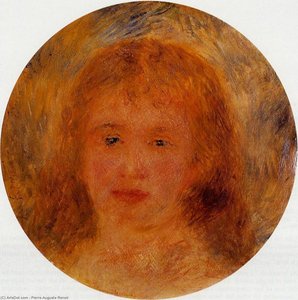
Imagine a quiet Parisian salon, bathed in golden afternoon light—a moment suspended in time. Pierre-Auguste Renoir’s Woman's Head (Jeanne Samary) (1877) isn’t merely a portrait; it’s an intimate study of beauty and fleeting emotion, securing its place among the Top 10 Famous Paintings Dominated by 'Copper' Tones.
Renoir masterfully employs loose brushstrokes and a vibrant color palette to create a soft, almost ethereal quality. The painting isn't about precise detail; it’s about capturing the *impression* of light and form—the delicate blush on Jeanne Samary’s cheeks, the shimmer in her auburn hair.
Samary, a prominent actress, is presented not as a performer but as a woman lost in contemplation. Her subtly melancholic expression invites speculation about her inner world, offering viewers an intimate glimpse behind the public persona. The blurred background draws all attention to her face, enhancing the sense of depth and focus.
In modern interiors, Woman's Head can infuse a space with a sense of elegance and grace. Its warm tones create an inviting atmosphere, while its timeless beauty evokes feelings of nostalgia and serenity—a reminder that art has the power to capture the essence of human emotion.
Saint Jerome - Leonardo da Vinci
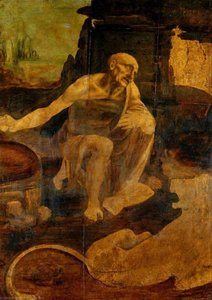 Saint Jerome - Leonardo da Vinci
To encounter Leonardo da Vinci’s Saint Jerome in the Wilderness (c. 1480–90) is to witness a rare glimpse into the mind of a genius—a poignant and psychologically complex portrait that secures its place among the Top 10 Famous Paintings Dominated by 'Copper' Tones.
This unfinished masterpiece, housed in the Pinacoteca Vaticana Museum, embodies the spiritual fervor of the Florentine Renaissance. Da Vinci’s signature *sfumato* technique imbues the figure with an ethereal glow and conveys a profound sense of melancholy. The warm, earthy tones—rich browns and subtle copper hues—create a captivating atmosphere.
Saint Jerome, depicted as an elderly ascetic before a stark stone wall, embodies solitude and contemplation. A distant landscape hints at his inner turmoil, while the lion symbolizes strength and divine providence. This painting isn’t merely a religious depiction; it's an exploration of human emotion—a testament to Da Vinci’s pioneering approach.
In modern interiors, Saint Jerome can infuse a space with a sense of quiet dignity and intellectual depth. Its haunting portrayal of penitence evokes feelings of serenity and contemplation—a timeless reminder of the power of art to inspire reflection.
Battle Cart with Mobile Scythes - Leonardo da Vinci
 Battle Cart with Mobile Scythes - Leonardo da Vinci
Imagine a workshop filled with sketches, calculations, and the restless energy of invention—a mind grappling with both beauty and destruction. Leonardo da Vinci’s Battle Cart with Mobile Scythes (1483) isn't merely a drawing; it’s a testament to his unparalleled curiosity and inventive genius, securing its place among the Top 10 Famous Paintings Dominated by 'Copper' Tones.
Commissioned during a period of political instability, this ink rendering embodies the spirit of the Early Renaissance. Da Vinci’s meticulous detail—particularly in the depiction of the rotating scythe blades—anticipates technologies centuries ahead of their time. The warm tones and subtle gradations of ink create an illusion of depth and movement.
More than just a military design, this cart represents Da Vinci’s belief in harnessing scientific principles to improve human endeavors. It's a visionary concept that foreshadowed the development of armored vehicles, demonstrating his profound understanding of future possibilities.
In modern interiors, Battle Cart with Mobile Scythes can infuse a space with a sense of intellectual curiosity and artistic ambition—a reminder that innovation often arises from the intersection of art and science.
The Trial by Fire of St. Francis before the Sultan - Fra Angelico
 The Trial by Fire of St. Francis before the Sultan - Fra Angelico
To gaze upon Fra Angelico’s The Trial by Fire of St. Francis before the Sultan (c. 1429) is to encounter a moment where faith confronts power—a testament to unwavering devotion that secures its place among the Top 10 Famous Paintings Dominated by 'Copper' Tones.
This intimate tempera on panel depicts St. Francis’s courageous challenge before Sultan Muhammad II, symbolizing spiritual strength against formidable authority. Fra Angelico masterfully captures this narrative through vibrant color and meticulous detail—the Sultan regally adorned in striking blue, his courtiers a kaleidoscope of worldly hues.
St. Francis, clad in humble brown robes, exudes piety as he gestures emphatically, conveying his solemn commitment to the trial by fire. The warm tones and subtle architectural details draw attention to the characters’ expressions, emphasizing the tension between belief and dominion. Symbolic flames underscore the scene's significance—a representation of purification and divine judgment.
In modern interiors, The Trial by Fire can infuse a space with a sense of quiet dignity and spiritual contemplation—a reminder that art has the power to inspire courage and reflection.
Conclusion
As the light fades on these ten masterpieces, we’re reminded that their enduring power lies not merely in their historical significance, but in their ability to stir something within us—a sense of wonder, a moment of quiet contemplation, or a profound connection to the human spirit. These paintings are not relics of the past; they are living presences, capable of transforming spaces and enriching our daily lives.
At OriginalUniqueArt.com, we believe that art should be accessible—a source of inspiration for all. We’re honored to partner with interior designers, architects, and collectors in bringing these timeless visions into hotels, villas, and refined interiors around the world. From custom collections tailored to your unique aesthetic to museum-quality reproductions and art mockups, we help you turn every project into an artistic statement.
Whether seeking a touch of Renaissance grace or the vibrant energy of Impressionism, our hand-painted oils and prints capture the essence of these iconic works. Explore the full collection—and discover how the warmth and beauty of copper tones can illuminate your world: full collection .